Loneliness has a way of creeping in quietly. It doesn’t always look like sitting alone in an empty room: sometimes it shows up at a crowded dinner table, in the middle of a text conversation, or during a meeting where you feel invisible. If you’ve been wondering whether microdosing might help you feel more connected to yourself and others, you’re not alone in that curiosity. An estimated 10 million US adults microdosed psychedelic substances like psilocybin, LSD, or MDMA in 2025, and many of them reported that social connection was a primary motivation. This article is for anyone exploring gentle practices to feel more connected, whether that means reconnecting with a partner, making new friends, or simply feeling less invisible in your own life. The path forward is quieter than you might expect, and that’s a good thing.
The Intersection of Microdosing and Social Connection
Most people associate loneliness with a lack of company, but researchers have increasingly recognized it as something more internal: a perceived gap between the social connection you want and the connection you actually experience. You can be surrounded by people and still feel profoundly alone. This distinction matters because it shifts the conversation from “just get out more” to something deeper about how your brain processes social information.
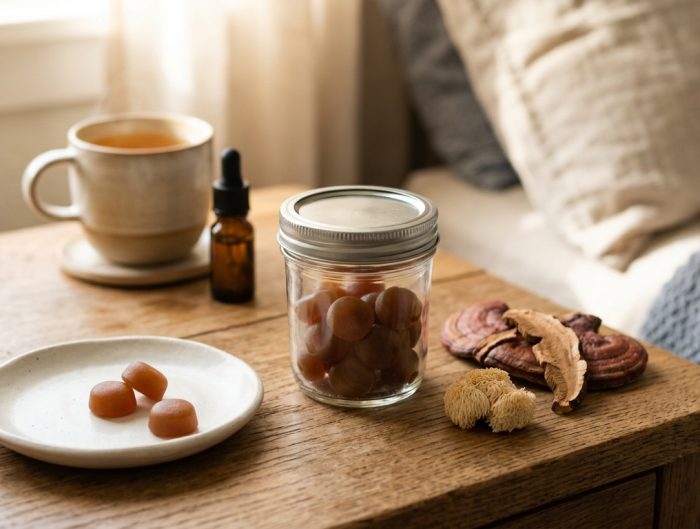
Microdosing, typically defined as taking roughly 5-10% of a full psychedelic dose (for psilocybin, that’s about 0.05-0.2 grams of dried mushrooms; for LSD, about 5-15 micrograms), operates at a sub-perceptual threshold. That means you shouldn’t feel “different” in any dramatic way. Think of it like the difference between drinking a full pot of coffee and having a few sips of green tea: you might notice a subtle shift in your baseline, but you’re still firmly yourself.
What makes this relevant to loneliness is that these sub-perceptual doses appear to influence the very brain systems involved in social bonding, emotional processing, and the fear responses that keep us isolated. The changes are quiet. They accumulate over weeks, not hours. And they work best when paired with intentional practices, which is exactly what we’ll cover throughout this piece.
Understanding the Neurological Impact on Empathy
Serotonin is often called the “feel-good” neurotransmitter, but that’s an oversimplification. The 5-HT2A receptor, which psilocybin and LSD primarily act on, plays a significant role in how we perceive and respond to social cues. When this receptor is gently stimulated at microdose levels, many people report a subtle increase in emotional sensitivity: not in an overwhelming way, but more like turning up the volume slightly on signals you’d normally miss.
Imagine being at a coffee shop and noticing the barista looks tired. On a typical day, you might register that information and move on. During a microdose cycle, you might feel a gentle pull of compassion, a small impulse to say something kind or simply make eye contact and smile. That’s not magic: it’s a slight shift in how your brain weighs social-emotional information.
Research into psilocybin’s effects on emotional processing suggests that even small doses may reduce activity in the amygdala, the brain region responsible for threat detection and fear responses. When the amygdala is less reactive, social situations feel less threatening. The person across from you stops being a potential source of judgment and starts being, well, just a person.
This doesn’t mean microdosing turns you into an empath overnight. The changes are more like a gentle hum of openness: a slightly lower barrier to noticing other people’s emotional states and a slightly higher willingness to respond to them. Over the course of a protocol lasting several weeks, these small shifts can compound into a meaningfully different relationship with social interaction.
Breaking the Cycle of Social Isolation and Fear
Loneliness tends to be self-reinforcing. The more isolated you feel, the more your brain starts interpreting neutral social signals as negative ones. A friend who doesn’t text back becomes proof that nobody cares. A coworker’s offhand comment becomes evidence that you don’t belong. This hypervigilance is your nervous system trying to protect you, but it ends up building higher walls.
Breaking this cycle usually requires some combination of shifting your internal state and changing your behavior. Therapy, exercise, and community involvement all help. Microdosing may offer an additional tool by gently lowering the volume on that hypervigilant alarm system.
People in our community at Healing Dose frequently describe this as feeling “less braced” in social situations. One person put it simply: “I stopped rehearsing conversations in my head before they happened.” That kind of shift, while subtle, can be the difference between accepting a social invitation and declining it, between making small talk and retreating to your phone.
The key word here is “gentle.” Nobody is suggesting that a microdose will dissolve years of social anxiety in a single morning. But if you’ve been stuck in a pattern where isolation feeds fear and fear feeds isolation, even a small disruption to that loop can create space for new choices. And new choices, repeated over time, become new patterns.
Protocols for Enhancing Interpersonal Openness
If you’re considering microdosing specifically to address feelings of disconnection, your protocol matters. The substance you choose, the dose you take, and the environment you put yourself in all influence whether the experience supports your social goals or works against them.
A protocol is simply a structured plan for how often and how much you take. The most commonly referenced ones include the Fadiman Protocol (one day on, two days off), the Stamets Stack (four days on, three days off), and intuitive microdosing (dosing only when you feel called to). None of these is objectively “best”: the right one depends on your body, your schedule, and your intentions.
For social connection specifically, consistency matters more than intensity. You’re not looking for a single powerful experience. You’re building a new baseline over weeks, creating the neurochemical conditions that make openness feel more natural and less effortful.
Selecting the Right Substance and Dosage for Socializing
Psilocybin and LSD are the two most commonly microdosed substances, and they have meaningfully different profiles when it comes to social settings.
Psilocybin microdoses (0.05-0.2g of dried mushrooms) tend to produce a warmer, more emotionally grounded experience. Many people describe feeling more present and heart-centered. The duration is typically 4-6 hours, which makes it well-suited to an afternoon gathering or an evening with friends.
LSD microdoses (5-15 micrograms) tend to feel more energizing and cognitively stimulating. Some people find this helpful for group settings where they need to be verbally engaged: dinner parties, networking events, or collaborative projects. The duration is longer, often 8-12 hours, so morning dosing is strongly recommended to avoid disrupting sleep.
There’s also growing interest in microdosing MDMA, though this is less well-studied and carries different safety considerations, particularly around serotonin depletion with repeated use. If MDMA interests you, spacing doses at least 4-6 weeks apart is a common harm-reduction guideline.
Here’s the honest truth: some days, a microdose just doesn’t seem to do much. You might feel slightly more alert or slightly more tired, and that’s about it. That’s normal. The cumulative effect over a full protocol cycle is what matters, not any single day’s experience. If you’re unsure where to start with dosing, Healing Dose offers resources specifically designed to help you find a starting range based on your individual sensitivity and goals.
The Importance of Set and Setting in Group Environments
“Set and setting” is a concept borrowed from full-dose psychedelic work, but it applies just as much to microdosing, especially when your goal is social connection.
“Set” refers to your mindset: your emotional state, your intentions, and your expectations going into a social situation. If you microdose on a morning when you’re already feeling anxious and then force yourself to attend a large party, you might find that the microdose amplifies your discomfort rather than easing it. Starting with lower-pressure social situations is wise.
“Setting” refers to the physical and social environment. A quiet walk with one friend is a very different container than a loud bar with strangers. During the early weeks of a microdose protocol, choosing settings where you feel relatively safe allows the subtle shifts in openness to emerge without being drowned out by environmental stress.
Some practical suggestions for early social microdosing:
- A one-on-one coffee date with someone you already trust
- A small group activity with a shared focus, like a cooking class or book club
- A nature walk with a friend, where conversation can flow naturally without pressure
- A volunteer activity where the focus is on a task rather than on performing socially
The goal isn’t to avoid challenging social situations forever. It’s to give yourself enough positive social experiences during your protocol that your nervous system starts updating its predictions about what happens when you connect with people.
Cultivating Self-Connection as a Foundation
Here’s something that often gets overlooked in conversations about microdosing and loneliness: the most important relationship to repair first is usually the one with yourself. Many people who feel chronically disconnected from others are also disconnected from their own emotions, needs, and inner life. Microdosing can support this inner reconnection, but only if you create the conditions for it.
Self-connection isn’t a vague spiritual concept. It’s the ability to notice what you’re feeling, understand why, and respond to yourself with some measure of kindness. If that sounds simple, try it right now: pause and ask yourself how you’re actually feeling. If the answer comes easily, great. If you draw a blank or default to “fine,” there’s work to do here.
Using Microdosing to Bridge Inner Loneliness
Inner loneliness, the feeling of being a stranger to yourself, often develops as a protective response. Maybe you learned early on that certain emotions weren’t welcome, so you stopped feeling them. Maybe you spent years performing a version of yourself for others and lost track of who you actually are. These patterns run deep, and they don’t dissolve quickly.
What microdosing can do, at its best, is create small windows of emotional access. You might notice a feeling you’d normally suppress: a pang of sadness while listening to music, a flash of anger during a phone call, a moment of unexpected tenderness toward yourself. These aren’t dramatic revelations. They’re more like finding a door in a wall you’d forgotten was there.
The critical step is what you do with those windows. This is where integration practices become essential. At Healing Dose, we emphasize journaling as the single most important companion practice to any microdosing protocol. Not elaborate journaling: even a few sentences after a microdose day can help you track patterns and hold onto insights that might otherwise slip away.
A simple journaling prompt for self-connection: “What did I notice today that I might normally have ignored?” Over weeks of entries, you’ll start to see themes emerge. Maybe you consistently suppress frustration. Maybe you notice longing for a particular kind of connection. These patterns are the raw material for genuine personal growth.
Mindfulness Practices to Enhance Introspection
Mindfulness and microdosing share a common mechanism: both encourage you to pay closer attention to your present-moment experience. When combined, they can amplify each other in useful ways.
You don’t need to become a meditation expert. Even five minutes of focused breathing on a microdose day can heighten your awareness of subtle internal states. The microdose may make it slightly easier to settle into stillness, and the stillness gives you space to notice what the microdose is doing.
A few practices that pair well with microdose days:
- Body scanning: lying down and slowly moving your attention from your feet to the top of your head, noticing areas of tension or ease. This builds the body awareness that helps you recognize emotional states before they become overwhelming.
- Walking meditation: taking a slow, deliberate walk while paying attention to each step, the feeling of air on your skin, the sounds around you. This is especially useful if sitting still feels agitating.
- Loving-kindness meditation: silently repeating phrases like “May I be at ease” or “May I feel connected” toward yourself and then extending them toward specific people in your life. On a microdose day, many people find this practice feels less forced and more genuine.
The point of these practices isn’t to achieve some blissful state. It’s to build the muscle of self-awareness so that when you do enter social situations, you’re arriving as someone who knows what they feel and what they need. That self-knowledge is the foundation of authentic connection.
Practical Social Exercises During a Microdose Cycle
Knowing that microdosing may support social openness is one thing. Actually putting yourself in situations where connection can happen is another. This section is about the doing: specific, concrete practices you can try during your microdose protocol to strengthen your social muscles.
Think of these exercises the way you’d think about physical therapy after an injury. The microdose may reduce some of the inflammation (in this case, the fear and hypervigilance around social contact), but you still need to move the joint. Social skills are skills, and like all skills, they improve with practice.
Active Listening and Presence in Conversations
Most of us are terrible listeners. Not because we’re selfish, but because our minds are incredibly busy. While someone is talking, we’re planning our response, judging what they said, worrying about how we’re coming across, or simply drifting to our to-do list. Real listening, the kind that makes the other person feel genuinely seen, is rare.
Microdosing can help here by quieting some of that mental chatter. Many people report that on microdose days, they find it easier to stay with what someone is saying rather than jumping ahead to their own thoughts. But you can also practice this deliberately.
Try this during your next conversation on a microdose day: when the other person is speaking, resist the urge to formulate your response. Just listen. Notice their facial expressions, their tone of voice, the pauses between their words. When they finish, take a breath before you respond. You might be surprised by what comes out of your mouth when you haven’t been rehearsing.
Another exercise: after a conversation, write down one thing the other person said that surprised you or that you want to remember. This simple act of reflection trains your brain to treat conversations as experiences worth paying attention to, rather than social performances to survive.
Over time, people around you will notice the difference. When someone feels truly heard, they open up more. And when they open up more, you feel more connected. It’s a positive feedback loop that starts with you choosing to be present.
Overcoming Rejection Sensitivity
Rejection sensitivity is the tendency to anxiously expect, readily perceive, and intensely react to rejection. If you’ve ever spent hours agonizing over a text that was “read” but not replied to, or felt devastated by a casual comment that probably wasn’t even about you, you know this feeling.
This sensitivity often has roots in early experiences of rejection or abandonment. It’s deeply wired, and it’s one of the biggest barriers to forming new connections. After all, if every social interaction carries the risk of devastating rejection, why bother?
Microdosing won’t erase rejection sensitivity, but it may soften the intensity of the response. Some people describe it as having a slightly longer pause between the trigger (perceived rejection) and the emotional reaction (spiraling into shame or anger). That pause is incredibly valuable because it’s where you can make a different choice.
Practical steps for working with rejection sensitivity during a microdose cycle:
- Name it when it happens. “I’m feeling rejection sensitivity right now” is a surprisingly powerful statement. It separates you from the feeling just enough to observe it rather than being consumed by it.
- Reality-test the story. Ask yourself: “What’s the most likely explanation for this person’s behavior?” Usually, the answer is something mundane: they’re busy, they’re distracted, they forgot.
- Take the risk anyway. Send the text. Make the invitation. Show up at the event. The microdose may give you just enough of a buffer to tolerate the uncertainty.
- Record the outcome. In your journal, note what actually happened versus what you feared would happen. Over weeks, this creates a concrete record that challenges the rejection narrative.
This isn’t about becoming bulletproof. It’s about gradually teaching your nervous system that social risk doesn’t always lead to social pain.
Integration and Long-Term Community Building
A microdose protocol typically lasts 4-8 weeks, with breaks built in. But the social changes you’re working toward need to outlast the protocol. Integration, the process of translating temporary experiences into lasting behavioral change, is where the real work happens.
Think of the microdose cycle as a period of heightened plasticity: your brain is slightly more flexible, slightly more willing to form new associations. The habits and connections you build during this window have a better chance of sticking. But they still require effort and repetition.
Translating Sub-Perceptual Insights into Social Habits
“Sub-perceptual” means below the threshold of conscious awareness, and this is where microdosing gets tricky. The insights you gain aren’t always obvious. You might not have a clear “aha” moment. Instead, you might notice that you’ve been calling your sister more often, or that you lingered at a party instead of leaving early, or that you felt genuinely happy for a friend’s success instead of comparing yourself to them.
These quiet changes are easy to miss if you’re not paying attention. That’s why tracking matters so much. A weekly review of your journal entries can reveal patterns you wouldn’t notice day to day. Ask yourself:
- Am I initiating social contact more or less than before the protocol?
- How do I feel after social interactions compared to a month ago?
- Have I taken any social risks I would have avoided previously?
- What’s my internal dialogue like when I’m alone?
The answers to these questions become your roadmap for what to maintain after the protocol ends. If you notice that you’ve been reaching out to a particular friend more often, make that a deliberate habit. If you’ve started attending a weekly class, commit to continuing it. The microdose created the opening; your choices determine whether it stays open.
Finding Like-Minded Support Networks
One of the most common pieces of advice for lonely people is “join a group,” and while that’s not wrong, it’s incomplete. The type of group matters enormously. Forcing yourself into a room full of strangers doing an activity you don’t care about is unlikely to produce meaningful connection.
Look for communities organized around something you genuinely value. If you’re interested in microdosing, that itself can be a starting point. Online forums, local integration circles, and psychedelic societies exist in many cities and offer a space where you can discuss your experiences openly without judgment.
Some qualities to look for in a support network:
- Small enough that you can learn people’s names and be recognized
- Focused on sharing experiences rather than giving advice
- Welcoming of newcomers without being pushy
- Meeting regularly enough to build continuity
If in-person groups feel too intimidating at first, online communities can serve as a bridge. Many people find it easier to be vulnerable in writing before they’re ready to be vulnerable face-to-face. The Healing Dose community, for example, includes people at various stages of their microdosing journey who understand the specific kind of loneliness that comes with exploring something most of your existing friends might not relate to.
The goal over time is to build a web of connection that doesn’t depend on any single substance or protocol. Microdosing is a tool. Community is the structure. And you are the one who decides to show up.
Safety, Ethics, and Sustainable Connection
No honest conversation about microdosing and loneliness would be complete without addressing the practical and ethical dimensions of this practice.
First, the legal reality: psilocybin and LSD remain controlled substances in most jurisdictions. While decriminalization efforts are expanding in places like Oregon, Colorado, and several cities across the US and internationally, possessing these substances still carries legal risk in most areas. Being informed about your local laws is your responsibility, and it’s a responsibility worth taking seriously.
Second, microdosing is not appropriate for everyone. People with a personal or family history of psychotic disorders, bipolar disorder, or certain other mental health conditions should approach with extreme caution and ideally consult a knowledgeable healthcare provider. If you’re taking SSRIs or other serotonergic medications, there are potential interactions that need to be understood before combining them with psychedelic substances.
Third, there’s an ethical dimension to using substances as social tools. Microdosing in social situations without others’ knowledge raises questions about authenticity and consent. You’re not doing anything to anyone else, but it’s worth reflecting on whether you’re comfortable with the dynamic. Many people in our community choose to be open about their microdosing practice with close friends, which itself becomes an act of vulnerability and connection.
The sustainability question is perhaps the most important one. If you find that you can only feel connected to others while microdosing, that’s a signal to examine, not a sign that you need to microdose forever. The purpose of a protocol is to open doors. Walking through them, and staying on the other side, is work that happens with or without a substance.
Some people complete one or two microdose cycles and find that the social habits they built during that time sustain themselves naturally. Others return to a protocol periodically, perhaps once or twice a year, as a kind of recalibration. There’s no single right approach, and anyone who tells you otherwise is selling something.
What we encourage at Healing Dose is a reflective, safety-first approach. Track your experiences honestly, including the days when nothing happens and the days when you feel worse. Talk to people you trust. Take breaks. And remember that the most powerful antidote to loneliness isn’t any substance: it’s the repeated, courageous choice to let yourself be known by another person.
If you’re ready to explore microdosing thoughtfully and want help identifying a starting range that fits your body and your goals, our short quiz can point you in the right direction. Take the quiz and begin at whatever pace feels right for you. There’s no rush, and there’s no wrong place to start.

You might also like