Two substances sit at the center of the modern psychedelic conversation, and people often wonder how they actually differ. Psilocybin, the active compound in certain species of mushrooms, and LSD, a synthetic molecule first created in a laboratory in 1938, share a surprising amount of common ground at the molecular level. Yet the experiences they produce can feel remarkably distinct. If you’ve been curious about how psilocybin compares to LSD in terms of duration, subjective quality, safety, and therapeutic promise, you’re in the right place. Understanding the real differences between these two compounds can help you make more informed, thoughtful decisions, whether you’re exploring clinical research, considering a microdosing practice, or simply trying to satisfy a genuine curiosity. We’ll walk through the chemistry, the timeline of each experience, the emotional and perceptual qualities, the growing body of clinical evidence, and the practical safety considerations that matter most. Take your time with this one: there’s a lot of nuance here, and that nuance is exactly what makes this comparison worth doing carefully.
Chemical Origins and Biological Mechanisms
Before comparing how psilocybin and LSD feel or how long they last, it helps to understand where each substance comes from and what happens once it enters your body. These two compounds arrive from very different origins, yet they converge on surprisingly similar biological pathways in the brain.
Natural Psilocybin vs. Synthetic LSD
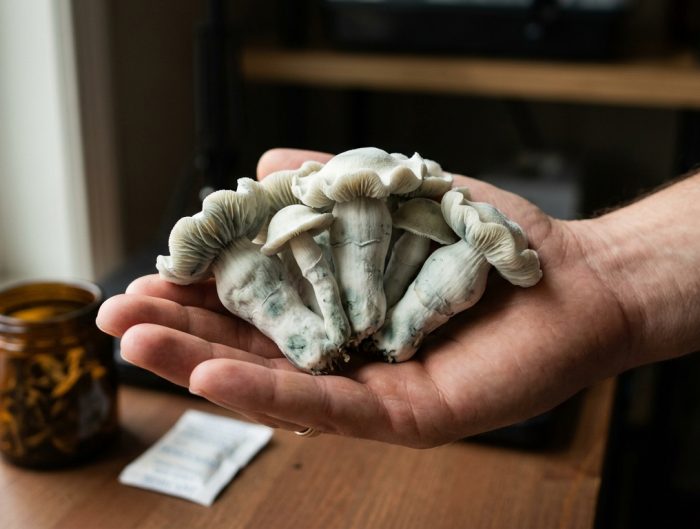
Psilocybin is a naturally occurring tryptamine found in over 200 species of fungi, most commonly in the Psilocybe genus. Humans have consumed psilocybin-containing mushrooms for thousands of years, with archaeological evidence suggesting ceremonial use in Mesoamerican cultures dating back at least 3,000 years. The compound itself is actually a prodrug: your body converts psilocybin into psilocin through a process called dephosphorylation, and psilocin is the molecule that produces the psychoactive experience.
LSD, or lysergic acid diethylamide, has no natural analog that humans consume directly. Swiss chemist Albert Hofmann first synthesized it from ergotamine, a compound derived from the ergot fungus that grows on rye and other grains. Hofmann famously discovered its psychoactive properties by accident in 1943, and the substance went on to play a significant role in mid-20th-century psychiatric research before being classified as a Schedule I substance in the United States in 1970.
The distinction between natural and synthetic matters less than you might think from a pharmacological standpoint. A molecule is a molecule, regardless of whether it was produced by a mushroom or assembled in a lab. What does matter is the difference in molecular structure, because that structure determines how each compound interacts with your brain. Psilocin is structurally very similar to serotonin, the neurotransmitter most associated with mood regulation. LSD is a more complex molecule with an ergoline backbone, and its shape allows it to bind to receptors in ways that psilocin cannot.
Serotonin Receptor Interaction
Both psilocybin (via psilocin) and LSD produce their primary psychoactive effects by binding to serotonin 5-HT2A receptors in the brain. This is the key receptor associated with altered perception, changes in thought patterns, and the subjective qualities people describe during psychedelic experiences. When either compound activates this receptor, it disrupts the brain’s default mode network, a collection of interconnected regions that maintain your ordinary sense of self and routine patterns of thinking.
Here’s where things diverge. LSD doesn’t just bind to 5-HT2A receptors: it also has significant affinity for dopamine D2 receptors and several other serotonin receptor subtypes, including 5-HT2C and 5-HT1A. This broader receptor profile likely explains why LSD tends to produce a more stimulating, energized experience compared to psilocybin. Research published in 2024 using advanced cryo-electron microscopy showed that LSD essentially gets “trapped” inside the 5-HT2A receptor because a portion of the receptor folds over the molecule like a lid, holding it in place for hours. Psilocin, being a smaller and simpler molecule, doesn’t trigger this same lid-closing mechanism, which is one reason its effects resolve much faster.
Think of it like two different keys fitting into the same lock. Both keys turn the mechanism, but one key gets stuck and keeps the lock engaged far longer than the other. This isn’t just an abstract detail: it directly shapes the duration, intensity, and character of each experience, which we’ll cover in the next section.
Duration and Potency Profiles
One of the most practical differences between psilocybin and LSD is simply how long they last. This single factor influences everything from how you plan your day to how psychologically demanding the experience might be.
The 12-Hour LSD Experience
A standard dose of LSD, typically between 100 and 200 micrograms, produces effects that last approximately 8 to 12 hours. Some people report residual alertness or mild perceptual shifts for up to 14 hours after ingestion. The onset usually begins within 30 to 60 minutes, with effects gradually building over the first two hours before reaching a plateau that can last four to six hours. The comedown is slow and gradual, often leaving people feeling mentally active but physically tired.
That extended duration is one of the defining characteristics of LSD, and it’s worth considering carefully. Twelve hours is a significant commitment. If you’re in a positive headspace and a comfortable environment, those hours can feel expansive and rich. But if anxiety or discomfort arises, the length of the experience can feel overwhelming, particularly for someone who hasn’t prepared for it. There’s no reliable way to shorten an LSD experience once it has begun, though benzodiazepines are sometimes used in clinical settings to reduce acute distress.
The potency of LSD is also notable. Active doses are measured in micrograms, meaning millionths of a gram. For comparison, a typical dose of most pharmaceutical medications is measured in milligrams, which are a thousand times larger. LSD is one of the most potent psychoactive substances known, which means precise dosing matters enormously. The difference between 75 micrograms and 200 micrograms can be the difference between a mild, manageable experience and something profoundly intense.
The 6-Hour Psilocybin Journey
Psilocybin experiences typically last between four and six hours, with onset occurring 20 to 45 minutes after ingestion. The peak usually arrives around 60 to 90 minutes in and lasts roughly two to three hours before effects begin to taper. Most people feel essentially back to baseline within six hours, though a sense of emotional openness or reflective calm can linger for the rest of the day.
This shorter duration is one reason many people, especially those newer to psychedelic experiences, feel more comfortable starting with psilocybin. Six hours feels more contained and manageable than twelve. If something uncomfortable arises, you know it will resolve relatively soon. That psychological safety net matters, even if the intensity of the peak experience can be just as strong as LSD at equivalent doses.
Dosing psilocybin is measured in milligrams of pure psilocybin or, more commonly, in grams of dried mushroom material. A moderate dose of dried Psilocybe cubensis mushrooms is generally considered to be around 2 to 3.5 grams, though potency varies significantly between species, growing conditions, and even individual mushrooms within the same batch. This natural variability is something to keep in mind: two grams from one batch might feel quite different from two grams of another. Clinical trials typically use synthetic psilocybin measured in precise milligram doses (often 25 mg for a full session) to eliminate this variability.
For anyone exploring microdosing, the shorter duration of psilocybin also means that sub-perceptual doses tend to clear your system faster, which some people prefer for integrating the practice into a regular workday. At Healing Dose, we often hear from readers who appreciate this shorter window because it gives them more control over their daily routine.
Contrasting the Subjective Effects
Numbers and receptor profiles only tell part of the story. What people really want to know is: how do these two substances actually feel different? The answer is genuinely subjective, and individual experiences vary widely, but there are consistent patterns that show up across thousands of self-reports and clinical observations.
Visual and Sensory Distortions
Both psilocybin and LSD produce visual changes, but the character of those changes tends to differ. LSD is often described as producing sharper, more geometric, and more structured visual distortions. Colors may appear intensely saturated, patterns might seem to breathe or ripple, and surfaces can take on a crystalline or fractal quality. Many people describe LSD visuals as having a “digital” or “electric” feel, with precise edges and vivid detail.
Psilocybin visuals tend to be described as warmer, more organic, and more flowing. Colors may shift in softer ways, and closed-eye imagery often features natural forms: flowing water, roots, fungi, landscapes. The visual distortions can feel less imposed and more like a gentle shifting of how you perceive things that are already there. Some people describe it as the world looking “alive” in a way that feels ancient or primal rather than technological.
These descriptions are generalizations, and your own experience might not match them at all. Set, setting, dose, and individual neurobiology all play enormous roles. Someone who takes psilocybin in a brightly lit room full of geometric art might have very “LSD-like” visuals, and someone who takes LSD in a forest might have very organic, flowing perceptions. The substance matters, but context matters just as much.
Both compounds can also produce synesthesia, where sensory channels blend together: you might “see” music or “feel” colors. This tends to be more commonly reported with LSD, possibly because of its broader receptor activity, but it can occur with either substance.
Emotional vs. Analytical Mindsets
This is where many people notice the biggest difference. LSD is frequently described as producing a more analytical, outward-focused, and cognitively stimulating state. People often report feeling mentally sharp, curious, and engaged with ideas during an LSD experience. Thoughts may come rapidly, and there’s often a sense of wanting to understand or figure things out. Some describe it as their mind operating at a higher speed, making connections between concepts that wouldn’t normally seem related.
Psilocybin, by contrast, tends to produce a more emotional, inward-focused, and contemplative state. People frequently describe feeling deeply connected to their emotions, sometimes encountering grief, gratitude, love, or sadness in ways that feel raw and unfiltered. There’s often less of a desire to analyze and more of a pull toward simply feeling and being present with whatever arises. This emotional depth is one reason psilocybin has shown such promise in clinical research for depression and end-of-life anxiety: it seems to help people access and process emotions that they might normally keep at a distance.
Neither of these tendencies is absolute. Plenty of people have deeply emotional experiences on LSD and highly analytical ones on psilocybin. But the general pattern is consistent enough that researchers and experienced practitioners regularly note it. If you’re someone who tends to intellectualize your feelings, psilocybin might gently push you past that defense. If you’re someone who gets lost in emotion and wants more cognitive clarity, LSD might offer a different kind of space.
Therapeutic Potential and Clinical Research
The past decade has seen an extraordinary resurgence of clinical interest in both psilocybin and LSD, after decades of research being effectively frozen by prohibition. As of 2026, the research landscape is more active than it has been since the 1960s, with hundreds of clinical trials underway worldwide.
Applications for Depression and Anxiety
Psilocybin has received the most clinical attention of any psychedelic compound. The FDA granted psilocybin “Breakthrough Therapy” designation for treatment-resistant depression in 2018 and for major depressive disorder in 2019, signaling that the agency considered it a potentially significant advance over existing approaches. Large-scale Phase III trials have been completed or are nearing completion as of 2026, with results generally showing that one or two guided psilocybin sessions, combined with psychotherapy, can produce significant reductions in depression scores that persist for weeks or months.
Research at Johns Hopkins, NYU, and Imperial College London has also demonstrated that psilocybin-assisted therapy can reduce anxiety and existential distress in people facing terminal illness. The emotional openness that psilocybin tends to produce seems particularly well-suited to this kind of therapeutic work, helping people confront fear and grief in a supported environment.
LSD research has been slower to ramp up, partly because of its longer duration (which makes clinical sessions more logistically demanding) and partly because of its stronger cultural stigma. But meaningful work is happening. The University of Basel in Switzerland has published studies showing that LSD-assisted therapy can reduce anxiety in people with life-threatening illness, and several trials are examining its potential for cluster headaches, alcohol use disorder, and depression. A 2025 meta-analysis found that both psilocybin and LSD produced comparable reductions in depression and anxiety scores, though psilocybin had a larger evidence base.
It’s worth being honest about the limitations here. These studies are promising, but many have small sample sizes, and the field is still working out optimal dosing protocols, therapist training standards, and long-term follow-up procedures. We’re not at the point where anyone should consider psychedelics a reliable replacement for established mental health approaches.
Microdosing Trends and Efficacy
Microdosing, the practice of taking sub-perceptual doses of a psychedelic substance on a regular schedule, has become increasingly popular since around 2015. Both psilocybin and LSD are commonly used for microdosing, though the protocols differ.
A typical psilocybin microdose ranges from 50 to 200 milligrams of dried mushroom material (roughly 0.05 to 0.2 grams), taken every three days or on a similar schedule. A typical LSD microdose ranges from 5 to 20 micrograms, usually taken on a similar rotating schedule. The goal in both cases is to stay below the perceptual threshold: you shouldn’t feel noticeably altered. Think of it less like a volume knob turned up and more like a subtle shift in baseline, similar to how a good night’s sleep can make everything feel slightly clearer without any single dramatic change.
The scientific evidence for microdosing remains mixed. Several large observational studies, including a 2022 study published in Nature, found that microdosers reported improvements in mood, focus, and creativity compared to non-microdosers, but placebo-controlled trials have produced less consistent findings. A 2023 randomized controlled trial from Imperial College London found that LSD microdoses did not outperform placebo on measures of well-being or cognitive performance, though participants in the active group did report greater subjective improvements.
This doesn’t mean microdosing is useless: it means we don’t fully understand the mechanisms yet, and expectation likely plays a significant role. At Healing Dose, we encourage people to approach microdosing as an experiment with themselves rather than a guaranteed solution. Keeping a journal, tracking your mood and energy honestly, and being willing to acknowledge days where nothing seems different are all part of a responsible practice.
Some people find psilocybin microdoses feel warmer and more grounding, while LSD microdoses feel more energizing and focus-enhancing. Others notice no meaningful difference. Your own neurochemistry, sensitivity, and daily context will shape what works for you. If you’re curious about finding a starting point, that’s exactly the kind of thing that benefits from a structured, personalized approach rather than guesswork.
Safety, Risks, and Legal Status
No honest comparison of psilocybin and LSD would be complete without a frank discussion of safety. Both substances are physiologically among the safest psychoactive compounds studied, but that doesn’t mean they’re without risk.
Physical Safety and Toxicity
From a purely physical standpoint, both psilocybin and LSD have remarkably wide safety margins. The lethal dose of psilocybin in humans has never been established through direct observation because it is so high that no one has ever come close to reaching it through normal consumption. Estimates based on animal studies suggest you would need to consume hundreds of times a typical dose, which is practically impossible with dried mushrooms. LSD’s safety margin is similarly wide: there are no confirmed deaths from LSD toxicity alone in the medical literature, though there have been deaths from accidents or dangerous behavior while under its influence.
Neither substance produces physical dependence. You won’t experience withdrawal if you stop using either one. Both compounds also produce rapid tolerance, meaning that taking the same dose on consecutive days produces significantly diminished effects, which naturally discourages compulsive use patterns.
The primary physical risks are indirect:
- Elevated heart rate and blood pressure, which can be concerning for people with cardiovascular conditions
- Nausea, particularly with psilocybin mushrooms (the mushroom material itself can be hard on the stomach)
- Impaired coordination and judgment, which creates risk if you’re in an unsafe physical environment
- Potential dangerous interactions with certain medications, particularly lithium and tramadol, which have been associated with seizures when combined with psychedelics
If you’re taking any psychiatric medication, especially MAOIs, SSRIs, or lithium, you should research interactions thoroughly and consult a healthcare provider before considering any psychedelic substance.
Psychological Contraindications
The more significant risks with both compounds are psychological. Psychedelics can produce intensely challenging experiences: overwhelming fear, confusion, paranoia, or a sense of losing control. These difficult experiences are more likely at higher doses, in unfamiliar or uncomfortable settings, or when someone is already in a state of significant psychological distress.
People with a personal or family history of psychotic disorders, such as schizophrenia or bipolar disorder with psychotic features, face a genuine risk of triggering a psychotic episode. This is not a theoretical concern: it is documented in clinical literature and is a standard exclusion criterion in every major psychedelic clinical trial. If psychosis runs in your family, this is a serious factor to weigh.
HPPD, or hallucinogen persisting perception disorder, is a rare but real condition in which visual disturbances persist long after the substance has left your body. It’s more commonly associated with LSD than psilocybin, though it can occur with either. Symptoms might include visual snow, trailing afterimages, or halos around objects. For most people who develop it, symptoms are mild and gradually resolve, but for a small number, it can be persistent and distressing.
Regarding legal status: as of 2026, psilocybin has been decriminalized in several U.S. cities and states, and Oregon’s regulated psilocybin services program (Measure 109) has been operational since 2023. Colorado followed with its own regulated access framework. Australia approved psilocybin for clinical use in treatment-resistant depression in 2023. LSD remains a Schedule I substance in the United States and most countries, with fewer decriminalization efforts focused on it specifically. Several countries, including the Netherlands, allow psilocybin-containing truffles to be sold legally, creating a somewhat unique access point for psilocybin that has no equivalent for LSD.
The legal landscape is shifting rapidly, and what’s true in 2026 may look different by 2028. Always check your local laws before making any decisions.
Choosing Between Psilocybin and LSD
If you’ve read this far, you probably have a clearer sense of how these two substances compare. But clarity about the facts doesn’t always translate into clarity about what’s right for you, and that’s okay. Here are some honest considerations that might help.
Psilocybin tends to be a more approachable starting point for most people. Its shorter duration means less time commitment and a quicker return to baseline if things get uncomfortable. Its emotional, inward-focused quality can feel more intuitive and less mentally demanding. The natural origin of mushrooms also feels more accessible to many people, and the expanding legal frameworks around psilocybin make it easier to explore in supported, regulated settings.
LSD might appeal to someone who values longer, more immersive experiences, or who is drawn to the more cognitive and analytical quality of its effects. Some people find that the extended duration allows for deeper exploration of ideas or creative projects. The precise dosing possible with LSD (since it’s a single synthetic compound) can also be an advantage for those who want consistency.
A few practical questions to ask yourself:
- How much time can you comfortably dedicate? If twelve hours feels daunting, psilocybin’s six-hour window might be a better fit.
- What kind of inner work are you drawn to? Emotional processing and self-reflection tend to align with psilocybin. Intellectual exploration and creative thinking often align with LSD.
- What’s your comfort level with uncertainty? Psilocybin mushroom doses can vary in potency, which requires comfort with some unpredictability. LSD doses, when sourced reliably, tend to be more consistent.
- What’s legal and accessible where you live? This practical consideration matters and shouldn’t be ignored.
Neither substance is inherently “better” than the other. They’re different tools with different qualities, and the right choice depends entirely on your goals, your context, and your personal constitution. Some people try both over time and develop a clear preference. Others find value in each for different purposes.
Whatever you decide, preparation matters more than the substance itself. A comfortable, safe environment. A trusted person nearby if you’re exploring higher doses. A clear intention, even if it’s as simple as “I want to be open to whatever comes up.” And just as importantly, integration afterward: taking time to reflect on what you experienced, writing about it, sitting with it, and letting it inform how you move through your daily life. At Healing Dose, we believe that integration is where the real value lives, not in the experience itself but in what you do with it afterward.
If you’re considering microdosing as a gentler entry point, finding the right starting dose based on your goals and sensitivity can make a real difference. Our microdose quiz can help you identify a thoughtful starting range at your own pace.
The most important thing is to move slowly, stay curious, and be honest with yourself about what you’re experiencing. There’s no rush here. The substances aren’t going anywhere, and neither is your capacity for self-understanding. Give yourself permission to take exactly the time you need.

You might also like