If you’re considering psychedelic-assisted therapy for depression, anxiety, or another mental health challenge, you’ve probably found yourself weighing psilocybin vs ketamine. Both substances have generated enormous interest in psychiatric research over the past decade, and both show real promise for people who haven’t responded well to conventional medications. But they work differently in the brain, feel different during a session, carry different legal considerations, and suit different people for different reasons.
Choosing between them isn’t like picking between two brands of the same product. It’s more like deciding between two entirely different approaches to the same problem. One is a classical psychedelic with roots in indigenous traditions. The other is a dissociative anesthetic that’s been used in hospitals since the 1960s. Understanding how each one works, what a session actually feels like, and what the research says about long-term outcomes will help you make a more informed, confident decision. And if you’re feeling uncertain right now, that’s completely normal. Most people are. Let’s walk through this together.
Understanding Psilocybin and Ketamine Mechanisms
Before you can meaningfully compare these two substances, it helps to understand what’s actually happening in your brain during each experience. Psilocybin and ketamine affect different neurotransmitter systems, produce different subjective states, and appear to promote psychological change through distinct pathways. Neither is “better” in an absolute sense. They’re different tools, and knowing how each one works gives you a much clearer picture of which might be more appropriate for your situation.
The neuroscience here has advanced significantly. Functional MRI studies, receptor-binding analyses, and large-scale clinical trials have given us a much richer understanding of both substances than we had even five years ago. You don’t need a PhD in pharmacology to follow along, but a basic grasp of the mechanisms will make everything else in this article click into place.
Psilocybin: Serotonin Receptors and Neuroplasticity
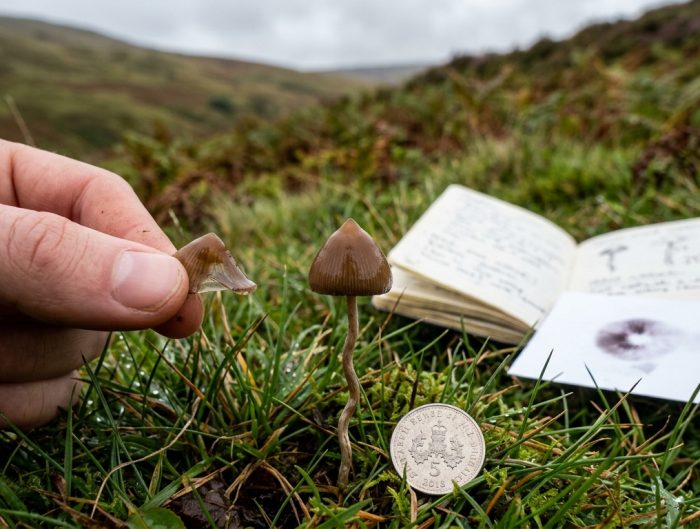
Psilocybin is a naturally occurring compound found in over 200 species of mushrooms. Once ingested, your body converts it into psilocin, which is the active molecule that crosses the blood-brain barrier. Psilocin primarily binds to serotonin 5-HT2A receptors, which are concentrated in the prefrontal cortex and other regions associated with mood, cognition, and self-referential thinking.
What makes this interaction so interesting is what happens next. When psilocin activates these serotonin receptors, it temporarily disrupts the default mode network (DMN), a collection of brain regions that are most active when you’re daydreaming, ruminating, or thinking about yourself. The DMN is often hyperactive in people with depression and anxiety. It’s the neural infrastructure behind that relentless inner critic, the voice that replays past mistakes and catastrophizes about the future.
By quieting the DMN, psilocybin appears to create a window of increased cognitive flexibility. Brain regions that don’t normally communicate start exchanging information. Researchers describe this as increased “entropy” in brain activity: a temporary loosening of rigid thought patterns. For someone stuck in depressive loops, this can feel like seeing their life from a completely new vantage point.
The neuroplasticity angle is equally compelling. Studies published in journals like Neuropsychopharmacology have shown that psilocybin promotes the growth of new dendritic spines, the small protrusions on neurons that facilitate synaptic connections. This structural remodeling appears to persist for weeks after a single dose, which may explain why many participants in clinical trials report sustained mood improvements long after the substance has left their system.
Think of it this way: psilocybin doesn’t just change how you feel in the moment. It may help your brain physically build new pathways for processing emotions and experiences. That’s a fundamentally different proposition than a daily antidepressant that modulates serotonin levels without altering the underlying architecture.
Ketamine: Glutamate Modulation and NMDA Receptors
Ketamine works through an entirely different mechanism. Rather than targeting serotonin, it primarily blocks NMDA receptors, which are part of the glutamate system. Glutamate is the brain’s most abundant excitatory neurotransmitter, and the NMDA receptor plays a crucial role in learning, memory, and synaptic plasticity.
When ketamine blocks NMDA receptors, it triggers a cascade of downstream effects. One of the most important is a surge in brain-derived neurotrophic factor (BDNF), a protein that supports the survival and growth of neurons. This BDNF release, combined with activation of AMPA receptors (another type of glutamate receptor), promotes rapid synaptogenesis: the formation of new synaptic connections.
This is why ketamine’s antidepressant action can be remarkably fast. While traditional SSRIs typically take four to six weeks to produce noticeable changes, many patients report feeling different within hours of a ketamine infusion. For someone in acute crisis, that speed can be genuinely significant.
Ketamine also has a dissociative quality that distinguishes it from classical psychedelics. Rather than the vivid imagery and emotional intensity that psilocybin tends to produce, ketamine often creates a sense of detachment from the body and from ordinary thought patterns. Some people describe it as floating, watching their thoughts from a distance, or experiencing a dreamlike state. This dissociation, while sometimes disorienting, may itself be therapeutic: it can provide temporary relief from overwhelming emotional pain and create space for new perspectives.
One important distinction: ketamine’s direct antidepressant action appears to fade relatively quickly, often within days to weeks. This is why ketamine therapy typically involves a series of sessions rather than a single administration, and why ongoing maintenance doses are common.
The Therapeutic Experience: Duration and Setting
Understanding the pharmacology is one thing. Knowing what it actually feels like to sit in a clinic and go through one of these sessions is another. The practical experience of psilocybin and ketamine therapy differs substantially, and those differences matter when you’re deciding which approach fits your life, your temperament, and your comfort level.
Session Length and Aftercare Requirements
A psilocybin therapy session is a significant time commitment. The psychoactive experience typically lasts four to six hours, and most clinical protocols include preparatory sessions beforehand and integration sessions afterward. On the day itself, you’ll usually arrive at the clinic, spend time with your therapist reviewing intentions and addressing any anxiety, and then take the dose in a comfortable, controlled setting. Two therapists are often present throughout the experience.
During those four to six hours, you might move through waves of emotion, visual imagery, physical sensations, and periods of quiet reflection. The experience tends to have an arc: a come-up period, a peak, and a gradual return to baseline. Most people are functional enough to leave the clinic within an hour or two after the experience subsides, though driving is not recommended for the rest of the day. Many protocols ask you to keep the following day relatively open as well, because the psychological processing often continues.
Ketamine sessions are considerably shorter. An intravenous ketamine infusion typically lasts 40 minutes to an hour, with the dissociative experience itself lasting roughly 45 minutes to 90 minutes depending on the route of administration. Intramuscular injections and sublingual lozenges have slightly different timelines. Spravato (esketamine nasal spray), the FDA-approved formulation, requires a two-hour monitoring period at the clinic, but the active experience is usually over within an hour.
The shorter duration makes ketamine more practical for people with demanding schedules. You can often return to normal activities the following day, though some people report feeling foggy or emotionally tender for 24 to 48 hours afterward. The trade-off is that ketamine typically requires more frequent sessions: an initial series of six infusions over two to three weeks is common, followed by maintenance sessions every few weeks or months.
The Role of Integration Therapy
Here’s something that doesn’t get enough attention: the substance itself is only part of the equation. What you do with the experience afterward matters enormously. At Healing Dose, we emphasize integration as a non-negotiable part of any psychedelic or dissociative experience, and the research backs this up.
Integration means actively processing what came up during your session. This can take many forms: talking with a therapist, journaling, meditation, creative expression, or simply sitting quietly with your thoughts. The goal is to translate the insights, emotions, and perspectives that emerged during the experience into concrete changes in your daily life.
Psilocybin therapy tends to produce more narrative, emotionally rich material to integrate. People often describe vivid memories, encounters with symbolic imagery, or profound shifts in how they relate to themselves and others. This material can be deeply meaningful, but it needs to be worked with. A powerful experience that isn’t integrated can fade into a pleasant memory without producing lasting change.
Ketamine integration looks somewhat different. Because the dissociative experience is often less narrative and more abstract, integration may focus more on the felt sense of relief, the temporary distance from depressive thought patterns, and the motivation that emerges when you’ve had even a brief respite from suffering. Some people use the post-ketamine window, when mood is temporarily lifted, to engage more productively in conventional therapy.
Regardless of which substance you’re considering, plan for integration. Keep a journal. Work with a therapist who understands psychedelic or dissociative experiences. Don’t treat the session as a standalone event. The quiet changes that matter most tend to emerge over weeks and months, not during the session itself.
Comparing Medical Efficacy for Mental Health
Both psilocybin and ketamine have shown promising results in clinical research, but the evidence base differs in important ways. Understanding what the studies actually show, and where the gaps remain, will help you set realistic expectations.
Treatment-Resistant Depression and Anxiety
Ketamine has a longer track record in clinical research for depression. Multiple randomized controlled trials have demonstrated rapid reductions in depressive symptoms following ketamine infusions, with response rates typically ranging from 50% to 70% in treatment-resistant populations. The STAR*D study established years ago that treatment-resistant depression affects roughly one-third of people who try conventional antidepressants, so having an alternative with a different mechanism of action is genuinely valuable.
The challenge with ketamine is durability. Without maintenance sessions, the antidepressant benefits often diminish within one to four weeks. This means ongoing treatment is typically necessary, which has implications for both cost and long-term safety.
Psilocybin research has accelerated dramatically. Several Phase II and Phase III trials have shown that one or two psilocybin sessions, combined with psychological support, can produce significant and sustained reductions in depression severity. A landmark study from Imperial College London found that psilocybin therapy was at least as effective as escitalopram (a common SSRI) over six weeks, with some measures favoring psilocybin. Subsequent research has extended follow-up periods, with some participants maintaining improvements at 12 months post-session.
For anxiety, both substances show promise, though the evidence is stronger for psilocybin in specific contexts. Studies with cancer patients experiencing existential distress found that a single psilocybin session produced rapid and sustained reductions in anxiety and depression, with benefits persisting for years in some cases. Ketamine has also shown anxiolytic properties, but the research is less extensive for anxiety as a primary indication.
PTSD and Addiction Recovery Potential
PTSD is an area where the comparison gets particularly interesting. While MDMA-assisted therapy has received the most attention for PTSD, psilocybin research in this space is growing. Early-stage trials suggest that psilocybin’s ability to disrupt rigid fear responses and promote emotional processing may be relevant for trauma recovery. The increased cognitive flexibility and reduced DMN activity could help people revisit traumatic memories with less overwhelm.
Ketamine’s role in PTSD is more established but also more modest. Some studies have shown acute reductions in PTSD symptoms following ketamine infusions, but the effects tend to be short-lived. Ketamine may be most useful as a bridge: providing temporary relief while other therapeutic interventions take hold.
For addiction recovery, psilocybin has shown some remarkable early results. A pilot study at Johns Hopkins found that psilocybin-assisted therapy helped 80% of participants quit smoking, with abstinence rates far exceeding those of conventional approaches. Research into alcohol use disorder has been similarly encouraging. The proposed mechanism is that psilocybin can help people gain a broader perspective on their relationship with the substance, often producing what participants describe as a fundamental shift in priorities and self-understanding.
Ketamine’s relationship with addiction is more complicated. While some research suggests it may help with alcohol use disorder, ketamine itself carries a risk of dependence, particularly with frequent use. This doesn’t disqualify it as a therapeutic tool, but it does require careful clinical oversight and honest conversation with your provider.
Legal Status and Accessibility
Even if one substance seems like a better fit based on the science, your options may be shaped by where you live and what’s legally available to you. The regulatory picture for both psilocybin and ketamine has shifted considerably in recent years, and it’s worth understanding the current state of affairs.
FDA Approval and Clinical Administration
Ketamine has a clear advantage in terms of legal accessibility. It has been FDA-approved as an anesthetic since 1970, and doctors can prescribe it off-label for depression and other psychiatric conditions. In 2019, the FDA approved Spravato (esketamine) specifically for treatment-resistant depression, which created a more structured pathway for insurance coverage and clinical administration.
As of 2026, hundreds of ketamine clinics operate across the United States, offering IV infusions, intramuscular injections, and supervised nasal spray sessions. Some providers also offer at-home ketamine programs using sublingual lozenges, typically with telehealth oversight. The accessibility is real, though quality varies significantly between providers.
Psilocybin’s legal status is more complex. Oregon became the first state to create a regulated framework for psilocybin therapy under Measure 109, with licensed service centers opening in 2023. Colorado followed with its own regulated access program. Several other states and municipalities have decriminalized psilocybin possession or are developing therapeutic access frameworks.
At the federal level, psilocybin remains a Schedule I substance, meaning it’s classified as having no accepted medical use and a high potential for abuse. This classification is increasingly at odds with the scientific evidence, and FDA approval for psilocybin-assisted therapy could come within the next few years based on ongoing Phase III trials. But for now, legal access to psilocybin therapy is limited to specific jurisdictions, clinical trials, and religious exemptions.
Cost and Insurance Coverage Considerations
Cost is often the deciding factor, and here the picture is uneven. A single ketamine infusion typically costs between $400 and $800, and an initial series of six sessions can run $2,400 to $4,800 or more. Spravato, because of its FDA approval, is more likely to be covered by insurance, though copays and prior authorization requirements vary. Many insurance plans now cover Spravato for treatment-resistant depression, which has made it the most financially accessible option for many people.
Generic IV ketamine, administered off-label, is rarely covered by insurance. Some clinics offer payment plans, and a few accept health savings accounts (HSAs) or flexible spending accounts (FSAs).
Psilocybin therapy tends to be more expensive per session but may require fewer total sessions. In Oregon, a facilitated psilocybin session costs between $1,500 and $3,500, which includes preparation, the session itself, and integration support. Because psilocybin is not FDA-approved, insurance coverage is essentially nonexistent in 2026. This creates a real equity issue: the people who might benefit most from psilocybin therapy are often those least able to afford it.
If cost is a major constraint, ketamine, particularly Spravato with insurance coverage, may be the more practical choice. If you have the financial means and live in a state with regulated access, psilocybin therapy’s potential for longer-lasting benefits from fewer sessions could make it more cost-effective over time.
Safety Profiles and Side Effects
Both psilocybin and ketamine have generally favorable safety profiles when administered in appropriate clinical settings, but they carry different risks, and being honest about those risks is essential.
Psilocybin’s physiological safety is well-documented. It has very low toxicity, no known lethal dose in humans, and virtually no potential for physical dependence. The primary risks are psychological. During a session, some people experience intense anxiety, confusion, or distressing emotional content. These “challenging experiences” are not uncommon, occurring in roughly 30% of clinical trial participants, but they’re typically manageable with skilled therapeutic support and often prove to be therapeutically valuable in retrospect.
People with a personal or family history of psychotic disorders (such as schizophrenia or bipolar I disorder) are generally excluded from psilocybin therapy due to a theoretical risk of triggering psychotic episodes. If you have a history of these conditions, this is a serious contraindication that should not be taken lightly.
Ketamine’s safety profile is different. As an established medical drug with decades of clinical use, its acute risks are well understood. Common side effects during and shortly after a session include nausea, dizziness, elevated blood pressure, and dissociation. These typically resolve within a few hours. Cardiovascular monitoring during infusions is standard practice.
The more significant concern with ketamine is the potential for dependence and abuse. Recreational ketamine use has been associated with urinary tract damage, cognitive impairment, and psychological dependence. In a clinical setting with appropriate dosing and frequency, these risks are substantially lower, but they’re not zero. If you have a history of substance use disorder, discuss this openly with your provider. Some clinicians consider active addiction a relative contraindication for ketamine therapy.
A practical comparison of common side effects:
- Psilocybin: nausea (especially during onset), headache, temporary anxiety, emotional intensity, fatigue the following day
- Ketamine: nausea, dizziness, elevated blood pressure, dissociation, potential for bladder irritation with frequent use, grogginess
Neither substance interacts well with certain medications. MAOIs are contraindicated with psilocybin, and lithium may increase seizure risk. For ketamine, interactions with benzodiazepines and certain other sedatives require careful management. Always provide your full medication list to your provider.
One thing we emphasize at Healing Dose is that safety isn’t just about the substance: it’s about the context. A supportive setting, skilled facilitators, thorough screening, and a solid integration plan all contribute to a safer experience. The substance is one variable among many.
Choosing Your Path: Personalized Factors for Success
If you’ve read this far, you probably have a clearer sense of how psilocybin and ketamine differ. But knowing the facts and making a personal decision are two different things. Here are some honest, practical considerations to help you find the right fit.
Start with your diagnosis and treatment history. If you’re dealing with acute, severe depression and need rapid relief, ketamine’s fast onset may be more appropriate. If you’ve tried multiple medications without success and are looking for a deeper psychological shift that might require fewer sessions, psilocybin could be worth exploring. Neither is a guaranteed path forward, and individual responses vary enormously.
Consider your comfort with altered states of consciousness. Psilocybin produces a longer, more intense, and more emotionally vivid experience. Some people find this profoundly meaningful. Others find it overwhelming or frightening. Ketamine’s shorter, more dissociative quality can feel less emotionally demanding, though it has its own kind of intensity. If you’ve never experienced any kind of altered state, you might feel more comfortable starting with ketamine’s shorter sessions.
Think about your practical circumstances. How much time can you take off work? Can you afford multiple sessions? Do you live near a provider? Ketamine is more widely available and more likely to be partially covered by insurance. Psilocybin therapy requires travel to specific states and a larger upfront financial commitment but may offer more durable benefits.
Your psychological readiness matters too. Psilocybin therapy works best when you’re willing to engage with difficult emotions, sit with discomfort, and commit to integration work afterward. It asks something of you. Ketamine can be effective even when you’re in a more passive state, though active engagement with integration always improves outcomes.
Talk to your existing mental health providers. A good psychiatrist or therapist can help you weigh the options based on your specific history, current medications, and treatment goals. Don’t make this decision in isolation. And be cautious of providers who present either substance as a guaranteed solution. The best clinicians are honest about uncertainty and individual variability.
If you’re curious about starting with something gentler, many people begin their exploration of psychedelic-assisted personal growth through microdosing. This involves taking sub-perceptual doses, amounts small enough that you don’t feel a noticeable altered state but that may produce subtle shifts in mood, creativity, and emotional flexibility over time. It’s not a substitute for clinical therapy, but it can be a way to build familiarity and self-awareness before committing to a full therapeutic session.
If that resonates with you, our short quiz can help you find a starting dose based on your goals, experience level, and sensitivity. It’s a gentle, no-pressure way to begin thinking about what approach might suit you.
Whatever you decide, remember that the most important factor isn’t which substance you choose. It’s whether you approach the experience with intention, adequate support, and a willingness to do the quieter work that follows. The session itself is just the beginning. The real shifts happen in the days, weeks, and months afterward, in the journaling, the conversations, the small daily choices that accumulate into something meaningful. Be patient with yourself. You’re doing something brave just by asking the question.

You might also like