There’s something genuinely comforting about wrapping your hands around a warm mug, especially when that mug holds something you’ve prepared with intention and care. If you’ve been curious about how to make magic mushroom tea, you’re already thinking about your experience in a more thoughtful way than most. Brewing psilocybin mushrooms into tea is one of the oldest and most approachable preparation methods, and it comes with real, practical advantages over simply chewing dried mushrooms and hoping for the best. Whether you’re a cautious beginner or someone who’s explored psilocybin before and wants a gentler entry point, this method gives you more control over taste, onset, intensity, and comfort. The process itself is simple, but the details matter: water temperature, steeping time, dosage, and even what you add for flavor can all shape what unfolds over the next few hours. We put this guide together at Healing Dose because we believe preparation is a form of respect, both for the substance and for yourself. So grab a kettle, take a breath, and let’s walk through everything you need to know.
Why Brew Mushroom Tea Over Direct Consumption
Most people who try psilocybin mushrooms for the first time simply eat them. That works, but it’s not always pleasant. Dried mushrooms have a tough, fibrous texture and an earthy, somewhat bitter taste that many people find genuinely unpleasant. Chewing through a dose can feel like a chore, and for some, it creates a negative association right at the start of what should be an intentional, reflective experience.
Brewing tea offers a different entry point entirely. You extract the active compounds, psilocybin and psilocin, into hot water, then strain out the mushroom material. What you’re left with is a drinkable liquid that you can flavor however you like. The mushroom body itself, which is the primary source of digestive discomfort, gets discarded. This single change can dramatically shift the quality of the first hour.
Beyond taste and comfort, tea also gives you something that eating whole mushrooms doesn’t: a degree of control over how quickly and intensely the psilocybin enters your system. That’s worth paying attention to, especially if you’re newer to this or if you’ve had uncomfortable experiences in the past.
Reducing Nausea and Digestive Discomfort
Nausea is probably the most common complaint people have during the come-up phase. That queasy, unsettled feeling in your stomach can color the entire first hour and make it hard to relax into the experience. The culprit is chitin, a structural compound found in mushroom cell walls. Your body doesn’t digest chitin easily, and when your stomach is working overtime to break it down, the result is often cramping, bloating, or outright nausea.
Tea sidesteps this problem neatly. When you steep ground mushrooms in hot water, the psilocybin dissolves into the liquid while the chitin stays in the solid material. After straining, you’re drinking a clean extraction without the fibrous matter that causes stomach trouble. Many people report that this alone makes the difference between a comfortable come-up and one spent lying on the bathroom floor.
If you’ve avoided psilocybin because of past nausea, or if you have a sensitive stomach in general, tea is probably the single best adjustment you can make. It won’t eliminate every possible source of discomfort, but it removes the biggest one.
Faster Onset and Controlled Potency
When you eat whole mushrooms, your digestive system has to break down all that fibrous material before it can absorb the psilocybin. That process takes time, and psilocybin products typically take 30 to 60 minutes to produce noticeable effects when consumed whole. With tea, the psilocybin is already dissolved in water, so your body absorbs it much more quickly, often within 15 to 20 minutes.
This faster onset has a practical benefit beyond convenience. When you eat whole mushrooms, the delayed and sometimes uneven absorption can make it hard to gauge where you are in the experience. You might feel nothing for 45 minutes, then get hit with a sudden wave of intensity. Tea tends to produce a smoother, more predictable arc: a quicker come-up, a clear peak, and a somewhat shorter overall duration (typically 3 to 4 hours versus 4 to 6 with whole mushrooms).
That shorter window can actually be a plus for people who are new to psilocybin or who feel nervous about committing to a long experience. You still get the full depth of the experience, but the timeline is compressed in a way that many people find more manageable.
Essential Preparation and Dosage Guidelines
Good preparation is half the experience. Before you boil a single drop of water, you need to think about two things: the quality and form of your mushrooms, and how much you plan to use. Getting these right sets the foundation for everything that follows.
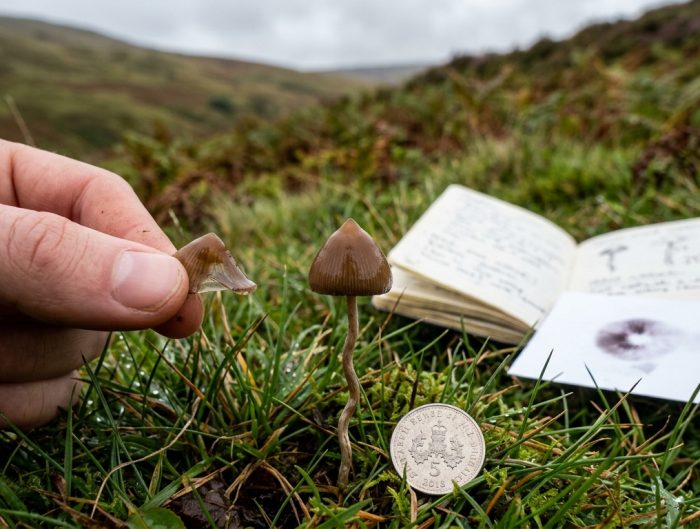
Psilocybin mushrooms come in many varieties, with Psilocybe cubensis being the most commonly available. Within that species, there are dozens of cultivars with varying potency levels. A gram of one variety might feel noticeably different from a gram of another, so knowing what you have matters. If you’re unsure, start conservatively. You can always explore a higher dose next time, but you can’t undo a dose that was too strong.
Selecting and Grinding Your Mushrooms
Whole dried mushrooms have inconsistent psilocybin distribution. The caps tend to contain more psilocybin than the stems, and even within a single batch, individual mushrooms can vary in potency. This means that if you just break off a piece and toss it into hot water, you might get a stronger or weaker brew than you intended.
Grinding solves this problem. Use a clean coffee grinder, spice grinder, or even a mortar and pestle to reduce your dried mushrooms to a fine powder. This does two important things: it homogenizes the psilocybin content so your dose is more consistent, and it dramatically increases the surface area exposed to hot water, which means a more complete extraction.
Store any unused powder in an airtight container, away from light and moisture. Psilocybin degrades over time when exposed to heat, oxygen, and UV light, so proper storage helps maintain potency. A dark glass jar in a cool cupboard works well. If you’re preparing powder in advance, try to use it within a few weeks for the most reliable results.
One practical note: weigh your powder with a digital scale that reads to at least 0.1 grams. Kitchen scales that only measure in whole grams aren’t precise enough for this purpose. A reliable scale costs under $20 and is one of the best investments you can make for consistent, intentional dosing.
Determining the Right Dose for Your Experience
Dosage is personal. Your body weight, metabolism, sensitivity to psychoactive substances, and previous experience all play a role. That said, there are general ranges that most people find useful as starting points.
- A microdose (0.1 to 0.3 grams) is sub-perceptual, meaning you shouldn’t feel any obvious psychoactive shift. This range is used for subtle cognitive and emotional support over time.
- A low dose (0.5 to 1.0 grams) produces mild perceptual changes: colors might seem brighter, music more engaging, and your mood may shift noticeably.
- A moderate dose (1.5 to 2.5 grams) is where most people land for a meaningful experience. Expect noticeable visual and emotional shifts, introspective thoughts, and a clear sense that something is different.
- A higher dose (3.0 grams and above) produces intense experiences that are best reserved for people with prior experience and a trusted setting.
For tea specifically, keep in mind that the faster absorption can make a given dose feel slightly more intense than the same amount eaten whole. If you’re new to psilocybin tea, consider starting about 0.5 grams below what you might take if eating mushrooms directly. You can always brew a second, smaller cup if you want to go deeper after the first hour.
Psilocybin mushrooms vary in price from $20 to $60 for an eighth depending on region and variety, so knowing your dose also helps you use your supply thoughtfully.
Step-by-Step Guide to the Perfect Brew
Here’s where everything comes together. Making psilocybin mushroom tea is genuinely simple, but a few details make the difference between a mediocre extraction and a thorough one. Follow these steps and you’ll get a consistent, effective brew every time.
You’ll need:
- Pre-ground dried mushrooms (weighed to your chosen dose)
- A kettle or pot for heating water
- A mug or heat-safe vessel
- A fine mesh strainer, cheesecloth, or a reusable tea bag
- Optional: tea bags of your favorite herbal tea, lemon juice, ginger, honey
The basic process is straightforward: heat water, pour it over your ground mushrooms, let it steep, strain, and drink. But the specifics of temperature and timing matter more than you might expect.
Temperature Control: Protecting Psilocybin
This is the detail that most guides get wrong or skip entirely. Psilocybin is a relatively stable molecule, but it does degrade at high temperatures. Pouring boiling water (100°C / 212°F) directly onto your mushroom powder isn’t ideal. While it won’t destroy all the psilocybin, it can reduce potency, especially with prolonged exposure to extreme heat.
The sweet spot is between 70°C and 80°C (roughly 158°F to 176°F). If you don’t have a thermometer, the simplest approach is to bring your water to a boil, then let it cool for 2 to 3 minutes before pouring. This brings the temperature down into the right range without requiring any special equipment.
Why does this matter? Psilocybin converts to psilocin (the compound that actually produces psychoactive experiences) through a process called dephosphorylation. Some of this happens in the hot water, and some happens in your body after you drink the tea. Excessively hot water can break down psilocin faster than you want, reducing what actually makes it into your system. Keeping the temperature moderate preserves both compounds.
Research into standardized psilocybin tea preparations has grown significantly. Numinus Wellness developed psilocybin mushroom tea bags specifically for clinical research, demonstrating that tea-based delivery can provide consistent, measurable dosing when prepared carefully. That same principle applies at home: consistent preparation leads to consistent experiences.
Steeping Times and Straining Techniques
Once you’ve poured your hot water over the ground mushrooms, you need to give the psilocybin time to dissolve. A steeping time of 10 to 15 minutes is ideal for most preparations. Stir the mixture gently every few minutes to help the extraction along.
Some people prefer a double-extraction method: steep the same mushroom material twice. After your first 10-minute steep, strain the liquid into your mug, then pour a second batch of hot water over the same grounds and steep for another 10 minutes. Combine both liquids. This approach extracts more psilocybin from the material and reduces waste.
For straining, a fine mesh tea strainer works well for coarsely ground material. If you’ve ground your mushrooms to a fine powder, you’ll want cheesecloth or a paper coffee filter to catch the smaller particles. Some people use reusable muslin tea bags: just load the powder into the bag before steeping, and you can skip the straining step entirely.
Don’t squeeze the strained material too aggressively. A gentle press is fine, but wringing it out can push bitter-tasting compounds into your tea that the straining was meant to remove. Once strained, your tea is ready to flavor and drink.
Flavor Enhancers and Potency Boosters
Plain psilocybin tea tastes earthy and slightly bitter. It’s drinkable, but it’s not something most people would choose for the flavor alone. The good news is that you have plenty of options for making it taste genuinely good, and some of those additions can actually enhance the experience itself.
Think of your tea as a base that you can customize. Herbal tea bags, citrus, sweeteners, and spices all work beautifully. The key is choosing additions that complement the earthy mushroom flavor rather than fighting it. Chamomile, peppermint, and rooibos are popular choices because they have strong enough flavors to mask the mushroom taste while adding their own calming or soothing qualities.
The Lemon Tek Method for Intensified Effects
You’ve probably heard of lemon tek if you’ve spent any time reading about psilocybin preparation. The concept is simple: soak your ground mushrooms in fresh lemon juice for 15 to 20 minutes before adding hot water. The citric acid in the lemon juice begins converting psilocybin to psilocin before you drink it, essentially giving your body a head start on the process that would normally happen in your stomach.
The result is a noticeably faster onset (sometimes as quick as 10 minutes) and a more intense peak. The overall duration tends to be shorter, often wrapping up in 3 hours rather than 4 to 5. This compressed timeline appeals to some people, but it’s not for everyone.
A word of honest caution here: lemon tek can make a moderate dose feel like a strong one. If you’re new to psilocybin or new to tea preparation, skip the lemon tek for your first few sessions. Get comfortable with the standard tea method first, learn how your body responds, and then experiment with citrus enhancement once you have a baseline. Psilocybin and lemon juice together produce a more rapid and concentrated experience that can catch people off guard if they’re not prepared for the intensity.
If you do try it, use the juice of half a lemon for doses up to 2 grams, or a full lemon for higher amounts. Let the mixture sit and stir it occasionally. You’ll notice the powder changing color slightly as the conversion begins. After 15 to 20 minutes, add your hot water (still at that 70-80°C range), steep for another 10 minutes, strain, and drink.
Using Ginger, Honey, and Herbal Blends
Ginger is the single best addition you can make to psilocybin tea, and it’s not just about flavor. Fresh ginger is a well-known anti-nausea remedy, and adding a few thin slices or a teaspoon of grated ginger to your brew can further reduce any stomach discomfort during the come-up. It also adds a pleasant warmth and spice that pairs naturally with the earthy mushroom taste.
Honey is another excellent addition. A tablespoon of raw honey sweetens the tea, smooths out bitterness, and adds a comforting richness. Add honey after the steeping and straining are complete, since you don’t want it interfering with the extraction process. Stir it in while the tea is still warm enough to dissolve it.
Here are some herbal tea combinations that work particularly well:
- Chamomile and honey: calming, slightly sweet, great for evening sessions
- Peppermint and ginger: refreshing, stomach-settling, works well for morning or afternoon
- Rooibos and vanilla: naturally sweet, caffeine-free, masks mushroom taste effectively
- Lavender and lemon balm: deeply relaxing, pairs well with lower doses focused on reflection
- Green tea (decaf): adds a grassy note that complements the mushroom flavor naturally
Avoid adding dairy milk, as it can interfere with absorption and sometimes contributes to nausea. Plant-based milks like oat or coconut are fine if you want a creamier texture, but they’re not necessary.
Optimizing Your Set and Setting for the Session
Your tea is brewed, flavored, and ready. But before you take that first sip, pause. The environment you’re in and the headspace you bring to this experience matter as much as the dose itself. Researchers and experienced practitioners consistently emphasize that “set and setting” are the two most significant factors in shaping a psilocybin experience, often more influential than the dose.
“Set” refers to your mindset: your emotional state, expectations, and intentions going in. “Setting” is your physical environment: where you are, who you’re with, and what sensory inputs surround you. Getting both right doesn’t require perfection, but it does require some thought.
Start with your space. Choose somewhere you feel genuinely safe and comfortable. Your home is usually the best option, especially a room where you can control the lighting, temperature, and noise level. Dim lighting or natural light tends to feel better than harsh overhead fluorescents. Have blankets, pillows, and comfortable seating available. Prepare a playlist in advance: instrumental music, ambient soundscapes, or curated playlists designed for reflective experiences all work well. Avoid anything with aggressive energy or lyrics that might pull your attention in unwanted directions.
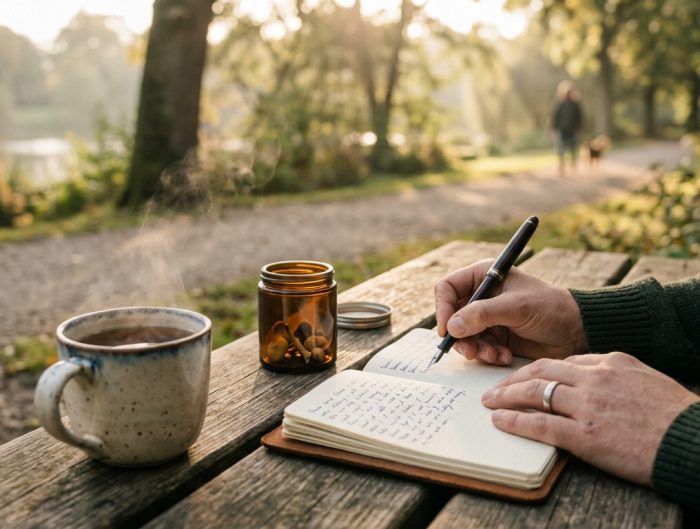
Remove potential stressors before you begin. Silence your phone or put it in another room. Make sure you don’t have obligations for the rest of the day. If you live with others, let them know you’d like some uninterrupted time. Having a journal nearby is something we always recommend at Healing Dose, because some of the most valuable moments during a psilocybin experience are the quiet insights that surface and then fade if you don’t capture them.
Consider your emotional state honestly. If you’re feeling anxious, grieving, or in the middle of a stressful period, that doesn’t necessarily mean you shouldn’t proceed, but it does mean you should adjust your dose downward and perhaps have a trusted friend nearby. Psilocybin tends to amplify whatever emotional currents are already present, so going in during a period of relative calm usually produces a more comfortable experience.
If you’re exploring psilocybin for the first time, having a sober companion, sometimes called a sitter, is genuinely valuable. This person doesn’t need to do much: just be present, calm, and available if you need reassurance or practical help. Choose someone you trust deeply and who understands what you’re doing.
Water, light snacks (fruit is ideal), and a cozy blanket within arm’s reach round out the preparation. Some people like to set a simple intention before drinking their tea: not a rigid goal, but a gentle question or theme they’d like to hold loosely throughout the experience. “What am I ready to let go of?” or “What needs my attention right now?” are examples that work well without being too prescriptive.
A recent study published in 2025 found that psilocybin used alongside supportive settings showed meaningful reductions in anxiety and depression scores among participants, reinforcing what experienced practitioners have known for years: the context shapes the experience profoundly.
Safety Precautions and Responsible Use
Psilocybin is a powerful psychoactive compound, and treating it with respect is non-negotiable. While the physiological safety profile of psilocybin is relatively favorable compared to many other substances (it has very low toxicity and is not physically addictive), that doesn’t mean there are no risks. Most risks are psychological rather than physical, and most can be mitigated with careful preparation.
Here are the most important safety considerations:
- Know your source. Misidentified mushrooms are a real danger. If you’re not 100% certain of the species, don’t consume them. Psilocybin mushrooms have toxic look-alikes, and the consequences of a mistake can be severe.
- Start low. Especially with tea, where absorption is faster and the experience can feel more intense gram-for-gram. A conservative first dose gives you valuable information about your personal sensitivity.
- Never combine psilocybin with lithium or tramadol. These combinations carry serious risks including seizures. If you’re on any psychiatric medications, particularly SSRIs or MAOIs, research the interactions carefully or consult a healthcare provider. SSRIs can dull psilocybin’s psychoactive properties, while MAOIs can dangerously intensify them.
- Don’t drive or operate machinery. This should be obvious, but it bears stating. Plan your session so you have no responsibilities that require coordination, judgment, or reaction time for at least 6 to 8 hours.
- Have a plan for difficult moments. Even well-prepared experiences can include challenging emotional passages. Having a calm friend nearby, a familiar comfort object, or a pre-selected piece of soothing music can help you move through difficult moments rather than getting stuck in them.
- Stay hydrated. Psilocybin can suppress your awareness of thirst. Keep water nearby and sip throughout the experience.
Legal status varies significantly by location. As of 2026, psilocybin remains a controlled substance in most jurisdictions, though several cities and states have moved toward decriminalization or regulated therapeutic access. Know the laws where you live before obtaining or using psilocybin mushrooms.
The development of standardized psilocybin tea bags for controlled research settings reflects a growing recognition that tea-based delivery offers advantages in both clinical and personal contexts. But standardization in a lab is different from preparation at home, which is why careful attention to dosing and process matters so much when you’re doing this yourself.
One more thing worth mentioning: integration. The experience doesn’t end when the psilocybin wears off. What you do in the hours and days afterward shapes whether insights translate into lasting personal growth. At Healing Dose, we emphasize journaling, reflection, and honest self-assessment as essential parts of the process. Write down what you noticed, what surprised you, and what questions came up. Return to those notes over the following week. The quiet changes that emerge from thoughtful integration are often more meaningful than the experience itself.
If you’re not sure about the right dose for your body and your goals, that’s completely okay. Everyone’s sensitivity is different, and there’s no shame in starting small. We built a short quiz to help you find a gentle starting range based on your experience level, intentions, and personal sensitivity. It takes just a couple of minutes and can give you a more confident starting point than guessing.
The most important thing you can do is approach this with patience, honesty, and a willingness to listen to what your body and mind are telling you. A warm cup of carefully prepared tea, a safe space, and a gentle intention: that’s really all you need to begin.

You might also like