Psilocybin tinctures have quietly become one of the most accessible and precise formats for people exploring microdosing or guided therapeutic experiences. If you’ve been curious about how to use a psilocybin tincture but felt unsure about dosage, timing, or safety, you’re in exactly the right place. The liquid format offers a level of control that dried fungi and even capsules can’t easily match, and that precision matters a great deal when you’re working with a substance that affects everyone differently. Whether you’re a cautious beginner or someone refining an existing practice, this guide walks you through every practical detail you need to feel confident and grounded in your approach. We’ve built this around the same principles we follow at Healing Dose: safety first, honesty always, and a deep respect for the pace that feels right for you.
Understanding Psilocybin Tinctures and Their Benefits
A psilocybin tincture is a liquid extract made by dissolving psilocybin-containing mushroom material into a solvent, most commonly ethanol (grain alcohol) or a glycerin base. The active compounds, primarily psilocybin and its metabolite psilocin, are drawn out of the mushroom tissue and suspended in the liquid, creating a concentrated solution that can be measured with a dropper. This extraction process preserves the psychoactive compounds while making them easier to dose with precision.
The appeal of tinctures goes beyond convenience. Because the active compounds are already partially broken down during extraction, your body doesn’t have to work as hard to absorb them. This means the onset tends to be faster and the experience more predictable compared to eating raw or dried mushroom material, where variables like stomach contents, mushroom potency, and individual digestion all introduce uncertainty.
Tinctures also sidestep one of the most common complaints about consuming fungi directly: the taste. Many people find dried mushrooms unpleasant, and nausea during digestion is a frequent issue. A tincture, especially one taken sublingually (under the tongue), bypasses much of the digestive process entirely. For people with sensitive stomachs, this alone can be reason enough to choose the liquid format.
The U.S. psilocybin market has been growing steadily as legal frameworks expand in states like Oregon and Colorado, and tinctures represent a growing share of how people access psilocybin in supervised and personal settings. Understanding what you’re working with is the first step toward using it well.
The Difference Between Tinctures, Capsules, and Raw Fungi
Each format delivers psilocybin differently, and those differences matter more than most people realize. Raw or dried mushrooms are the most traditional method, but they come with significant variability. Two mushrooms from the same batch can contain meaningfully different concentrations of psilocybin, which makes consistent dosing difficult. You’re also relying entirely on your digestive system to break down the chitin-rich cell walls of the mushroom before the psilocybin becomes available.
Capsules offer a step up in consistency. They typically contain ground mushroom powder measured to a specific weight, and some manufacturers standardize their capsules to a target psilocybin concentration. The downside is that capsules still require full digestion, which means slower onset and more variability based on what you’ve eaten, your metabolism, and your gut health.
Tinctures sit at the precise end of the spectrum. A well-made tincture allows you to measure your dose in fractions of a milliliter, and because the psilocybin is already in solution, absorption begins almost immediately when taken sublingually. Research comparing these delivery methods shows that tinctures may offer advantages in absorption speed and dosing accuracy over capsules and raw material.
Here’s a quick comparison:
- Raw fungi: highest variability, slowest onset, most nausea potential, lowest cost
- Capsules: moderate consistency, moderate onset (45-90 minutes), easier to travel with
- Tinctures: highest precision, fastest onset (15-30 minutes sublingually), easiest to adjust dose incrementally
If precision and speed of onset are priorities for you, tinctures are worth serious consideration.
Bioavailability and Faster Onset Times
Bioavailability refers to how much of a substance actually reaches your bloodstream in active form. With raw mushrooms, a meaningful portion of the psilocybin is lost during digestion, either broken down by stomach acid before absorption or passed through without being fully extracted from the mushroom tissue. Estimates vary, but oral bioavailability of psilocybin from raw material is generally lower than from pre-extracted forms.
Tinctures improve this equation in two ways. First, the extraction process has already freed the psilocybin from the mushroom’s cellular structure, so your body doesn’t need to do that work. Second, sublingual administration allows psilocybin to absorb directly through the mucous membranes under your tongue, entering the bloodstream without passing through the liver first. This is called avoiding “first-pass metabolism,” and it’s the same reason some medications are designed to dissolve under the tongue.
The practical result is that most people notice the onset of a tincture within 15 to 30 minutes when taken sublingually, compared to 45 to 90 minutes with capsules or dried mushrooms. This faster onset also tends to produce a more predictable timeline for the experience, which is especially valuable if you’re microdosing and need to plan your day around it. You know sooner whether you’ve hit your target, and you’re less likely to make the common mistake of taking more because you “don’t feel anything yet.”
Determining Your Ideal Dosage
Finding your right dose is the single most important step in this entire process, and it’s also the most personal. Two people of the same body weight can respond very differently to the same amount of psilocybin, much like how one cup of coffee barely registers for some people while it leaves others jittery and anxious. Your individual sensitivity depends on factors like your neurochemistry, any medications you’re taking, your emotional state, and even how recently you’ve eaten.
The good news is that tinctures make the process of finding your dose much easier than other formats. Because you can adjust by fractions of a milliliter, you can make tiny incremental changes until you find the amount that works for you. This is where patience becomes your best tool. Start lower than you think you need to, and give yourself several sessions at the same dose before deciding to adjust.
At Healing Dose, we encourage people to think of dosing as a conversation with your body rather than a math problem to solve once. Your ideal dose might shift over time based on your stress levels, sleep quality, hormonal cycles, and other factors. The goal isn’t to find one perfect number and stick with it forever. It’s to develop enough self-awareness to know what feels right on any given day.
Microdosing vs. Therapeutic Thresholds
The distinction between a microdose and a larger therapeutic dose isn’t just about quantity: it’s about intention and the type of experience you’re looking for.
A microdose is typically defined as a sub-perceptual amount, meaning you shouldn’t feel noticeably altered. Think of it as a subtle shift rather than a dramatic change. Most people describe the experience as a gentle hum of energy, slightly improved mood, or a quiet sense of focus. Common microdose ranges for psilocybin fall between 50 and 300 milligrams of dried mushroom equivalent, though the exact amount in tincture form depends on the concentration of your specific product.
Therapeutic doses are larger and produce perceptual changes. These are the doses used in clinical research settings and in supervised psilocybin service centers in Oregon, where trained facilitators guide people through the experience. Therapeutic doses typically range from 1 to 5 grams of dried mushroom equivalent, depending on the protocol and the individual’s history.
Here’s a general framework:
- Sub-perceptual microdose: 50-300 mg equivalent (you feel “normal” but slightly different)
- Low perceptual dose: 300-1,000 mg equivalent (mild sensory enhancement, emotional openness)
- Moderate therapeutic dose: 1-3 grams equivalent (significant perceptual and emotional shifts)
- High therapeutic dose: 3-5+ grams equivalent (profound experiences, clinical supervision strongly recommended)
If you’re new to this, microdosing is where you should start. There’s no rush to move up, and many people find that the subtle, sub-perceptual range is exactly where they want to stay.
Calculating Milligrams per Milliliter
This is where people often get tripped up, but it’s simpler than it seems. Every tincture should list its concentration, usually expressed as milligrams of psilocybin per milliliter of liquid (mg/mL). If your tincture doesn’t provide this information, that’s a red flag about the product’s quality and transparency.
Let’s say your tincture is labeled at 2 mg/mL. If your target microdose is 1 mg of psilocybin, you need 0.5 mL. Most droppers hold approximately 1 mL when fully drawn, so you’d fill the dropper halfway. Some tinctures come with graduated droppers that show markings at 0.25 mL intervals, which makes this even easier.
A few practical tips for accurate dosing:
- Hold the dropper vertically when measuring: tilting it changes the volume
- Count drops if your dropper isn’t graduated (a standard dropper produces roughly 20 drops per mL, but this varies by liquid viscosity)
- Keep a simple log of how many drops or milliliters you take and what you notice afterward
- Don’t mix tinctures from different brands or batches without recalculating your dose
Dosing guidelines for psilocybin can vary based on the source material and extraction method, so always check the specific concentration details for the product you’re using rather than assuming all tinctures are created equal.
Best Practices for Administration
How you take your tincture matters almost as much as how much you take. The method of administration affects absorption speed, intensity, and duration. Your physical environment and mental state also play significant roles in shaping the experience, especially at doses above the microdosing range.
Getting these details right doesn’t require complicated rituals or special equipment. It’s mostly about being intentional with a few simple choices that make a real difference in consistency and comfort.
Sublingual vs. Ingestion Methods
You have two primary options: placing the tincture under your tongue (sublingual) or swallowing it directly, sometimes mixed into a beverage.
Sublingual administration is generally the preferred method. Place the measured dose under your tongue and hold it there for 60 to 90 seconds before swallowing. The thin tissue under your tongue is rich with blood vessels, allowing the psilocybin to absorb directly into your bloodstream. This bypasses your digestive system and liver, resulting in faster onset and potentially higher bioavailability.
The taste can be strong, especially with alcohol-based tinctures. A slight burn or bitterness is normal. If you find it genuinely unpleasant, you can chase it with a small sip of juice or water after the 60-second hold. Don’t rush the hold time, though: that’s where the absorption advantage comes from.
Swallowing the tincture directly, or mixing it into tea, juice, or water, is the alternative. This is gentler on the palate but slower to take effect, typically adding 15 to 30 minutes to the onset compared to sublingual dosing. The experience may also feel slightly less intense at the same dose because some of the psilocybin is metabolized by your liver before reaching your brain.
For microdosing, either method works well. If you’re working with higher doses in a guided or therapeutic context, sublingual administration gives you a more predictable timeline, which can be valuable for planning your session.
Timing and Environmental Considerations
Most people who microdose prefer morning dosing, typically within the first hour of waking. Psilocybin can produce a subtle physical buzz and increased mental energy that’s welcome in the morning but potentially disruptive to sleep if taken in the afternoon or evening. Think of it like caffeine sensitivity: if you’re the type who can’t drink coffee after 2 PM without lying awake at night, you’ll probably want to keep your psilocybin doses to the morning as well.
Take your tincture on a light stomach or after a small, easily digestible meal. A completely empty stomach can intensify the onset and sometimes cause mild nausea, while a heavy meal can delay absorption significantly. A piece of toast or a banana about 30 minutes before dosing tends to be a good middle ground.
Your environment matters too, especially as you’re first establishing your dose. Choose a day when you don’t have high-pressure obligations. You’re not going to feel impaired at a proper microdose, but you want the mental space to notice what’s different. Are you slightly more patient? Does music sound a little richer? Are you less reactive to minor annoyances? These quiet changes are easy to miss if you’re racing through a packed schedule.
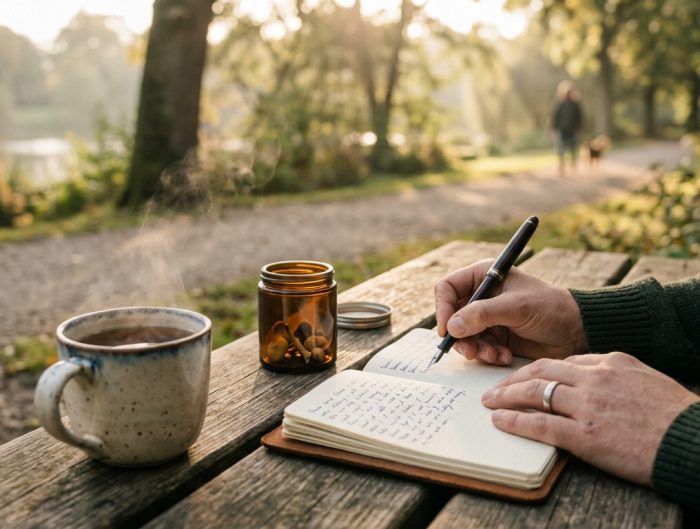
Keep a journal nearby. Even a few sentences about your mood, energy, and focus at two-hour intervals can reveal patterns that aren’t obvious in the moment but become clear over weeks.
Safety Protocols and Risk Mitigation
Psilocybin is generally considered to have a favorable safety profile compared to many other psychoactive substances, with low toxicity and minimal risk of physical dependence. But “generally safe” doesn’t mean “safe for everyone in every situation.” Taking the time to understand the real risks, and how to minimize them, is what separates a thoughtful practice from a reckless one.
Safety isn’t about fear. It’s about respect: for the substance, for your body, and for the complexity of your own psychology. The most experienced practitioners are often the most cautious, not because they’ve had bad experiences, but because they understand how much variability exists from person to person and even from day to day.
Identifying Potential Contraindications
Certain medications and health conditions create genuine risks when combined with psilocybin. This isn’t optional reading: if any of these apply to you, please take them seriously.
The most significant concern involves psychiatric medications, particularly SSRIs (selective serotonin reuptake inhibitors) and MAOIs (monoamine oxidase inhibitors). Psilocybin works primarily on serotonin receptors, and combining it with medications that also affect serotonin can produce unpredictable interactions. In rare cases, this combination can contribute to serotonin syndrome, a potentially dangerous condition characterized by rapid heart rate, high blood pressure, agitation, and confusion.
Other contraindications to be aware of:
- Personal or family history of psychotic disorders (schizophrenia, bipolar disorder with psychotic features)
- Lithium use (reports suggest increased seizure risk when combined with psychedelics)
- Severe cardiovascular conditions (psilocybin can temporarily raise heart rate and blood pressure)
- Pregnancy or breastfeeding (insufficient safety data exists)
- Active substance use disorders involving stimulants or other serotonergic drugs
If you’re currently taking any prescription medication, have a conversation with a healthcare provider who is knowledgeable about psychedelic interactions before starting. This is one area where the “start low and see what happens” philosophy doesn’t apply: some interactions are dangerous regardless of dose.
Managing Adverse Reactions and Overstimulation
Even without contraindications, uncomfortable experiences can happen. Knowing what to expect and how to respond makes these situations manageable rather than frightening.
At microdose levels, the most common adverse experiences are mild and temporary: slight nausea in the first 30 minutes, a jittery or overstimulated feeling similar to too much coffee, or increased emotional sensitivity that catches you off guard. If you notice these consistently, your dose is probably too high. Drop back by 25 to 50 percent and try again after a rest day.
At higher doses, more intense experiences become possible. Anxiety, confusion, and emotional overwhelm are the most commonly reported challenges. If you find yourself feeling anxious or unsettled during a session, these grounding techniques can help:
- Change your physical position: sit up if you’re lying down, or lie down if you’re sitting
- Focus on slow, deep breathing: four counts in, hold for four, exhale for six
- Put on familiar, calming music
- Hold something with a strong tactile quality, like a smooth stone or a soft blanket
- Remind yourself that the experience is temporary and will pass
Having a trusted person nearby, someone who knows what you’re doing and can offer calm reassurance, is one of the most effective safety measures available. This is standard practice in clinical settings and in supervised psilocybin sessions in states like Colorado, and it’s equally valuable in personal practice.
Days where nothing seems to happen are also part of the process. Not every session produces noticeable shifts, and that’s completely normal. Resist the urge to increase your dose based on a single unremarkable session.
Storage and Long-Term Potency Maintenance
Psilocybin degrades over time, and how you store your tincture directly affects how long it remains potent and consistent. A tincture that was accurately dosed when you bought it can become unreliable if stored carelessly, which undermines the precision advantage that drew you to the format in the first place.
The primary enemies of psilocybin stability are heat, light, oxygen, and moisture. Alcohol-based tinctures have a natural advantage here because ethanol acts as a preservative, but even alcohol extracts will lose potency if exposed to these degrading factors over months. Glycerin-based tinctures are more vulnerable and generally have a shorter shelf life.
A properly stored alcohol-based tincture can maintain its potency for 12 to 18 months or longer. Glycerin tinctures should ideally be used within 6 to 12 months. If your tincture changes color significantly, develops an unusual smell, or produces inconsistent experiences at your established dose, it may have degraded.
Protecting Against Oxidation and UV Light
Oxidation is the most common cause of psilocybin degradation in tinctures. Every time you open the bottle, air enters and begins slowly breaking down the active compounds. UV light accelerates this process considerably, which is why quality tinctures come in dark amber or cobalt blue glass bottles.
Practical storage guidelines:
- Keep your tincture in its original dark glass bottle (never transfer to clear glass or plastic)
- Store in a cool, dark location: a medicine cabinet, a drawer, or a refrigerator
- Refrigeration is ideal but not mandatory for alcohol-based tinctures
- Close the cap tightly immediately after each use
- Avoid storing near windows, on countertops, or anywhere that receives direct sunlight
- If your tincture came with a dropper cap, make sure the rubber bulb creates a good seal
Some people transfer their tincture into smaller bottles as they use it, minimizing the air-to-liquid ratio in the storage bottle. This is a thoughtful approach if you have a large bottle that will take months to finish. The less air sitting above the liquid, the slower the oxidation process.
A comprehensive guide to mushroom tincture storage confirms that temperature stability and light protection are the two most impactful factors in maintaining long-term potency. If you remember nothing else from this section, remember this: dark, cool, sealed. Those three words will keep your tincture reliable for as long as you need it.
Integrating the Experience for Lasting Wellness
This is the part that most guides skip, and it’s arguably the most important. Taking a tincture is the easy part. The real work happens in how you pay attention to what follows and what you do with what you notice.
Integration is the practice of reflecting on your experiences, identifying patterns, and consciously applying any insights to your daily life. Without integration, even the most profound session becomes just an interesting memory rather than a catalyst for meaningful personal growth. This is true whether you’re microdosing or working with larger therapeutic doses.
At the microdosing level, integration looks like consistent self-observation. Keep a simple journal where you track your dose, the time you took it, and brief notes about your mood, energy, creativity, and social interactions throughout the day. You don’t need to write essays. Three to five bullet points are enough. The value emerges over weeks as you start to see patterns: maybe you notice that your microdosing days correlate with more patience in difficult conversations, or that your creative output is slightly higher, or that you sleep better on certain protocols than others.
These quiet changes are the real signal. They won’t announce themselves dramatically. You won’t wake up a different person. But over the course of a month or two, you might look back at your journal and realize that your baseline has shifted in ways that feel genuinely meaningful. You’re less reactive. You’re more present. You’re handling stress with a little more grace.
For those working with larger doses in therapeutic contexts, integration becomes even more critical. Research increasingly supports the idea that the therapeutic value of psilocybin depends significantly on the integration process that follows the experience. A single session without reflection and follow-up tends to produce temporary shifts. Structured integration, whether through journaling, therapy, or guided reflection, is what helps those shifts become lasting changes in how you relate to yourself and others.
At Healing Dose, we consider integration non-negotiable. It’s not an add-on or an advanced practice. It’s the foundation that everything else rests on. If you’re going to invest the time and intention into working with psilocybin, invest equal time in sitting with what comes up.
Some practical integration practices that people find helpful:
- Morning journaling before dosing (to establish a baseline for the day)
- Evening reflection (what was different today? what surprised you?)
- Weekly review of your journal entries to spot emerging patterns
- Conversations with a trusted friend, partner, or therapist about what you’re noticing
- Mindfulness or meditation practice, even just 5 to 10 minutes daily
The psilocybin market in the U.S. is projected to continue expanding through 2030, and with that growth comes increasing access and increasing responsibility. The people who get the most from this practice are the ones who approach it with curiosity, patience, and a genuine willingness to look honestly at themselves.
You don’t need to have everything figured out before you start. You just need to be willing to pay attention and be honest about what you find. That’s the whole practice, really: attention and honesty, applied consistently over time.
If you’re ready to find a starting point that matches your goals, experience level, and personal sensitivity, our short quiz can help you figure out where to begin. Take the dose quiz to get a gentle, personalized recommendation – no pressure, no rush, just a thoughtful place to start.

You might also like