Choosing the right psilocybin facilitator is one of the most important decisions you’ll make on this path. Whether you’re exploring psilocybin for personal growth, emotional processing, or simply deep curiosity, the person guiding your experience shapes everything: your sense of safety, the depth of your session, and how well you integrate what comes up afterward. With Oregon and Colorado now operating licensed psilocybin programs, there are more options than ever, and that means more responsibility on you to choose wisely. The good news? You don’t have to figure this out alone. This guide will help you know exactly what to look for, what to ask, and what to walk away from.
Understanding the Role of a Psilocybin Facilitator
A psilocybin facilitator is someone trained to support you before, during, and after a psilocybin session. Their job isn’t to direct your experience or tell you what to feel. Instead, they create the conditions for you to move through whatever arises with a sense of safety and trust. Think of them less as an authority figure and more as a steady, grounded presence who’s there if you need them.
Facilitation vs. Therapy: Knowing the Difference
This distinction matters more than most people realize. A licensed therapist can diagnose conditions, provide psychotherapy, and work within clinical frameworks. A psilocybin facilitator, by contrast, is trained specifically to hold space during a session without offering therapeutic interventions in the traditional sense. In Oregon’s licensed model, facilitators complete extensive training programs but are not required to hold therapy licenses. Some facilitators do have clinical backgrounds, which can be a bonus, but it’s not a given. Understanding this distinction helps you set realistic expectations for what a facilitator can and can’t offer.
The Importance of Holding Safe Space
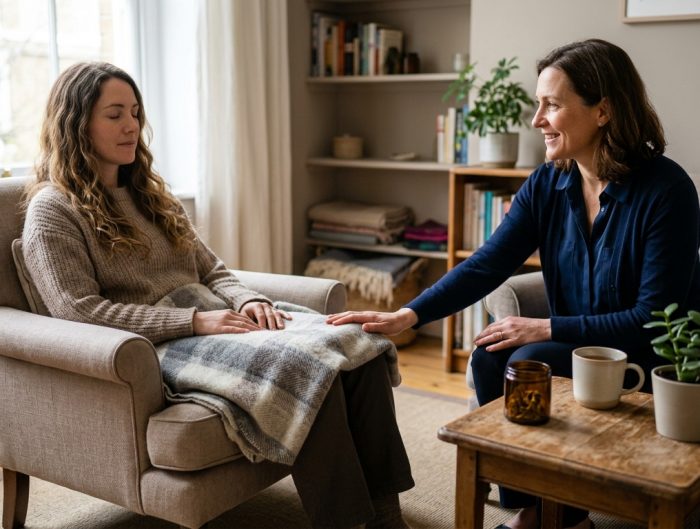
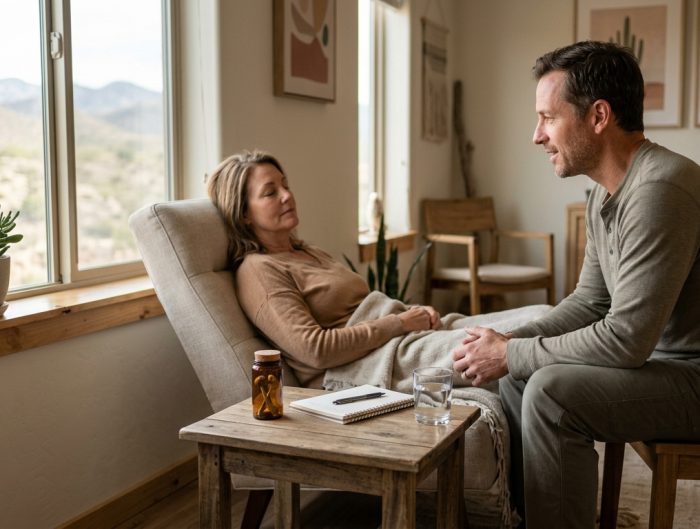
“Holding space” might sound vague, but in practice it’s very concrete. It means the facilitator remains calm if you cry, doesn’t rush you through difficult moments, monitors your physical comfort, and refrains from projecting their own beliefs onto your experience. A skilled facilitator knows when to offer a glass of water and when to simply sit quietly. This kind of attentive, non-intrusive presence is what allows you to feel safe enough to let go during a session.
Evaluating Professional Training and Experience
Not all training programs are created equal, and a facilitator’s background tells you a lot about the quality of support you’ll receive. This is one area where doing your homework really pays off.
Certification and Formal Education Standards
In Oregon, facilitators must complete an approved training program that includes supervised practicum hours. Colorado has followed a similar path, with its first cohort of 50 graduates completing licensed facilitator training in early 2025. Ask any prospective facilitator where they trained, how many practicum hours they completed, and whether they hold a current state license. If they’re operating outside a licensed state, ask what certifications or mentorship programs they’ve completed. Vague answers here are a red flag.
Experience with Specific Intentions or Conditions
Some facilitators specialize in working with grief, others with anxiety, and others with creative or spiritual exploration. If you’re coming in with a specific intention, it helps to find someone who has experience in that area. Don’t be shy about asking how many sessions they’ve facilitated and what kinds of intentions their clients typically bring. A facilitator who has supported 200 sessions will likely hold space differently than someone fresh out of training.
Assessing Safety Protocols and Ethical Standards
Safety isn’t just about what happens during the session itself. It’s about the entire framework surrounding it: the screening process, the physical environment, the boundaries, and the plans for when things don’t go as expected.
Health Screening and Intake Procedures
A responsible facilitator will ask about your medical history, current medications, and mental health background before agreeing to work with you. Psilocybin can interact with SSRIs and other medications, and certain conditions like a personal or family history of psychosis may make a session inadvisable. If a facilitator skips this step or seems dismissive of your health history, that’s a serious concern. Oregon’s safety data is encouraging: over 99% of psilocybin sessions in the state’s first full year of operation occurred without any defined adverse events, but that safety record exists precisely because of thorough screening protocols.
Physical Touch Boundaries and Consent Forms
Before your session, you should receive clear documentation outlining what kinds of physical contact are and aren’t acceptable. Some facilitators may offer a hand to hold or a blanket during a session, but this should always be discussed and agreed upon in advance. Consent forms should be specific, not generic. You should feel completely comfortable with every boundary before the session begins.
Emergency Response and Harm Reduction Plans
Ask what happens if you have a difficult psychological experience during a session. Ask what happens if there’s a medical issue. A well-prepared facilitator will have a clear plan for both scenarios, including access to medical support if needed. At Healing Dose, we emphasize a safety-first approach in all our educational content because preparation is what separates a supported experience from a risky one.
Analyzing the Facilitator’s Approach and Philosophy
Two facilitators can both be competent and ethical yet offer very different experiences based on their philosophy and style. Understanding their approach helps you find someone whose methods resonate with you personally.
Preparation and Integration Support Services
The session itself is only one piece of the puzzle. What happens before and after matters just as much, sometimes more. A good facilitator will offer at least one preparation session to help you clarify your intentions, discuss what to expect, and address any fears. After the session, integration support helps you make sense of what came up and translate insights into your daily life. At Healing Dose, we believe integration through journaling, reflection, and honest self-assessment is what turns a single experience into lasting personal growth. If a facilitator offers no integration support, consider that a significant gap.
Ceremonial vs. Clinical Perspectives
Some facilitators work within a clinical, psychology-informed framework. Others draw from indigenous traditions or spiritual practices, incorporating elements like breathwork, music, or ritual. Neither approach is inherently better, but you should know what you’re signing up for. Ask about the setting, the music they use, whether there are spiritual or religious elements, and how structured the session will be. Denver’s first licensed psilocybin center opened with a focus on creating warm, intentional environments that blend clinical safety with a sense of ceremony, showing that these approaches don’t have to be mutually exclusive.
Practical Considerations and Red Flags
Once you’ve narrowed your options, a consultation call or meeting gives you the chance to ask direct questions and get a feel for the person behind the credentials.
Questions to Ask During an Initial Consultation
Come prepared with specific questions. Here are some that tend to reveal a lot:
- How many sessions have you facilitated, and over what time period?
- What does your preparation process look like?
- How do you handle difficult psychological material during a session?
- What integration support do you offer, and is it included in the cost?
- Can you describe a time a session didn’t go as planned and how you responded?
- What is your policy on confidentiality?
Pay attention not just to the answers but to how they answer. A trustworthy facilitator will be transparent, unhurried, and comfortable saying “I don’t know” when appropriate.
Warning Signs of Unethical Conduct
Some red flags should end your search with that particular facilitator immediately. Be cautious if someone promises specific outcomes, pressures you to commit quickly, dismisses your concerns, or suggests that higher doses will produce “better” results. Any facilitator who discourages you from doing your own research or consulting with a medical professional is not someone you want guiding your experience. Similarly, sexual boundary violations or even subtle romantic undertones during consultations are absolute deal-breakers. Colorado’s regulatory framework for psychedelic-assisted services was designed in part to address exactly these kinds of ethical concerns.
Trusting Your Intuition and Personal Rapport
After all the research, credential checks, and consultations, there’s one more factor that deserves your attention: how you feel around this person. Choosing a psilocybin facilitator is deeply personal. You’re going to be in a vulnerable state, and you need to feel genuinely safe with whoever is in the room with you.
If something feels off during a consultation, even if you can’t articulate exactly what it is, honor that feeling. Conversely, if you feel a sense of calm and trust with someone, that’s meaningful data too. The best facilitator-client relationships are built on mutual respect, clear communication, and a shared understanding of what the experience is for.
You’ve already taken a brave step by researching this carefully. That thoughtfulness will serve you well, not just in selecting a facilitator but throughout the entire experience. If you’re also curious about microdosing as a gentler entry point, you can take the dose quiz to find a starting range based on your goals, experience, and sensitivity. It’s a simple way to begin exploring at your own pace, with the same care and intention you’re bringing to this search.

You might also like