Something subtle shifts in the way you relate to food when you start microdosing. Maybe you find yourself standing in front of the fridge, not quite sure why you’re there, or perhaps you notice a craving for a salad when you’d normally reach for chips. These quiet changes in appetite catch many people off guard, and they’re more common than you might think. With interest in psilocybin growing rapidly – Google searches for microdosing-related terms have jumped 1,250% between 2015 and 2023 – more people are noticing these shifts and wondering what’s going on beneath the surface. Your hunger patterns can genuinely change during a microdosing practice, and understanding why that happens puts you in a much better position to respond wisely. Whether you’re eating more, eating less, or just eating differently, there are real biological reasons behind the shift. The good news? Most of these changes are manageable once you know what to watch for and how to take care of yourself through the process.
The Biological Link Between Microdosing and Metabolism
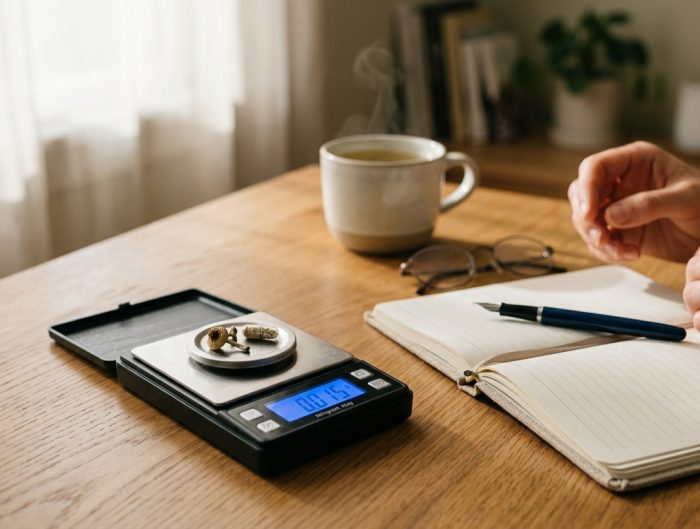
Your body’s metabolic processes don’t exist in isolation from your brain chemistry. When you introduce even a sub-perceptual amount of psilocybin – typically between 50 and 300 milligrams of dried mushroom material – you’re interacting with neurotransmitter systems that play direct roles in how your body regulates energy, hunger, and digestion. This isn’t some vague, hand-wavy connection. The pathways that psilocybin activates are the same ones your body uses to decide when you’re hungry, when you’re full, and how quickly you metabolize what you’ve eaten.
Think of it like adjusting the thermostat in your house by half a degree. You might not consciously feel the temperature change, but your heating system responds differently. Microdosing works on a similar principle: the dose is small enough that you don’t feel “altered,” but your neurochemistry still registers the input and adjusts accordingly. Those adjustments can ripple outward into appetite, cravings, and even how food tastes to you.
A 2025 RAND study estimated that 11 million U.S. adults used psilocybin in the past year, and among those users, a significant portion reported microdosing. With that many people experimenting, the anecdotal reports about appetite changes have become too consistent to ignore, even as formal research catches up.
Serotonin Receptors and Satiety Signals
Psilocybin’s primary mechanism involves the serotonin system, specifically the 5-HT2A receptor. This matters for appetite because serotonin is one of the key neurotransmitters your gut and brain use to communicate about fullness. Roughly 90% of your body’s serotonin is actually produced in your gastrointestinal tract, not your brain. So when you introduce a compound that mimics or modulates serotonin activity, you’re potentially influencing the very signals that tell you “I’m satisfied, stop eating.”
At microdose levels, this influence is gentle. You’re not flooding your receptors the way a full dose would. Instead, you’re giving them a slight nudge. Some people find that this nudge makes them more attuned to their body’s natural satiety cues – they notice fullness sooner, or they feel less compelled to eat past the point of comfort. Others experience the opposite: a slight disruption in those signals that leaves them feeling hungrier than usual, especially in the first few days of a new protocol.
The individual variability here is enormous, and it depends on your baseline serotonin activity, your gut microbiome, and even your genetics. If you tend to be someone who already has strong satiety signals, microdosing might amplify that. If your signals are weaker or more inconsistent, you might notice more fluctuation. Neither response is wrong – they’re just different starting points.
The Role of the Hypothalamus in Energy Balance
The hypothalamus is a small but powerful region of your brain that acts as a control center for hunger, thirst, body temperature, and energy expenditure. It receives input from hormones like leptin (which signals fat stores) and ghrelin (which signals an empty stomach), and it integrates that information to produce the subjective feeling of hunger or fullness.
Psilocybin, even at sub-perceptual doses, can influence hypothalamic function indirectly through its serotonergic activity. The 5-HT2C receptors in the hypothalamus are particularly relevant here – activation of these receptors tends to reduce appetite, while reduced activity at these sites can increase it. Microdosing likely produces a mild, variable effect on this system, which explains why some people eat less and others eat more.
Your hypothalamus also responds to stress hormones like cortisol. If microdosing reduces your baseline stress level – something many practitioners report – that alone could shift your energy balance. Chronic stress tends to increase appetite for calorie-dense foods, so even a modest reduction in cortisol activity could change what and how much you want to eat. This is one of those indirect pathways that people often overlook, but it’s a real and meaningful part of the picture.
Why Some Users Experience Increased Hunger
Not everyone who microdoses finds their appetite shrinking. Plenty of people report the opposite: they’re hungrier, they think about food more often, and meals feel more enjoyable. If this is your experience, you’re not doing anything wrong. There are clear reasons why microdosing might turn up the volume on your appetite, and understanding them can help you respond in a healthy way.
The key thing to remember is that increased hunger during microdosing isn’t necessarily a problem to solve. Sometimes it’s your body asking for more fuel because you’re more active, more engaged, or simply more present. The question isn’t whether your appetite has changed – it’s whether the change is serving you well or creating patterns you’d rather not reinforce.
Heightened Sensory Perception and Food Appeal
One of the most commonly reported experiences during microdosing is a subtle enhancement of sensory perception. Colors might seem a touch more vivid, music a bit richer, textures more interesting. This same heightening applies to taste and smell, which are the two senses most directly tied to your relationship with food.
When food tastes better, you naturally want more of it. A bowl of fresh strawberries that you’d normally eat absentmindedly might suddenly feel like a small event. The aroma of bread baking might stop you in your tracks. These aren’t dramatic, overwhelming experiences – they’re quiet shifts that make eating more pleasurable. And when eating is more pleasurable, your brain’s reward circuitry takes note.
This can be a genuinely positive development. Many people who microdose report that this sensory enhancement helps them enjoy whole, unprocessed foods more than they used to. A simple meal of roasted vegetables and rice becomes deeply satisfying in a way it wasn’t before. But it can also lead to overeating if you’re not paying attention, especially with foods that are already designed to be hyper-palatable (think chips, cookies, or anything with a lot of sugar and fat combined).
If you notice your appetite increasing, try paying attention to what you’re craving. If it’s real food – fruits, proteins, vegetables, grains – your body might genuinely need more nourishment. If it’s primarily processed snacks, the sensory enhancement might be amplifying reward-seeking patterns that are worth examining.
Dopaminergic Effects on Reward-Seeking Behavior
While psilocybin primarily targets serotonin receptors, there’s downstream activity in the dopamine system as well. Dopamine is the neurotransmitter most associated with motivation, anticipation, and reward. It’s the chemical that makes you want things, not just enjoy them. And food is one of the most fundamental dopamine-triggering rewards your brain knows.
Even a subtle increase in dopaminergic tone can make reward-seeking behaviors more pronounced. You might find yourself thinking about your next meal while you’re still finishing the current one, or you might feel a stronger pull toward comfort foods that you associate with pleasure. This isn’t a sign of weakness or lack of discipline – it’s neurochemistry doing what neurochemistry does.
The practical response here is awareness, not restriction. If you notice increased reward-seeking around food, try keeping a brief journal of what you eat and how it makes you feel. At Healing Dose, we emphasize journaling and reflection as core parts of any microdosing practice, and tracking your eating patterns fits naturally into that habit. You don’t need to count calories or obsess over macros. Just notice. Over time, the patterns will become clear, and you can adjust from a place of understanding rather than anxiety.
Understanding Microdosing as an Appetite Suppressant
On the other side of the spectrum, many microdosers find that their appetite decreases. They forget to eat, feel full faster, or simply lose interest in snacking between meals. This is probably the more commonly discussed experience in online microdosing communities, and it has some solid biological underpinning.
That said, it’s worth being honest about what we know and what we don’t. The appetite-suppressing experiences of microdosing are well-documented anecdotally but not yet thoroughly studied in controlled settings. Some people have drawn comparisons to GLP-1 receptor agonists (the class of drugs that includes semaglutide), but experts have been clear that “there is no rigorous scientific data to support GLP-1 microdosing” as a weight management strategy. The mechanisms are different, and conflating them does a disservice to both approaches.
What we can say is that the appetite-suppressing quality of microdosing, when it occurs, seems to stem from a combination of psychological and physiological factors rather than a single pharmacological pathway.
Anxiety Reduction and Emotional Eating
A huge portion of what we call “appetite” isn’t really about physical hunger at all. It’s about emotional regulation. Stress eating, comfort eating, boredom eating – these patterns are driven by your nervous system’s attempt to soothe itself, not by a genuine need for calories. Food, especially carbohydrate-rich and fatty food, triggers a temporary dopamine and serotonin response that feels calming. Your brain learns this association quickly and reinforces it over years.
If microdosing reduces your baseline anxiety – and many people report that it does, even subtly – you may find that the emotional drive to eat diminishes. You’re not white-knuckling your way through cravings. The cravings themselves become quieter because the underlying emotional need is being met in other ways. Maybe you’re more present, more creative, or simply less reactive to daily stressors. Whatever the mechanism, the downstream effect on eating can be significant.
This is one of the areas where integration practices really matter. If you notice that your emotional eating patterns are shifting, take time to reflect on what’s replacing them. Are you journaling? Moving your body? Connecting with people? The appetite change is a signal, not a destination. The real work is building sustainable habits that support you even on days when you’re not microdosing.
The Impact of Enhanced Focus on Meal Skipping
Here’s a pattern that catches people by surprise: microdosing can enhance your ability to concentrate and stay engaged with tasks, and when you’re deeply focused, you simply forget to eat. This isn’t appetite suppression in the traditional sense – your body still needs food. You’re just not hearing the signals because your attention is elsewhere.
This is particularly common among people who microdose in the morning and then dive into creative or analytical work. Hours pass, and suddenly it’s 2 PM and you haven’t eaten anything since breakfast. You might feel fine in the moment, but the cumulative effect of regularly skipping meals can lead to energy crashes, irritability, and nutrient deficiencies over time.
The fix is straightforward: set gentle reminders to eat. A phone alarm at noon, a sticky note on your monitor, or even just a habit of pausing every few hours to check in with your body. You don’t need to eat a huge meal if you’re not hungry, but having a small snack – some nuts, a piece of fruit, a handful of crackers with cheese – keeps your blood sugar stable and your brain fueled. Among those who used psilocybin, 69% reported microdosing at least once in the past year, which means a lot of people are navigating exactly this kind of daily practical challenge. You’re not alone in figuring it out.
Gastrointestinal Sensitivities and Nausea
This is the appetite topic that nobody loves talking about, but it’s real and it matters. Psilocybin-containing mushrooms contain chitin, a structural compound found in fungal cell walls that some people’s digestive systems struggle with. Even at microdose levels, this can cause mild nausea, bloating, or general GI discomfort, especially in the first hour or two after ingestion.
When your stomach feels off, your appetite naturally decreases. This isn’t a mysterious neurochemical effect – it’s your body saying “I’m dealing with something, please don’t add more.” For some people, this nausea is brief and manageable. For others, it can color their entire relationship with food on dosing days.
A few practical approaches can help. Taking your microdose with a small amount of food (rather than on a completely empty stomach) often reduces nausea significantly. Some people find that lemon tek preparation – soaking ground mushroom material in lemon juice for 15-20 minutes before consuming – helps break down some of the chitin and makes digestion easier. Ginger tea, taken alongside or shortly after your dose, is another time-tested remedy that many in the Healing Dose community swear by.
If nausea persists beyond the first week or two of a new protocol, it’s worth reconsidering your dose. You might be at the upper edge of what your body tolerates comfortably. Dropping from, say, 150 milligrams to 100 milligrams can sometimes eliminate GI discomfort entirely while still providing the subtle shifts you’re looking for. Remember, the goal of microdosing is to stay below the perceptual threshold – if your stomach is loudly protesting, that’s a signal worth listening to.
It’s also worth noting that some people’s GI sensitivity improves over time as their body adjusts, while for others it remains consistent. Neither pattern is unusual. The important thing is to track your experience honestly and adjust accordingly rather than pushing through discomfort in hopes that it will magically resolve.
Practical Strategies for Managing Dietary Changes
Whatever direction your appetite shifts – up, down, or sideways – having a few practical strategies in your back pocket makes the whole process less stressful. You don’t need to overhaul your entire diet or become obsessive about nutrition. Small, thoughtful adjustments go a long way.
The foundation here is self-awareness. If you’re already keeping a microdosing journal (and we strongly recommend it), adding a few notes about your eating patterns takes almost no extra effort but provides incredibly useful data over time. What did you eat today? When did you eat it? How hungry were you? How did you feel afterward? These simple observations, tracked over weeks, reveal patterns that are invisible day-to-day.
Mindful Eating and Nutrient Timing
Mindful eating isn’t about being perfect or following rigid rules. It’s about paying attention. And here’s the interesting thing: microdosing often makes paying attention easier. That subtle increase in present-moment awareness that many people describe? It applies to meals too.
Try this on your next dosing day: before you eat, take three slow breaths. Look at your food. Notice the colors and textures. Take your first bite slowly and actually taste it. You don’t have to do this for the entire meal – just the first few bites. This simple practice helps you tune into your body’s hunger and fullness signals, which is especially valuable when those signals might be shifting due to your microdosing protocol.
Nutrient timing matters more than most people realize, particularly on dosing days. Here’s a basic framework:
- Take your microdose in the morning, ideally with a small, easily digestible meal (toast with nut butter, a banana, or yogurt)
- Eat a balanced lunch within four to five hours, even if you don’t feel particularly hungry
- Have dinner at your normal time, focusing on protein and vegetables to support overnight recovery
- Keep healthy snacks accessible for moments when hunger spikes unexpectedly
This isn’t a rigid schedule. It’s a loose structure that ensures your body gets consistent fuel even when your appetite signals are doing something unexpected. Think of it as scaffolding, not a cage.
Hydration and Electrolyte Importance
Dehydration mimics hunger. This is one of those facts that sounds too simple to be important, but it trips people up constantly. When you’re slightly dehydrated, your body can send signals that feel identical to hunger pangs. If microdosing is already making your appetite signals less reliable, adding dehydration to the mix creates real confusion.
The fix is boring but effective: drink water consistently throughout the day. Aim for at least eight glasses, more if you’re active or live in a warm climate. Keep a water bottle at your desk, in your bag, wherever you spend your time. If plain water feels unappealing, add a slice of lemon or cucumber.
Electrolytes deserve attention too, especially if you find yourself eating less than usual. Sodium, potassium, and magnesium are essential for nerve function, muscle contraction, and energy production. If your food intake drops, your electrolyte intake drops with it. A pinch of sea salt in your water, a daily banana, or a small handful of almonds can help bridge the gap. Some people use electrolyte supplements on dosing days as a simple insurance policy.
One more thing about hydration: psilocybin, like many compounds, is processed through your liver and kidneys. Staying well-hydrated supports these organs in doing their job efficiently. It’s a small act of care for your body that pays dividends in how you feel overall.
When to Be Concerned: Monitoring Weight and Nutrition
Most appetite changes during microdosing are mild, temporary, and manageable. But there are situations where those changes warrant closer attention or even a conversation with a healthcare provider. Knowing where the line is helps you stay safe without becoming unnecessarily anxious.
If you notice unintentional weight loss of more than five pounds over a month, that’s worth investigating. Similarly, if you’re gaining weight rapidly and it feels disconnected from any intentional dietary change, pay attention. These shifts might be related to your microdosing practice, or they might be coincidental – but either way, they deserve your awareness.
Watch for signs of nutritional deficiency: persistent fatigue that doesn’t improve with rest, brittle nails, hair changes, frequent illness, or difficulty concentrating (beyond what’s normal for you). These can develop gradually when eating patterns shift, and they’re easy to miss if you’re not looking for them. A simple blood panel from your doctor can check for common deficiencies like iron, B12, vitamin D, and magnesium.
If you have a history of disordered eating, approach microdosing’s appetite-related experiences with extra care. The shifts in hunger, fullness, and food perception can interact with pre-existing patterns in complex ways. This isn’t a reason to avoid microdosing entirely, but it is a reason to be more intentional about monitoring and support. Consider working with a therapist or counselor who understands both disordered eating and psychedelic use.
Roughly 3% of American adults – around 8 million people – had used psilocybin in the past year as of recent estimates, and that number continues to grow. As more people explore this practice, the collective understanding of its effects on appetite and nutrition will deepen. For now, the best approach is honest self-observation, consistent journaling, and a willingness to adjust your protocol when something doesn’t feel right.
Your microdosing practice should support your overall wellbeing, and that includes your relationship with food. If appetite changes are causing stress, reducing your dose, adjusting your schedule, or taking a break from your protocol are all reasonable responses. There’s no award for pushing through discomfort, and the most experienced microdosers are often the ones who’ve learned to listen to their bodies with patience and respect.
If you’re just beginning to explore microdosing and want to find a starting point that accounts for your individual sensitivity and goals, take this short quiz to get a personalized recommendation. It’s designed to help you approach the process thoughtfully, at whatever pace feels right for you. The quieter you start, the more clearly you’ll hear what your body is telling you.