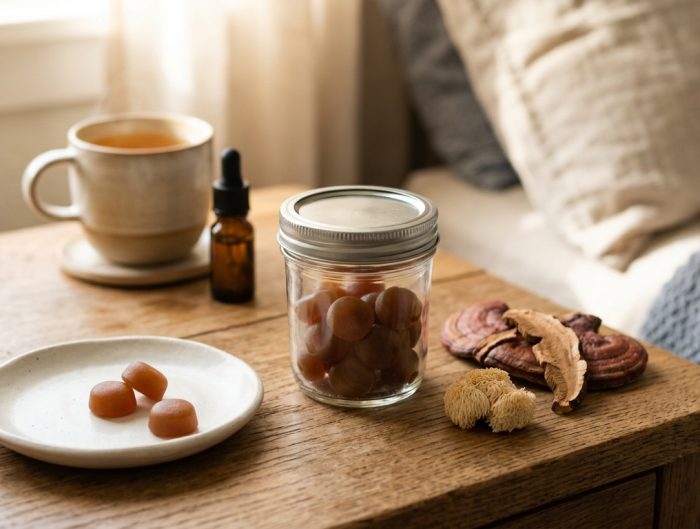
Parenting asks you to be emotionally available during moments when your own reserves feel completely drained. You’re managing tantrums, homework battles, bedtime negotiations, and your own internal weather, all before 8 PM. It’s no surprise that a growing number of parents are quietly exploring microdosing as a way to support patience, presence, and emotional steadiness throughout the day. But folding a microdosing practice into family life raises real questions about timing, privacy, and how to stay genuinely engaged with your kids. If you’ve been curious about how other parents approach this, you’re not alone, and you deserve honest, grounded guidance rather than hype.
The Modern Parenting Landscape and the Microdosing Shift
The conversation around microdosing has shifted significantly over the past few years. What was once associated almost exclusively with Silicon Valley productivity culture has found its way into parenting forums, therapy discussions, and personal growth communities. Parents aren’t looking for an escape from their responsibilities; they’re looking for a subtle edge in how they show up emotionally.
The cost barrier to formal psychedelic-assisted approaches remains steep. Supervised psilocybin sessions in Oregon can run between $850 and $3,000 per session, which puts them out of reach for many families. Self-managed microdosing, by contrast, costs a fraction of that, which partly explains why more parents are exploring it independently. But lower cost doesn’t mean lower responsibility. A thoughtful, safety-first approach matters even more when children share your household.
Understanding the Goals: Emotional Regulation and Patience
Most parents who microdose aren’t chasing euphoria or altered states. The goal is sub-perceptual: a gentle shift in emotional reactivity, like turning down the volume on irritability by a few notches. Think of it less like taking a medication and more like the difference between a morning where you had good sleep versus one where you didn’t. The changes are quiet: a slightly longer pause before reacting, a bit more patience during the third request to put on shoes, a softer internal tone when things get chaotic.
Dispelling Myths vs. Acknowledging Realities
Microdosing won’t make you a perfect parent. Some days, you’ll feel no noticeable difference at all. Other days, you might feel slightly overstimulated or jittery, similar to how caffeine affects people differently depending on sleep, stress, and diet. Honesty about this variability is essential. At Healing Dose, we emphasize that individual responses differ widely, and the only way to understand your own pattern is through consistent self-observation and journaling over weeks, not days.
Optimizing Timing for the Family Dynamic
Getting the timing right is one of the most practical challenges for parents who microdose. Your schedule isn’t your own: it’s dictated by school drop-offs, nap times, sports practices, and the unpredictable rhythms of small humans.
The ‘Early Bird’ Protocol: Dosing Before the Morning Rush
Many parents find that early morning dosing, roughly 60 to 90 minutes before the household wakes up, works best. This gives the subtle effects time to settle in before the first wave of demands hits. Two common approaches include the Stamets Stack and the Fadiman protocol, each with different dosing schedules. The Fadiman method, for example, suggests one dose day followed by two rest days, which many parents prefer because it creates clear “on” and “off” days they can plan around.
Managing the ‘After-School Slump’ and Evening Routines
The hours between 3 PM and bedtime are often the hardest stretch for parents. Kids are tired, hungry, and emotionally unfiltered. If you dosed in the morning, the subtle effects are likely winding down by this point, which is actually fine. The goal isn’t to be “on” all day: it’s to build cumulative patterns of emotional regulation that carry over into your baseline behavior over weeks and months. Many parents report that even on rest days, they notice a slightly wider window between stimulus and reaction.
Scheduling for Rest: Avoiding Sleep Interference
Sleep is sacred when you’re a parent, and psilocybin microdoses taken too late in the day can interfere with it. A general guideline is to avoid dosing after noon. Even sub-perceptual amounts can create a subtle physical buzz or gentle mental alertness that makes falling asleep harder. If you’re already sleep-deprived (and what parent isn’t?), protecting your rest is non-negotiable.
Maintaining Privacy and Safety in a Shared Household
Privacy and safety aren’t just personal preferences when kids are involved: they’re responsibilities. This section deserves careful attention.
Secure Storage Solutions for Child-Proofing
Any substance in a household with children needs to be stored securely, period. This applies equally to prescription medications, cleaning products, and microdosing materials. The Philadelphia Department of Public Health recommends that all medicines and substances be kept out of children’s reach using locked containers or high, inaccessible storage. A small lockbox in a closet or a combination-locked medicine cabinet works well. The Smart Choices, Safe Kids initiative also emphasizes that safe home storage practices should be treated as seriously as gun safety or pool fencing.
Navigating Conversations with Partners and Co-Parents
If you share parenting responsibilities with a partner or co-parent, transparency matters. This doesn’t mean you need to announce your practice at the dinner table, but your co-parent should ideally know what you’re doing and why. Frame it around your goals: emotional regulation, patience, personal growth. If you’re in a co-parenting situation post-separation, be aware that family courts are beginning to address psychedelic use in custody cases. The Association of Family and Conciliation Courts has published guidance for practitioners handling cases involving psychedelic use, which means this is a real legal consideration, not a hypothetical one.
Legal Considerations and Social Stigma Management
The legal status of psilocybin varies dramatically by jurisdiction. In some cities and states, it’s been decriminalized or regulated for therapeutic use; in others, it remains a Schedule I substance. Know your local laws. Beyond legality, social stigma is real. You don’t owe anyone an explanation about your personal wellness practices, but being discreet protects both your family and your peace of mind. Keep your practice private, keep your materials secure, and be thoughtful about who you confide in.
Cultivating Radical Presence During Play and Interaction
The whole point of microdosing as a parent, with its careful attention to timing, privacy, and presence, is to be more available to your children. Not performatively, but genuinely.
Moving from ‘Auto-Pilot’ to Active Engagement
Most of us spend a significant portion of our parenting hours on autopilot: physically present but mentally elsewhere. You’re pushing a swing while mentally composing an email. You’re reading a bedtime story while planning tomorrow’s schedule. Microdosing doesn’t magically fix this, but many parents describe a subtle shift in sensory awareness that makes it easier to notice when they’ve drifted. The key is pairing the microdose with an intentional practice: putting your phone in another room during play, making eye contact during conversation, or simply noticing the texture of your child’s hand in yours.
Sensory Awareness and Grounding Techniques
On dose days, you might find that grounding techniques feel more accessible. Try focusing on one sensory detail during an interaction with your child: the sound of their laugh, the color of the sky during a walk, the warmth of bathwater on your hands. These aren’t fancy mindfulness exercises; they’re small anchors that pull you back into the moment. Over time, this kind of sensory awareness can become habitual, carrying over into rest days and gradually reshaping how you experience ordinary parenting moments.
Self-Monitoring and Ethical Responsibility
Any practice that affects your mood and behavior carries ethical weight, especially when children depend on you. Self-monitoring isn’t optional: it’s the foundation of responsible microdosing.
Tracking Mood and Behavioral Changes Over Time
A simple journal works. Note the date, whether it’s a dose or rest day, your mood before and after key interactions, and any physical sensations. You don’t need to write essays: a few lines are enough. What you’re looking for are patterns that emerge over weeks. Did your patience during homework time improve? Did you notice more irritability on certain days? Healing Dose’s integration-focused approach emphasizes that the journal is where the real work happens: the microdose is just the starting point. Having harm reduction resources bookmarked is also a smart baseline safety measure.
Recognizing When to Take a Break or Adjust Dosage
If you notice increased anxiety, difficulty sleeping, or emotional flatness, those are signals to pause. Not every protocol works for every person, and not every season of parenting is the right time. If your child is going through a particularly intense developmental phase, or if you’re dealing with a major life stressor, it might be wise to step back and reassess. The goal is always to support your capacity as a parent, not to add another variable to an already complicated equation.
Integrating the Experience into Long-Term Parenting Growth
The most meaningful changes from microdosing don’t happen on dose days. They happen in the weeks and months that follow, as small shifts in emotional regulation compound into new patterns. Maybe you stop yelling during the morning rush. Maybe you start noticing your child’s bids for connection instead of brushing them off. These aren’t dramatic transformations: they’re quiet changes that your kids will feel even if they can’t name them.
The real measure of success isn’t how you feel on a microdose day. It’s how you show up on the days in between, and whether the patience and presence you’ve been cultivating have started to feel like your new normal rather than something you need a substance to access.
If you’re just beginning to explore this path and want to find a gentle starting range based on your goals and sensitivity, our short quiz can help you approach your first steps with care. Take the dose quiz and build from there, at your own pace.

You might also like