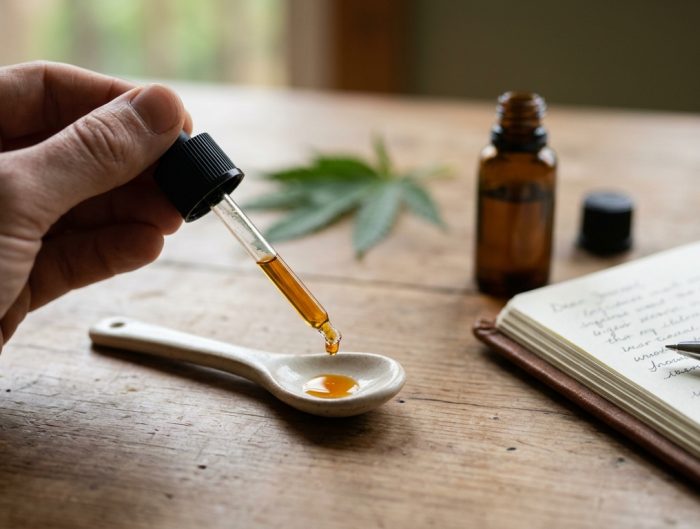
A growing number of athletes, weekend warriors, and fitness-curious individuals are quietly experimenting with sub-perceptual doses of psychedelics alongside their training routines. The interest isn’t driven by a desire to get high during a workout: it’s rooted in something much more nuanced. People are reporting subtle shifts in body awareness, motivation, and recovery that make their time in the gym or on the trail feel qualitatively different. Whether you’re a runner chasing a personal best or someone who just wants to feel more present during yoga, the intersection of microdosing and exercise is worth understanding clearly, including the potential benefits, the real risks, and the honest gaps in what we know.
At Healing Dose, we approach this topic the way we approach everything: with curiosity, caution, and a commitment to giving you information you can actually use. This isn’t about promising you superhuman performance or selling you on a magic pill. Some days, a microdose paired with movement feels like a quiet gift. Other days, it does absolutely nothing noticeable. That’s the reality, and we think you deserve to hear it straight. What follows is a thorough look at how microdosing may interact with physical activity across energy, recovery, and safety, so you can make informed choices at your own pace.
The Physiology of Microdosing in Athletic Performance
To understand why people are combining microdoses with exercise, you need a basic picture of what’s happening in the body at a physiological level. A microdose, typically defined as roughly one-tenth to one-twentieth of a full dose of a psychedelic substance, sits below what researchers call the “sub-perceptual threshold.” That means you shouldn’t experience visual distortions, altered thinking patterns, or any of the classic psychedelic experiences. Think of it like this: if a full dose is a loud concert, a microdose is the faintest hum of music from a neighboring room. You might not consciously notice it, but something in your nervous system is responding.
The primary substances people microdose for exercise are psilocybin (found in certain mushrooms) and LSD. Both interact with serotonin receptors, particularly the 5-HT2A receptor, which plays a role in mood regulation, cognitive flexibility, and how the brain processes sensory information. When these receptors are gently stimulated, the downstream effects can touch multiple systems relevant to physical performance: attention, pain perception, coordination, and emotional resilience during hard efforts.
Neurological Mechanisms and Flow State
One of the most commonly reported experiences among people who microdose before exercise is an easier entry into what psychologists call “flow state,” that feeling of being completely absorbed in an activity where effort feels almost automatic. Flow state research, pioneered by Mihaly Csikszentmihalyi, describes a mental zone where self-consciousness fades and performance feels effortless. Athletes chase this state constantly, and some microdosers report that sub-perceptual doses seem to lower the barrier to getting there.
The neurological basis for this likely involves the default mode network, or DMN, a brain network associated with self-referential thinking, rumination, and the internal monologue that often distracts us during physical effort. Psychedelics, even at very low doses, appear to quiet DMN activity. When your inner critic pipes down, it becomes easier to stay present with the physical sensations of movement rather than getting caught up in thoughts like “this is hard” or “I should stop.”
There’s also a serotonergic component. Serotonin influences motivation, mood, and the subjective feeling of well-being. A gentle nudge to serotonin activity might explain why some people describe their runs or lifting sessions as feeling “slightly sparkly” or more enjoyable without any perceptible alteration in consciousness. It’s not euphoria: it’s more like the difference between exercising because you have to and exercising because your body genuinely wants to move.
I should be honest here, though. The research on microdosing and flow state is still largely anecdotal and based on self-report surveys. Controlled studies are limited, and placebo effects are powerful. Some researchers suspect that the expectation of entering flow state may itself contribute to the experience. That doesn’t mean the phenomenon isn’t real for the people experiencing it, but it does mean we should hold these reports with open hands rather than treating them as established fact.
Influence on Proprioception and Motor Control
Proprioception, your body’s ability to sense its own position and movement in space, is fundamental to athletic performance. It’s what allows a rock climber to feel the precise angle of a foothold or a dancer to know exactly where their limbs are without looking. Some microdosers report a heightened sense of body awareness during exercise, describing it as feeling more “connected” to their movements.
This makes some theoretical sense. The 5-HT2A receptor activation caused by psychedelics influences sensory processing, and even at sub-perceptual doses, there may be a subtle enhancement in how the brain integrates signals from muscles, joints, and tendons. Yoga practitioners and martial artists, in particular, seem to notice this effect, possibly because their disciplines already demand a high degree of internal body awareness.
However, there’s a flip side. On days when a microdose feels slightly too strong, perhaps because of an empty stomach or individual sensitivity, some people report feeling slightly “off” in their coordination. This is uncommon at true microdose levels, but it’s a real possibility. If you’re doing anything that requires precise motor control, like heavy barbell work or technical climbing, even a slight disruption in proprioception could increase injury risk. Start conservatively and pay attention to how your body responds before combining microdosing with high-skill movements.
Boosting Energy and Endurance Levels
One of the most frequently discussed topics around microdosing and physical activity is energy. Not the jittery, caffeine-fueled kind, but a more sustained, grounded sense of vitality that people describe as making workouts feel less like a chore. This section breaks down what we know about how microdoses might influence perceived energy and endurance.
Perceived Exertion and Pain Thresholds
The concept of “rate of perceived exertion,” or RPE, is central to exercise science. RPE measures how hard you feel you’re working, regardless of what the objective data says. Two runners can be moving at the same pace, but one might rate the effort as a 6 out of 10 while the other rates it an 8. The difference is often psychological, shaped by mood, focus, fatigue, and pain perception.
Several anecdotal reports suggest that microdosing may lower perceived exertion during moderate-intensity exercise. The mechanism likely ties back to serotonin’s role in mood and pain modulation. When you feel slightly better emotionally, physical discomfort doesn’t register as loudly. It’s similar to how a great playlist can make a hard run feel easier: the actual physiological demand hasn’t changed, but your experience of it has shifted.
Pain threshold modulation is another piece of this puzzle. Serotonin pathways are deeply involved in how the brain processes pain signals. A subtle increase in serotonergic activity might raise the threshold at which discomfort becomes distressing, allowing you to push a little further before hitting that mental wall. Some endurance athletes have described this as feeling like they have “one more gear” available during long efforts.
But here’s the important nuance: lowered pain perception during exercise isn’t always a good thing. Pain exists to protect you from injury. If a microdose dulls the signal that your knee is starting to complain or that your form is breaking down under fatigue, you might push past a boundary your body is trying to enforce. This is especially relevant for people recovering from injuries or those new to high-intensity training. Listen to your body carefully, and don’t mistake a quieter pain signal for the absence of a problem.
Metabolic Efficiency and Stamina
The question of whether microdosing directly affects metabolic processes like fat oxidation, glycogen utilization, or VO2 max is one that current research simply can’t answer with confidence. There are no published studies measuring metabolic markers during exercise in microdosing participants. What we have instead are indirect clues and personal accounts.
Some people report feeling like they can sustain moderate efforts for longer periods, describing a gentle hum of energy that doesn’t spike and crash the way stimulants do. This could relate to improved focus and reduced mental fatigue rather than any direct metabolic enhancement. When your mind isn’t wandering or fighting the effort, you conserve mental energy, which in turn helps you sustain physical output.
There’s also a cortisol angle worth considering. Chronic stress elevates cortisol, which can impair endurance performance and accelerate fatigue. If microdosing helps reduce baseline anxiety and stress reactivity, as some users report, the downstream effect on cortisol levels could indirectly support better stamina over time. This is speculative, but it aligns with the broader picture of how psychological state influences physical capacity.
If you’re experimenting with this yourself, keep a simple training journal. Note your dose, the timing relative to your workout, your subjective energy level, and your performance metrics. Over weeks, patterns may emerge that help you understand whether microdosing is genuinely supporting your stamina or whether you’re experiencing a placebo effect. Both are valid: but knowing which one you’re dealing with helps you make better decisions.
Post-Workout Recovery and Inflammation
Recovery is where fitness gains actually happen. You don’t get stronger during a workout; you get stronger during the hours and days afterward, when your body repairs and adapts. The question of whether microdosing supports this recovery process is one that many active people are asking, and the answers are more interesting than you might expect.
Impact on Sleep Quality and Hormonal Balance
Sleep is the single most important recovery tool you have. During deep sleep, your body releases growth hormone, repairs muscle tissue, consolidates motor learning, and clears metabolic waste from the brain. Anything that improves sleep quality has a meaningful impact on athletic recovery.
Microdosing’s relationship with sleep is complicated. Some people report that microdose days lead to deeper, more restorative sleep. Others find that dosing too late in the day, particularly with LSD, can cause mild stimulation that disrupts falling asleep. The timing of your dose matters enormously here. Most experienced microdosers recommend morning dosing, ideally before 10 a.m., to avoid any interference with sleep architecture.
Hormonal balance is another factor. Testosterone, cortisol, and growth hormone all follow circadian rhythms that are sensitive to stress and sleep quality. If microdosing helps you manage stress more effectively and sleep more deeply, the hormonal cascade that supports recovery should function better. Some users describe waking up feeling more refreshed on the days following a microdose, though this is far from universal.
We at Healing Dose always emphasize that integration practices, like journaling before bed or doing a brief body scan, can amplify whatever recovery benefits you might be experiencing. The microdose itself is just one input. Your sleep hygiene, nutrition, and stress management practices are doing the heavy lifting.
Anti-inflammatory Properties of Psychedelics
This is where the science gets genuinely exciting, even if it’s still early. Preliminary research suggests that psilocybin and related compounds may have anti-inflammatory properties through their interaction with the 5-HT2A receptor and downstream effects on inflammatory cytokines like TNF-alpha and IL-6. A 2020 study published in the journal ACS Pharmacology & Translational Science found that psychedelic compounds reduced markers of inflammation in cell cultures.
For athletes, inflammation is a double-edged sword. Acute inflammation after exercise is necessary: it’s part of the repair and adaptation process. But chronic, low-grade inflammation from overtraining, poor recovery, or lifestyle factors can impair performance and increase injury risk. If microdosing helps modulate the inflammatory response, keeping it functional without letting it become excessive, that could be genuinely useful for active individuals.
Some people report reduced muscle soreness on microdose days, describing it as feeling like their body “bounces back” a little faster. This is anecdotal, and it’s difficult to separate from the mood-enhancing properties of microdosing, since feeling better emotionally can change how you perceive physical discomfort. Still, the emerging research on psychedelics and inflammation is one of the most promising areas of investigation, and it’s worth watching closely.
A practical note: don’t use microdosing as a replacement for established recovery practices. Adequate protein intake, hydration, sleep, and active recovery like walking or light stretching remain the foundation. Think of microdosing as a potential complement to these basics, not a substitute for them.
Protocol Design for Active Individuals
If you’re considering combining microdosing with your fitness routine, having a thoughtful protocol matters. Random dosing without structure makes it nearly impossible to assess what’s working and what isn’t. Here’s how to think about designing an approach that fits your training life.
Timing and Dosage for Training Cycles
The most common microdosing schedules are the Fadiman Protocol (one day on, two days off) and the Stamets Stack (four days on, three days off). For active individuals, the Fadiman Protocol often works well because it provides clear contrast between dose days and non-dose days, making it easier to notice differences in training quality.
Dosage ranges vary by substance. For psilocybin, a typical microdose falls between 0.05g and 0.2g of dried mushrooms. For LSD, it’s usually between 5 and 15 micrograms. These ranges are approximate: individual sensitivity varies as much as caffeine sensitivity does. Someone who feels jittery after half a cup of coffee will likely respond to psychedelics at the lower end of the range, while someone with a naturally higher threshold might need a bit more.
Timing relative to your workout is something you’ll want to experiment with. Many people find that dosing 60 to 90 minutes before exercise allows the subtle effects to be present during the session. Others prefer dosing on rest days, using those days for reflection and integration while letting the afterglow carry into the next training session. There’s no single right answer here.
One approach that works well for structured training: align your microdose days with your hardest or most technically demanding sessions. If Tuesday is your heavy squat day or your long run, that might be a good candidate for a dose day. Keep easier sessions on off days so you can compare how training feels with and without the microdose. Over the course of a month, you’ll have enough data points to start drawing personal conclusions.
Substance Selection: Psilocybin vs. LSD
Psilocybin and LSD are the two most commonly microdosed substances, and they have meaningfully different profiles when paired with exercise.
Psilocybin tends to produce a warmer, more body-centered experience. Users often describe it as grounding, with enhanced awareness of physical sensations. This makes it a popular choice for yoga, hiking, and activities that emphasize presence and body connection. The duration is shorter, typically 4 to 6 hours of subtle influence, which means it’s less likely to interfere with evening routines.
LSD, by contrast, tends to feel more energizing and mentally stimulating. It can enhance focus and drive, making it popular among runners, cyclists, and people doing high-volume training. The trade-off is duration: LSD’s effects, even at microdose levels, can linger for 8 to 12 hours. If you dose at 7 a.m., you might still feel a subtle physical buzz at 5 p.m. For some people, this extended window is a benefit. For others, especially those sensitive to stimulation, it can feel like too much.
A few other substances are worth mentioning briefly. Some people microdose with mescaline-containing cacti like San Pedro, which has a profile somewhere between psilocybin and LSD. Others experiment with DMT-containing ayahuasca analogs, though this is less common for exercise purposes due to the complexity of preparation and the potential for gastrointestinal discomfort.
If you’re just starting out, psilocybin is generally the gentler entry point. It’s easier to dose accurately with dried mushrooms and a precision scale, and the shorter duration gives you more control over the experience. You can always explore LSD later once you have a baseline understanding of how your body responds.
Safety Considerations and Risk Management
No honest conversation about microdosing and exercise is complete without a thorough discussion of safety. The potential benefits are interesting, but they don’t matter if you’re putting yourself at risk. This section covers the most important considerations.
Cardiovascular Stress and Heart Rate Monitoring
Both psilocybin and LSD interact with serotonin receptors, including the 5-HT2B receptor, which is expressed in heart valve tissue. Chronic stimulation of this receptor has been linked to cardiac valvulopathy in other contexts, most notably with the weight-loss drug fenfluramine. While microdoses involve far less receptor stimulation than therapeutic or recreational doses, the long-term cardiovascular implications of regular microdosing are genuinely unknown.
If you have a pre-existing heart condition, a family history of cardiac issues, or you’re taking medications that affect serotonin levels (particularly SSRIs or MAOIs), you should approach this with extreme caution and consult a healthcare provider. The interaction between SSRIs and psychedelics is complex, and combining them can potentially lead to serotonin syndrome, a serious and potentially dangerous condition.
For healthy individuals, monitoring your heart rate during exercise on microdose days is a smart practice. Some people report a slightly elevated resting heart rate on dose days, typically 5 to 10 beats per minute above baseline. During exercise, this can translate to hitting higher heart rate zones more quickly. If you’re doing heart rate zone training, be aware that your zones might effectively shift on dose days.
A chest strap heart rate monitor is more accurate than a wrist-based optical sensor for this purpose. Track your heart rate data over several weeks to see if patterns emerge. If you notice consistently elevated heart rates that don’t correspond to increased effort, that’s a signal to reduce your dose or take a break from the protocol.
Dehydration is another practical concern. Some microdosers report feeling less thirsty on dose days, possibly because the subtle mood enhancement masks the body’s thirst signals. Make a conscious effort to hydrate before, during, and after exercise, regardless of whether you feel thirsty.
Legal Implications and Ethical Sourcing
The legal status of psilocybin and LSD varies dramatically by jurisdiction. In most of the United States, both substances remain Schedule I controlled substances at the federal level. Some cities and states have decriminalized psilocybin possession, and Oregon has created a regulated framework for supervised psilocybin use. But decriminalization is not the same as legalization, and the legal landscape is shifting rapidly.
If you’re a competitive athlete, be aware that psychedelics are not currently on the World Anti-Doping Agency (WADA) prohibited list, but this could change as microdosing gains more attention in athletic communities. Staying informed about the rules governing your specific sport is your responsibility.
Sourcing is an ethical and safety consideration that doesn’t get enough attention. If you’re obtaining psilocybin mushrooms, knowing what species and strain you’re consuming matters for dosing accuracy. Wild-foraged mushrooms carry the risk of misidentification, which can be dangerous. Cultivated mushrooms from a known source allow for much more consistent dosing. For LSD, the challenge is different: without laboratory testing, you can’t be certain of the substance or its concentration on a blotter tab. Reagent testing kits are an inexpensive way to verify that what you have is actually LSD and not a potentially harmful substitute.
We always encourage people to approach sourcing with the same care they’d bring to anything they put in their body. If you wouldn’t eat food from an unknown, unverified source, apply the same standard to psychedelic substances.
The Future of Performance Enhancement and Longevity
The conversation around microdosing and physical performance is still in its early chapters. Clinical research is beginning to catch up with the anecdotal reports that have been circulating in athletic and wellness communities for years. Several universities now have active research programs investigating psychedelics, and it’s only a matter of time before controlled studies specifically examine the relationship between microdosing, exercise performance, energy levels, and recovery markers.
What excites me most isn’t the possibility of microdosing as a performance enhancer in the traditional sense. It’s the potential for it to change people’s relationship with movement itself. So many people struggle with exercise motivation, body image issues, or the mental grind of consistent training. If a sub-perceptual dose of psilocybin helps someone actually enjoy their morning walk, or feel present during a stretching routine they’d otherwise skip, that’s a meaningful contribution to long-term health and longevity, even if it never shows up as a measurable performance gain.
The longevity angle is worth considering too. Chronic inflammation, poor sleep, elevated stress hormones, and lack of physical activity are among the strongest predictors of accelerated aging and disease. If microdosing supports better sleep, lower stress reactivity, reduced inflammation, and a more positive relationship with exercise, the cumulative effect over years could be significant. We’re not talking about dramatic, overnight changes. We’re talking about quiet shifts in baseline patterns that compound over months and years.
The most important thing you can do right now is stay curious, stay cautious, and stay honest with yourself about what you’re experiencing. Keep a journal. Note the days that feel great and the days that feel like nothing happened. Track your training metrics alongside your dosing schedule. Over time, you’ll build a personal dataset that’s far more useful than any generic recommendation.
If you’re new to microdosing and want to find a starting point that accounts for your body, your goals, and your sensitivity level, Healing Dose has a short quiz that can help you approach this thoughtfully. Take the quiz here to find a gentle starting range that fits your situation.
Your body is the ultimate laboratory. Treat it with respect, move with intention, and give yourself permission to go slowly. The quiet changes are often the ones that last.

You might also like