Oregon became the first state to create a regulated framework for psilocybin services when voters passed Measure 109 in 2020, and the program has been serving clients since mid-2023. If you’ve been curious about how psilocybin therapy works in Oregon, you’re not alone: an estimated 20,000 clients have already participated in supervised sessions. The process can feel mysterious from the outside, but the structure is actually straightforward once you understand the pieces. Whether you’re considering a session yourself or simply want to understand what this program looks like in practice, this guide walks you through every step, from legal foundations to what happens inside the room.
Oregon Measure 109 and the Legal Framework
Measure 109, approved by Oregon voters in November 2020, directed the state to build a supervised-access model for psilocybin services. The law didn’t create a free-for-all; it established a tightly regulated system where adults can consume psilocybin mushrooms only at licensed service centers, under the direct supervision of a trained facilitator. The measure gave the Oregon Health Authority (OHA) two years to develop rules, and the first service centers opened their doors in mid-2023.
The Role of the Oregon Health Authority (OHA)
The OHA oversees every layer of the program. It writes and enforces the rules for licensing facilitators, approving service centers, and testing psilocybin products. The agency also manages an ongoing tracking system for the program’s growth, monitoring how many licenses are active, how many sessions are conducted, and where services are available across the state. Think of OHA as the regulatory backbone: it sets the standards that keep the program accountable and safe.
Distinction Between Medical and Adult-Use Models
One of the most common misconceptions is that Oregon’s program is a medical model. It isn’t. You don’t need a diagnosis, a prescription, or a doctor’s referral. The framework is sometimes called “adult-use,” but that term can be misleading too, since it’s nothing like walking into a cannabis dispensary. A more accurate description is “supervised access”: you must go through preparation, consume psilocybin on-site with a facilitator present, and complete an integration session afterward. There’s no take-home option. This structure was intentionally designed to prioritize safety while keeping the experience accessible to people who don’t have a clinical diagnosis but are seeking personal growth or emotional exploration.
The Three Pillars of a Psilocybin Session
Every psilocybin session in Oregon follows a three-part structure: preparation, administration, and integration. This isn’t optional or flexible. The law requires all three components, and understanding them ahead of time can help you feel grounded before you walk through the door.
Preparation: Setting Intentions and Screening
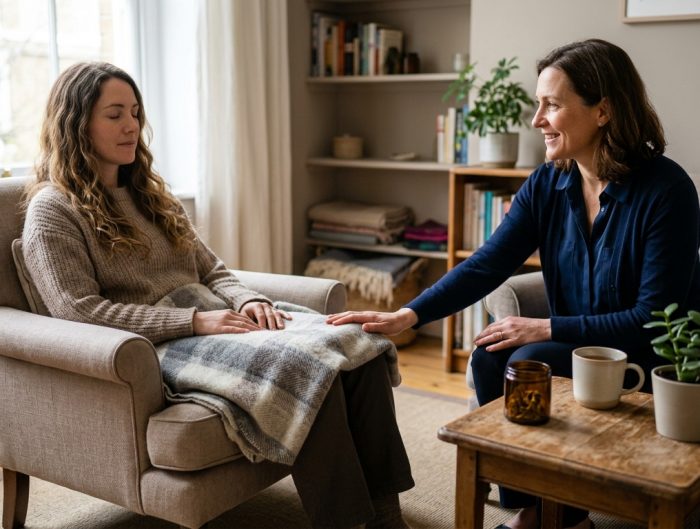
Before your session, you’ll meet with your facilitator for a preparation appointment. This is where you discuss your intentions, your mental health history, and any medications you’re currently taking. The facilitator will screen for contraindications (more on that below) and help you understand what to expect during the experience itself.
This meeting is also your chance to ask questions and get comfortable with the person who will be in the room with you. At Healing Dose, we emphasize that preparation isn’t just a checkbox: it’s an opportunity to clarify what you’re hoping to explore and to build trust with your facilitator. Journaling before this meeting can help you articulate your intentions more clearly.
Administration: The Supervised Journey
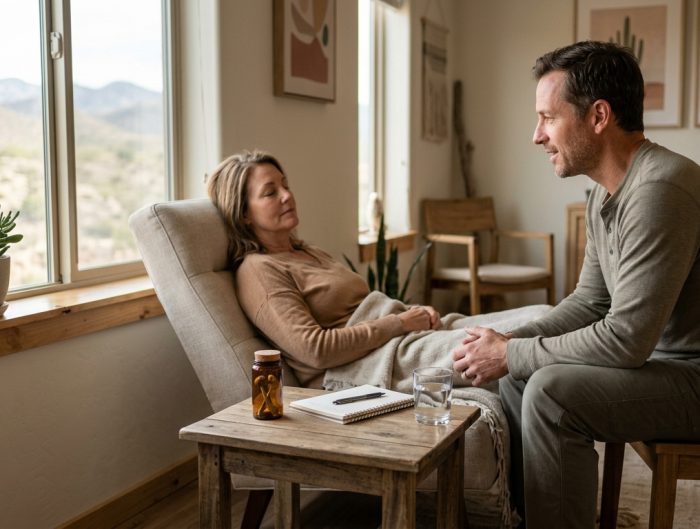
The administration session is the experience itself. You’ll consume a measured dose of psilocybin mushrooms at a licensed service center, and your facilitator will remain present throughout. Sessions typically last four to six hours, though some centers allow longer windows. The facilitator won’t guide your experience in a therapeutic sense: they’re there to hold space, ensure your physical safety, and offer support if you feel distressed.
Doses vary, and you’ll discuss the right amount with your facilitator during preparation. Some people choose a lower dose for a gentler experience, while others opt for a higher dose. The mushrooms themselves must pass rigorous product testing standards before they reach any service center, so you know exactly what you’re consuming.
Integration: Processing the Experience
Integration is the third required component, and many facilitators consider it the most important. Within a few days of your session, you’ll meet with your facilitator again to talk through what came up. This is where the real work happens: making sense of emotions, images, or insights that surfaced and figuring out how to carry them into your daily life.
We see this reflected in the broader psychedelic education space too. At Healing Dose, we consistently emphasize that a single experience, no matter how profound it feels in the moment, doesn’t automatically translate into lasting change. Integration through journaling, reflection, and honest self-assessment is what turns a temporary shift into something that sticks over weeks and months.
Licensing and Safety Requirements
Oregon didn’t build this program on good intentions alone. The licensing and safety infrastructure is extensive, and understanding it can give you confidence that the system has real guardrails.
Facilitator Training and Ethical Standards
Every facilitator must complete a training program approved by the OHA, which includes coursework in pharmacology, safety protocols, ethics, cultural competency, and hands-on practicum hours. The industry has been refining these standards continuously since the program launched, tightening requirements as real-world data comes in.
Facilitators are bound by a code of ethics that prohibits sexual contact with clients, requires informed consent, and mandates clear boundaries around the facilitator-client relationship. If you’re evaluating a facilitator, don’t hesitate to ask about their training background and ethical commitments. A good facilitator will welcome those questions.
Licensed Service Centers and Product Testing
Service centers must hold a valid OHA license to operate. These are the physical locations where administration sessions take place, and they must meet specific requirements for safety, accessibility, and privacy. The psilocybin products served at these centers come from licensed manufacturers and undergo laboratory testing for potency, contaminants, and consistency.
This testing matters. Unlike unregulated sources, where you have no way to verify what you’re actually consuming, the Oregon system ensures that every product meets defined quality standards before it reaches you.
Eligibility and Access for Participants
You don’t need to be an Oregon resident to participate, and you don’t need a medical referral. But there are still eligibility criteria you should understand before booking a session.
Age Requirements and Residency Status
You must be 21 or older to access psilocybin services in Oregon. There’s no residency requirement, which means people travel from across the country to participate. This has made Oregon a destination for people in states where no legal framework exists, though it also raises questions about equity and access for local communities.
Medical Contraindications and Safety Protocols
During your preparation session, your facilitator will screen for conditions that could make psilocybin unsafe. People with a personal or family history of psychotic disorders, such as schizophrenia, are generally advised against participating. Certain medications, particularly lithium and some other psychiatric drugs, can interact dangerously with psilocybin.
If you’re taking SSRIs or other antidepressants, the picture is more nuanced. These medications may reduce the intensity of the experience rather than create a dangerous interaction, but this is something to discuss honestly with your facilitator. Don’t skip this conversation or withhold information: your safety depends on it.
Current Challenges and the Future of the Program
Oregon’s program is a first-of-its-kind experiment, and it’s still working through significant growing pains. Understanding these challenges gives you a more realistic picture of what the program can and can’t deliver right now.
Cost Barriers and Equity Initiatives
A single psilocybin session in Oregon can cost anywhere from $700 to over $3,500, and insurance doesn’t cover it. That price includes the preparation meeting, the administration session, and the integration follow-up. Data shows that clients tend to skew wealthier, which raises real concerns about who actually benefits from this program.
Several organizations and service centers are working on sliding-scale pricing, scholarship funds, and community-access programs to address this gap. The OHA has also faced scrutiny over proposed annual fee increases for licensees, which could push costs even higher for consumers if service centers pass those fees along.
Federal Law Conflicts and Local Opt-Outs
Psilocybin remains a Schedule I substance under federal law, which creates a persistent tension with Oregon’s state-level program. Federal agencies have largely taken a hands-off approach so far, but the legal conflict hasn’t been resolved.
At the local level, many Oregon counties and cities have opted out of allowing psilocybin service centers within their borders. This means that even though the program is statewide in theory, access is concentrated in certain areas, particularly the Portland metro region and a handful of other communities. If you’re planning to participate, check whether service centers are operating near your intended location.
Where the Program Stands, and Where You Can Start
Oregon’s psilocybin program represents something genuinely new: a legal, regulated, safety-first framework for supervised psilocybin experiences. It’s not perfect. Costs are high, access is uneven, and the federal question lingers. But for the thousands of people who have already participated, the three-part structure of preparation, administration, and integration offers something that unregulated settings simply can’t: accountability, tested products, and trained human support.
If you’re curious about psilocybin but not ready for a full supervised session, exploring microdosing at your own pace can be a thoughtful starting point. You can take the dose quiz to find a gentle starting range based on your goals, experience, and sensitivity. It’s a small step, but sometimes the smallest steps are the ones that matter most.

You might also like