A growing number of adults over 50 are quietly exploring microdosing as a way to support cognitive sharpness, emotional well-being, and quality of life. If you’re in this age group and curious, you’re far from alone, and your questions about safety, drug interactions, and appropriate protocols are exactly the right ones to ask. The considerations for older adults who microdose are genuinely different from those facing someone in their twenties or thirties, and those differences deserve careful, honest attention.
The Evolving Landscape of Psychedelics and Aging
Defining Microdosing in a Geriatric Context
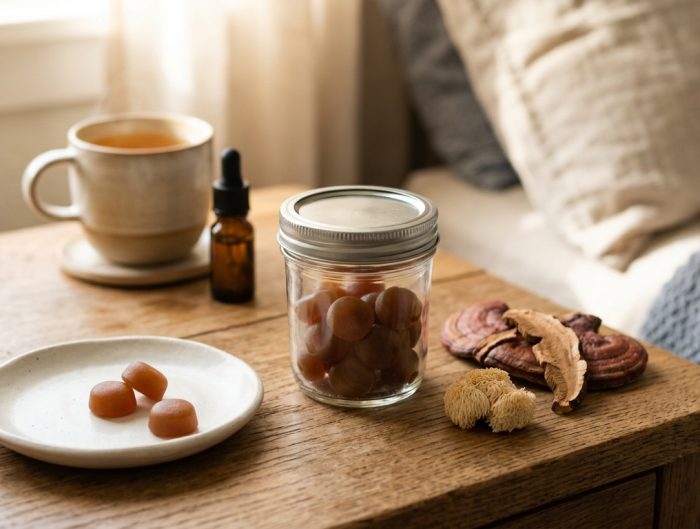
Microdosing refers to taking a sub-perceptual amount of a psychedelic substance, typically psilocybin or LSD, at a dose low enough that you don’t feel any noticeable alteration in consciousness. Think of it as the difference between sipping a quarter cup of coffee and drinking four espressos: the goal is a gentle, barely-there nudge rather than anything dramatic. For older adults, this definition matters even more because age-related changes in liver metabolism, kidney function, and body composition can shift how your body processes these compounds.
What counts as “sub-perceptual” for a 30-year-old might feel distinctly perceptual for a 70-year-old. Typical psilocybin microdoses range from 50 to 200 milligrams of dried mushroom material, but older adults often find their sweet spot at the lower end of that range. Your body’s sensitivity is not a weakness: it’s information worth respecting.
Shifting Cultural Perceptions Among Baby Boomers
Many adults now in their sixties and seventies had their first encounters with psychedelics during the 1960s and 70s, which means this isn’t entirely unfamiliar territory. What has changed is the framing. Hallucinogen use among adults aged 50 to 64 has seen a reported doubling in specific older sub-demographics over the last three years, reflecting a broader cultural shift away from stigma and toward curiosity. Boomers who once explored these substances recreationally are now returning with more intentional, wellness-oriented goals: better sleep, sharper memory, relief from persistent low mood. This generational re-engagement is reshaping conversations in retirement communities, senior wellness groups, and even some forward-thinking medical practices.
Potential Therapeutic Benefits for the Aging Brain
Addressing Age-Related Cognitive Decline and Neuroplasticity
One of the most compelling reasons older adults explore microdosing is the emerging research on neuroplasticity, the brain’s ability to form new neural connections. As we age, this capacity naturally diminishes, contributing to slower processing speed and memory difficulties. Psilocybin and related compounds appear to promote the growth of dendritic spines, the tiny structures on neurons that facilitate communication between brain cells. While most of this research has been conducted in animal models or with younger populations, the theoretical implications for aging brains are significant enough to warrant attention. At Healing Dose, we always emphasize that these are promising signals, not confirmed outcomes, and that individual variability plays a huge role in what you might notice.
Managing Late-Life Depression and Social Isolation
Depression in older adults often looks different than it does in younger people. It can show up as withdrawal, loss of interest in activities, persistent fatigue, or a vague sense that life has lost its color. Social isolation, especially after retirement, the loss of a spouse, or reduced mobility, compounds these feelings. Some older adults who microdose report a subtle but meaningful shift in how connected they feel to others and to daily activities: a quiet return of curiosity rather than any dramatic emotional overhaul. These reports align with broader psychedelic research showing mood-related benefits, though controlled studies specifically focused on geriatric populations remain limited.
Chronic Pain Management and Inflammation Reduction
Chronic pain is one of the most common experiences among older adults, and conventional pain management often involves medications with serious side-effect profiles. Early research suggests that psilocybin may have anti-inflammatory properties and could modulate pain perception through serotonin receptor activity. Some older microdosers describe a subtle reduction in the “volume” of their pain, not its disappearance, but a shift in how much space it occupies in their awareness. This is worth exploring with realistic expectations: microdosing is not a replacement for pain management protocols, but it may offer a complementary layer of support for some individuals.
Critical Medical Considerations and Safety Protocols
Polypharmacy and Potential Drug Interactions
Here’s where things get serious, and where older adults need to be especially cautious. If you’re over 60, there’s a reasonable chance you take multiple medications daily: blood pressure drugs, statins, blood thinners, antidepressants, or diabetes medications. Psilocybin and LSD both interact with the serotonin system, and combining them with SSRIs, SNRIs, or MAOIs can create dangerous interactions, including serotonin syndrome, a potentially life-threatening condition.
Key interactions to be aware of:
- SSRIs and SNRIs (fluoxetine, sertraline, venlafaxine): These can both blunt microdosing effects and increase serotonin-related risks
- Lithium: Strongly contraindicated with psychedelics due to seizure risk
- Blood thinners (warfarin): Potential metabolic interactions that could alter drug levels
- Tramadol: Elevated seizure risk when combined with serotonergic substances
Never adjust or discontinue prescribed medications to accommodate microdosing. If you’re considering this path, an honest conversation with a healthcare provider is essential, not optional.
Cardiovascular Health and Stimulant Effects
Psychedelics, even at micro-level doses, can have mild stimulant properties that affect heart rate and blood pressure. For a healthy 35-year-old, a slight uptick in heart rate is trivial. For someone managing atrial fibrillation, hypertension, or a history of cardiac events, even small cardiovascular changes deserve scrutiny. If you have any heart condition, this is a non-negotiable conversation to have with your cardiologist before exploring microdosing. Morning dosing is generally preferred because it allows you to monitor how you feel throughout the day, and because stimulant-like properties are less likely to interfere with sleep.
Psychological Readiness and Set and Setting
Navigating Existential Anxiety and End-of-Life Reflections
Microdosing later in life can bring up emotional material that younger practitioners rarely encounter. Questions about mortality, legacy, unresolved grief, and the meaning of a life already largely lived can surface with surprising clarity, even at sub-perceptual doses. This isn’t necessarily a problem: many older adults describe these reflections as valuable and even welcome. But if you’re currently processing a major loss, facing a serious diagnosis, or experiencing significant anxiety, it’s worth building a support structure before you begin.
Set and setting, the psychological mindset and physical environment in which you microdose, matter just as much for a 70-year-old as for anyone else. A quiet morning at home with a journal is a very different container than a chaotic family gathering. At Healing Dose, we consistently emphasize integration practices like journaling and structured reflection because the microdose itself is only half the equation. What you do with the subtle shifts in perspective is where the real personal growth happens, and this tends to unfold over weeks and months rather than in a single session.
Practical Guidance for Senior Microdosing
Start Low, Go Slow: Dosing Thresholds for Older Adults
The most important principle for older adults exploring microdosing is to start with the lowest possible dose and increase only after careful observation. A reasonable starting point for psilocybin might be 50 milligrams of dried mushroom material, roughly half of what many younger adults begin with. Wait at least two full cycles (typically following a one-day-on, two-days-off protocol) before considering any increase.
Keep a simple log tracking:
- Time of dose and amount
- Physical sensations throughout the day (energy, appetite, any discomfort)
- Mood and emotional tone (even if nothing seems different, note that)
- Sleep quality that night
- Any medication interactions you suspect
This data becomes invaluable over time. Patterns that are invisible on any single day often become clear after three or four weeks of consistent tracking.
The Importance of Medical Supervision and Integration
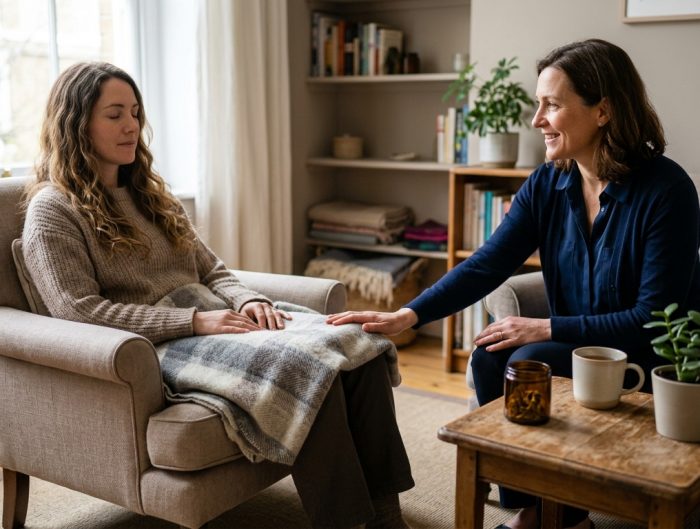
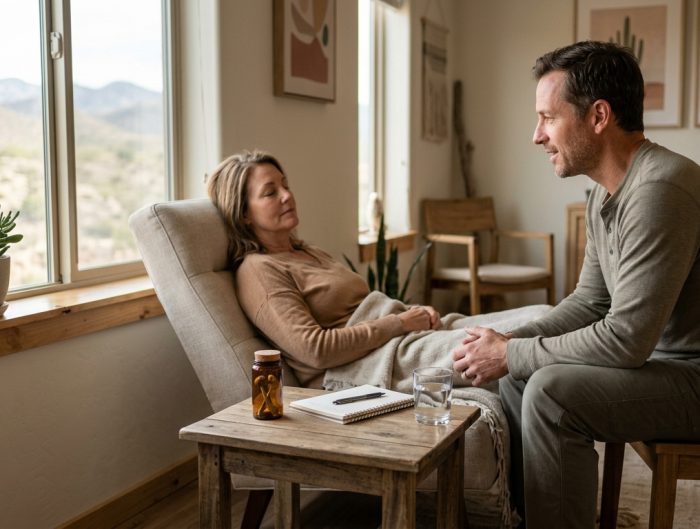
Working with a healthcare provider who is at least open to discussing psychedelics is genuinely important for older adults, not just as a safety measure, but as a way to contextualize your experiences within your broader health picture. Some integrative medicine practitioners and psychedelic-informed therapists now specifically work with older populations. If your primary care doctor isn’t receptive, look for practitioners who specialize in psychedelic integration or geriatric mental health.
Integration, the practice of reflecting on and making meaning from your experiences, is especially powerful for older adults who bring decades of life experience to the process. A weekly check-in with a trusted friend, therapist, or integration circle can help you distinguish between genuine subtle shifts and wishful thinking.
Legal Frameworks and Ethical Access for the Elderly
The legal status of psychedelic substances varies enormously depending on where you live. In 2026, several jurisdictions in the United States, Canada, and Australia have created regulated access pathways for psilocybin, though most of these are structured around supervised therapeutic sessions rather than take-home microdosing. Oregon’s regulated psilocybin services program and Colorado’s expanding framework represent the most accessible legal options in the U.S., though both involve costs that can be prohibitive for seniors on fixed incomes.
Ethical access is a real concern. Older adults who could benefit most from these approaches often face the highest barriers: cost, mobility limitations, digital literacy gaps that make finding reliable information harder, and physicians who remain uncomfortable discussing the topic. Advocacy organizations are pushing for insurance coverage and sliding-scale access, but progress is slow. In the meantime, educating yourself through trustworthy, non-sensationalized sources remains your best tool for making informed decisions.
The path forward for older adults curious about microdosing is one of patience, self-awareness, and honest self-assessment. Your body and your life circumstances are unique, and what works for someone else may not be right for you. Start with education, talk to your doctor, and if you decide to move forward, treat the process with the same care and attention you’d bring to any significant health decision. If you’d like help finding a gentle starting range based on your goals, experience, and sensitivity, you can take the dose quiz to approach microdosing thoughtfully and at your own pace. The quietest, most careful approach is almost always the wisest one.

You might also like