Oregon became the first state in the country to create a legal, regulated framework for psilocybin services, and the program has now been operating long enough to reveal what the experience actually looks like from the inside. If you’ve been curious about what happens during a regulated psilocybin session in Oregon, how the program is structured, or whether it’s something you could realistically access, you’re in the right place. We’ll walk through every layer of this program: the legal foundation, the session itself, the people who guide you through it, and what it all costs. Whether you’re seriously considering a session or simply want to understand how Oregon’s model works, this guide is built for you.
The Legal Landscape: Understanding Measure 109
Oregon voters passed Measure 109 in November 2020, creating the first state-regulated system for adult psilocybin use in the United States. The measure didn’t decriminalize psilocybin broadly or make it available over the counter. Instead, it established a tightly controlled framework where adults 21 and older can consume psilocybin mushrooms only at licensed service centers, under the direct supervision of a trained facilitator. No prescription is needed, but you can’t take psilocybin home with you, and every session happens on-site.
The Role of the Oregon Health Authority (OHA)
The Oregon Health Authority oversees the entire program, from licensing service centers and facilitators to setting safety standards and tracking outcomes. OHA maintains a public data dashboard that reports session numbers, adverse events, and demographic information. This level of transparency is unusual for a new program and gives both participants and researchers a clear picture of how things are going. OHA also reviews and updates rules as the program matures, responding to feedback from facilitators, clients, and public health experts.
Therapeutic Framework vs. Medical Prescription
One detail that confuses a lot of people: Oregon’s psilocybin program is not a medical program. You don’t need a diagnosis, a referral, or a doctor’s note. The framework is sometimes described as “therapeutic” in the sense that it’s guided and intentional, but it operates outside the traditional healthcare system. This distinction matters because it means insurance doesn’t cover sessions, and facilitators are not acting as therapists or physicians. They’re trained guides whose role is to create a safe container for your experience, not to diagnose or prescribe.
The Anatomy of a Regulated Psilocybin Session
A regulated session in Oregon isn’t a walk-in experience. It’s a multi-stage process designed to prepare you, support you during the session, and help you make sense of what happened afterward.
Mandatory Preparation and Screening
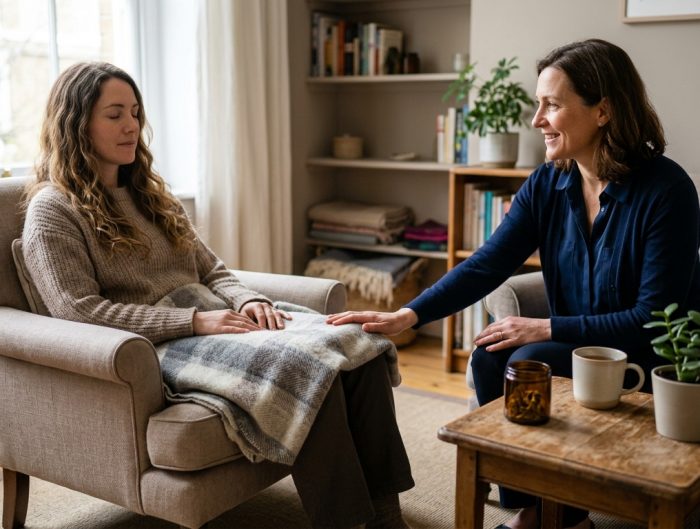
Before you sit down for a psilocybin session, you’ll go through a required preparation appointment. This isn’t a casual intake form. Your facilitator will review your physical and mental health history, discuss your intentions, explain what to expect, and screen for conditions that might make psilocybin inadvisable, such as a personal or family history of psychotic disorders. This conversation also helps your facilitator understand your comfort level and tailor the session environment to your needs. Think of it as building a relationship of trust before a vulnerable experience.
The Administration Session Experience
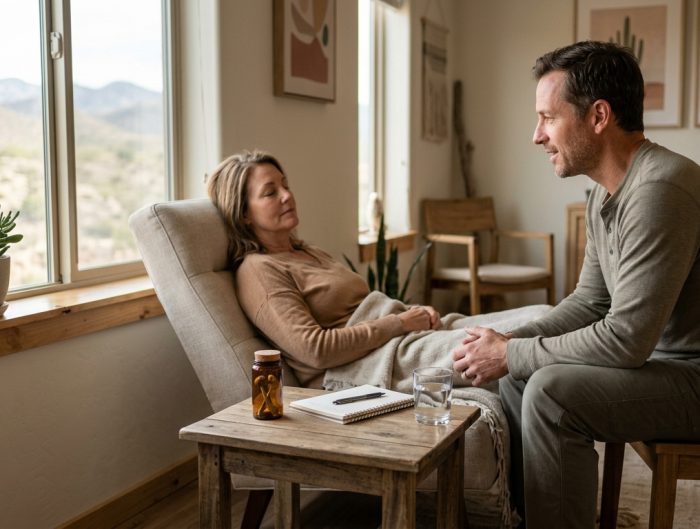
The session itself typically lasts four to six hours, though some centers allow for longer windows. You’ll consume psilocybin mushrooms (in whole, dried, or processed form) at the service center, and your facilitator stays with you the entire time. The setting varies by center: some offer quiet rooms with soft lighting and music, while others take place in more naturalistic environments. Your facilitator won’t direct your experience or interpret it for you. Their job is to be a steady, reassuring presence, someone who can help if you feel overwhelmed and who ensures your physical safety throughout.
Post-Session Integration and Support
After the psilocybin’s effects subside, you’ll have an integration conversation with your facilitator. This is where you begin to process what came up during your session, whether that’s emotional material, new perspectives, or simply a sense of quiet clarity. Many people find that the real work happens in the days and weeks after a session, as you sit with what you experienced and consider how it connects to your daily life. At Healing Dose, we emphasize that integration through journaling, reflection, and self-awareness is what turns a single session into lasting personal growth. Without that active participation, even a profound experience can fade quickly.
Types of Licensed Service Centers in Oregon
Not every psilocybin service center looks the same. The program has attracted a range of operators, and the setting you choose can significantly shape your experience.
Urban Wellness Clinics
Several licensed centers operate in Portland and other Oregon cities, offering sessions in clinical or wellness-studio settings. These tend to feel more structured: clean, private rooms with comfortable furniture, curated playlists, and a professional atmosphere. Urban clinics are often more accessible for people who live in or near metro areas and prefer a familiar, contained environment. Some clinics also offer group preparation sessions, which can reduce costs slightly.
Nature-Based Rural Retreats
Oregon’s rural landscape has drawn operators who design their centers around natural settings: forests, farmland, mountain views. These retreats often feel more immersive and may include time outdoors before or after the session. For people who find nature calming or who want a more spacious, unhurried experience, a rural retreat can be a strong fit. The trade-off is travel time and, in some cases, higher costs due to the overhead of maintaining a rural property. The number of licensed service centers continues to grow, with new locations opening across the state as demand increases.
Facilitator Qualifications and Safety Protocols
The people guiding you through a psilocybin session in Oregon aren’t volunteers or self-taught enthusiasts. They’ve completed a rigorous, state-mandated training program.
Training and Ethical Standards
Oregon requires facilitators to complete at least 160 hours of approved training, covering pharmacology, safety protocols, ethics, cultural sensitivity, and trauma-informed care. Research from OHSU has helped establish best practices for supervised psilocybin, and these findings inform the training curriculum. Facilitators must also pass a background check and maintain their license through ongoing education. Ethical standards prohibit facilitators from engaging in dual relationships with clients, making claims about specific outcomes, or providing therapy during sessions.
Emergency Procedures and Client Safety
Safety data from the program is encouraging. Over 99% of sessions have occurred without a state-defined adverse event, and medical adverse events have been reported at an extremely low rate. Every licensed center is required to have emergency protocols in place, including access to medical support if needed. Facilitators are trained to recognize signs of psychological distress and to use grounding techniques to help clients through difficult moments. If you’re nervous about safety, this track record is genuinely reassuring, though it’s always wise to be honest during your screening about any health concerns.
Access, Costs, and Future Outlook
The Oregon psilocybin program is real, it’s operational, and it’s producing meaningful data. But it’s not without barriers, and understanding those is just as important as understanding the experience itself.
Breaking Down the Financial Investment
This is where many people hit a wall. A full psilocybin session in Oregon, including preparation and integration, typically costs between $700 and $3,500, depending on the center, the facilitator, and the length of the session. Some centers offer sliding-scale pricing or group sessions to bring costs down, but this remains an out-of-pocket expense. OHA has also proposed annual fee increases for service center licenses, which could affect pricing as the program evolves. If cost is a concern, it’s worth contacting multiple centers directly to ask about payment options.
Equitable Access and Community Impact
The cost barrier raises real questions about who can actually participate in Oregon’s regulated program. Early data suggests that sessions have been disproportionately accessed by higher-income, white participants, a pattern that advocates and policymakers are working to address. Some service centers have launched equity programs, and there’s ongoing discussion about how to make the program more inclusive. If equitable access matters to you, and it should, look for centers that are actively working on this issue and consider supporting organizations that fund access for underserved communities.
Where Oregon’s Program Goes From Here
Oregon’s regulated psilocybin program has moved from theory to practice, and the early results are promising: strong safety data, growing public interest, and an expanding network of licensed centers. The program isn’t perfect, and cost and access remain real challenges, but it represents a thoughtful, safety-first model that other states are watching closely.
If you’re exploring psilocybin for the first time, whether through Oregon’s program or through microdosing on your own, the most important step is starting with honest self-reflection about your goals, your sensitivity, and your readiness. At Healing Dose, we believe that careful, informed exploration matters far more than rushing toward any single experience. If you’re curious about where to begin with microdosing, our short quiz can help you find a gentle starting range based on your individual needs. Take the dose quiz and approach the process at your own pace.

You might also like