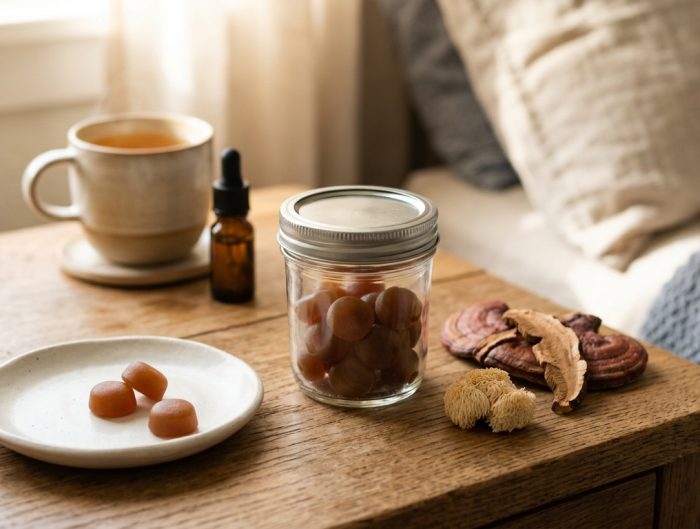
There’s something quietly satisfying about turning dried mushrooms into a warm cup of tea. The ritual of boiling water, measuring ingredients, and steeping your brew brings a sense of intentionality that eating dried fungi straight from a bag simply doesn’t offer. If you’ve been curious about how to make magic mushroom tea but felt unsure where to start, you’re in the right place. This guide walks you through everything: from why tea is a preferred method for many people, to the specific steps for brewing, dosing, and storing your preparation safely. Whether you’re a cautious beginner or someone looking to refine your process, the goal here is clarity, safety, and respect for the experience. At Healing Dose, we believe preparation matters just as much as the substance itself, and a thoughtful brewing ritual is one of the simplest ways to bring that intention into practice. Let’s get you comfortable with the process, one step at a time.
Why Brew Magic Mushroom Tea?
You might be wondering why anyone would bother brewing tea when you could just eat the mushrooms directly. It’s a fair question, and the answer comes down to two major factors: how your body feels during the experience, and how quickly and predictably the experience begins. Many people who’ve tried both methods report that tea offers a noticeably smoother ride, both physically and mentally. The brewing process partially breaks down the chitin cell walls of the mushroom material before it enters your stomach, which means your digestive system has less heavy lifting to do.
Tea also gives you more creative control. You can blend flavors, adjust strength, and even share a pot with a friend while knowing roughly how much each person is consuming. There’s a communal, grounding quality to sitting with a warm mug that sets a very different tone than chewing on dried caps and stems. For people who approach psilocybin with care and intention, this matters.
The ritual itself can become part of your preparation. Boiling the kettle, grinding the material, choosing your herbs: these small acts slow you down and create space for reflection before the experience even begins. That’s not a trivial benefit. Mindset and environment play enormous roles in shaping psilocybin experiences, and a calm, deliberate brewing process helps set both.
Reducing Nausea and Digestive Discomfort
If you’ve ever eaten dried mushrooms on an empty stomach, you probably remember the queasy, heavy feeling that can settle in during the first 30 to 60 minutes. This nausea is one of the most common complaints, and it’s largely caused by chitin, the tough structural compound found in fungal cell walls. Your stomach produces an enzyme called chitinase to break this down, but it works slowly and inefficiently in many people.
Brewing tea sidesteps much of this problem. When you steep ground mushroom material in hot water, you’re extracting the psilocybin and other active compounds into the liquid while leaving most of the indigestible chitin behind in the solid material. After straining, you’re drinking a much gentler preparation. Many people report that nausea drops dramatically or disappears entirely with this method.
This is especially relevant if you have a sensitive stomach or if past experiences with raw mushrooms left you feeling uncomfortable during the onset. Nobody wants to spend the first hour of an experience hunched over and feeling sick. Tea won’t eliminate every possible source of discomfort, since individual biology varies widely, but it consistently ranks as one of the most stomach-friendly consumption methods available.
Faster Onset and Controlled Duration
One of the more practical advantages of tea is timing. When you eat dried mushrooms, the psilocybin has to be broken down in your stomach and converted to psilocin by your liver before you feel anything. This process typically takes 30 to 60 minutes, sometimes longer depending on what else you’ve eaten that day. With tea, the active compounds are already dissolved in water, which means your body absorbs them more quickly: often within 15 to 25 minutes.
This faster onset also tends to produce a slightly shorter overall duration. Where eating raw mushrooms might produce a four to six hour experience, tea often compresses that window to roughly three to four hours. For some people, this is a significant advantage. A shorter, more predictable timeline can feel more manageable, especially if you’re newer to psilocybin or prefer not to commit an entire day to the experience.
The trade-off is worth understanding, though. A faster onset can feel more intense in the first hour, since the same amount of psilocybin is being absorbed in a compressed timeframe. If you’re sensitive or working with a dose you haven’t tried before, start conservatively. You can always brew another cup, but you can’t un-drink the first one.
Essential Ingredients and Equipment
Getting your setup right before you start brewing saves you from scrambling around the kitchen mid-process. The good news is that you don’t need anything fancy. Most of what you need is probably already in your home, and the few specialty items are inexpensive and easy to find.
Here’s what you’ll want to have ready:
- A kettle or small saucepan for heating water
- A coffee grinder, herb grinder, or mortar and pestle
- A fine mesh strainer, cheesecloth, or a reusable tea bag
- A mug or teapot
- A kitchen scale that reads in grams (ideally to 0.1g precision)
- Your dried mushroom material
- Tea bags of your choice (ginger, chamomile, and green tea are popular options)
- Honey, lemon juice, or other flavor additions
- A thermometer (optional, but helpful for temperature control)
The kitchen scale is non-negotiable. Eyeballing doses with psilocybin mushrooms is genuinely risky because potency varies between individual mushrooms, even within the same batch. A 0.1-gram difference might not sound like much, but it can meaningfully shift the intensity of your experience. Invest in a decent digital scale if you don’t already own one.
Choosing Your Mushroom Strain
Not all psilocybin mushrooms are created equal, and the strain you choose will influence both potency and character. The most widely available and commonly recommended strain for beginners is Psilocybe cubensis, specifically varieties like Golden Teacher and B+. These are known for moderate, relatively predictable potency and a forgiving experience profile.
Golden Teacher, in particular, has earned its reputation for a reason. It tends to produce a gentler, more introspective experience compared to higher-potency strains. If you’re making mushroom tea for the first time, this is a solid starting point. B+ is similarly approachable, with users often describing it as warm and easygoing.
On the other end of the spectrum, strains like Penis Envy and Albino Penis Envy are significantly more potent: sometimes estimated at 1.5 to 2 times the psilocybin content of standard cubensis varieties. If you’re working with a high-potency strain, you need to adjust your dose downward accordingly. This is where your kitchen scale becomes critical. What constitutes a moderate dose of Golden Teacher could be an overwhelming dose of Penis Envy.
If you’re unsure about your strain’s potency, err on the side of caution. You can always have a second cup. You can’t undo a dose that was too strong.
Flavor Enhancers and Herbal Additives
Let’s be honest: mushroom tea on its own doesn’t taste great. It’s earthy, slightly bitter, and has a flavor profile that most people wouldn’t choose for pleasure. The good news is that you can dramatically improve the taste without affecting potency.
Ginger is the most popular addition, and for good reason. It tastes good, it’s warming, and ginger has well-documented anti-nausea properties that complement the stomach-soothing benefits of the tea method. Fresh ginger sliced thin works best, but ground ginger or ginger tea bags are perfectly fine alternatives.
Chamomile is another excellent choice. It adds a mild, floral sweetness and has a calming quality that pairs nicely with the intention behind most psilocybin experiences. Green tea adds a pleasant base flavor, though keep in mind that it contains caffeine, which some people prefer to avoid in this context.
Honey is the go-to sweetener. Add it after the steeping process, once the tea has cooled slightly, to preserve its flavor. Lemon juice is another common addition: it adds brightness and may also play a role in converting psilocybin to psilocin before you drink it (more on this in the Lemon Tek section). Avoid adding milk or cream, as some anecdotal reports suggest dairy may interfere with absorption, though the evidence on this is limited.
Step-by-Step Brewing Instructions
This is the heart of the guide. Follow these steps carefully, especially your first few times, and you’ll end up with a consistent, well-prepared cup every time. The process is simple, but the details matter.
Preparing and Grinding the Mushrooms
Start by weighing your dried mushrooms on your kitchen scale. Decide on your dose before you begin (see the dosage section below for guidance), and measure precisely. Once weighed, you’ll want to break the material down into the smallest pieces possible. This increases the surface area exposed to hot water, which means better extraction of the active compounds.
A coffee grinder works best for this. A few short pulses will reduce dried mushrooms to a coarse powder. If you don’t have a grinder, use scissors to cut the material into small pieces, or place it in a plastic bag and crush it with a rolling pin. A mortar and pestle also works well if you prefer a more hands-on approach.
The finer the grind, the more efficient your extraction will be. You don’t need to achieve a perfect powder: a coarse, tea-like consistency is fine. Just avoid leaving large chunks, as these won’t steep as effectively and you’ll lose some potency to the material you strain out later.
Place your ground mushroom material into a mug, a teapot, or a reusable tea infuser. If you’re using a tea infuser or cheesecloth pouch, fill it loosely enough that water can circulate freely through the material.
The Steeping Process and Temperature Control
This step is where people most commonly make mistakes, and the main risk is using water that’s too hot. Psilocybin begins to degrade at very high temperatures, so you want to avoid pouring boiling water directly onto your mushroom material. The ideal water temperature is between 160°F and 180°F (70°C to 82°C). If you have a thermometer, use it. If not, a simple rule of thumb: bring your water to a full boil, then let it sit for two to three minutes before pouring.
Pour the hot water over your ground mushrooms and let the mixture steep for 10 to 15 minutes. Stir it occasionally to help the extraction process. Some people prefer to do two shorter steeps instead of one long one: steep for seven minutes, strain, then pour fresh hot water over the same material for another seven minutes. This double-extraction method can pull out more of the active compounds, especially from coarser grinds.
During steeping, you can add your flavor enhancers. Drop in a ginger tea bag, a few slices of fresh ginger, or a chamomile sachet. These will infuse alongside the mushroom material and help mask the earthy taste.
Don’t rush this step. Letting the material steep fully is the difference between a potent cup and a weak one. Set a timer and resist the urge to skip ahead.
Straining and Serving
Once your steeping time is complete, strain the liquid to remove the solid mushroom material. If you used a tea infuser or cheesecloth pouch, simply lift it out and let it drain. If you steeped the ground material directly in the mug, pour the liquid through a fine mesh strainer or a piece of cheesecloth into a clean cup.
Press the spent material gently with a spoon to squeeze out any remaining liquid. There’s still good stuff in there, and you don’t want to leave it behind. Some people choose to eat the strained material as well, but this largely defeats the purpose of brewing tea for stomach comfort. If you’ve done a thorough extraction, most of the psilocybin will be in your liquid.
Add honey or lemon juice to taste. Let the tea cool to a comfortable drinking temperature: you don’t need to chug it, but don’t let it sit for hours either. Drink it over the course of 10 to 20 minutes. Sipping slowly can help you ease into the onset and gives you a chance to notice how your body is responding before you’ve finished the entire cup.
If you’re sharing with someone, divide the tea evenly and note how much dried material went into the total batch so each person knows their approximate dose.
Optimizing Potency with Lemon Tek
You may have heard of “Lemon Tek” as a way to intensify the experience, and there’s real chemistry behind it. The technique involves soaking your ground mushroom material in fresh lemon or lime juice for 15 to 20 minutes before adding hot water. The citric acid in the juice is thought to convert psilocybin into psilocin, which is the compound actually responsible for the psychoactive experience. Normally, your liver handles this conversion after ingestion, but pre-converting it means your body absorbs the active compound more directly and more quickly.
The practical result is a faster onset (sometimes as quick as 10 to 15 minutes), a more intense peak, and a shorter overall duration. This can be appealing if you want a more concentrated experience, but it’s not the best choice for beginners or anyone unfamiliar with their sensitivity to psilocybin.
To use this method with tea, simply place your ground material in a small glass, cover it with the juice of one or two fresh lemons, and let it sit at room temperature for 15 to 20 minutes. Stir it a few times during this period. Then add your hot water (at the same 160°F to 180°F range), steep for 10 minutes, strain, and serve as usual.
A word of caution: because Lemon Tek compresses the experience into a shorter window, the peak can feel significantly stronger than the same dose consumed without lemon. If you decide to try this method, reduce your dose by 25 to 30 percent compared to what you’d normally use. You can always work your way up in future sessions once you understand how your body responds. This kind of gradual, respectful approach to dosing is something we emphasize consistently at Healing Dose: start low, observe carefully, and adjust over time.
One more practical note: the lemon juice adds a tart, sour flavor to the tea. Honey helps balance this out nicely, and ginger pairs especially well with the citrus notes.
Dosage Guidelines and Safety Precautions
Getting your dose right is the single most important factor in having a positive, manageable experience. Everything else: the brewing method, the flavor additions, the setting: matters less than this. Take the time to understand dosing before you brew your first cup.
Calculating Dose for Liquid Consumption
Dosing for tea is based on the weight of dried mushroom material you start with, not the volume of liquid you end up with. If you steep 2 grams of dried mushrooms in one cup of water or two cups of water, the total psilocybin content is the same: it’s just more or less diluted.
For standard Psilocybe cubensis strains like Golden Teacher, here are general dose ranges based on dried weight:
- Microdose: 0.1g to 0.3g (sub-perceptual: you shouldn’t feel noticeably altered)
- Low dose: 0.5g to 1.0g (a subtle physical buzz, mild shifts in mood or perception)
- Moderate dose: 1.5g to 2.5g (noticeable perceptual changes, emotional depth, introspection)
- Strong dose: 3.0g to 5.0g (intense, potentially overwhelming for inexperienced users)
If you’re new to psilocybin, start at the low end. A dose of 1.0 to 1.5 grams brewed into tea is a reasonable first exploration for most people. You’ll feel something meaningful without being overwhelmed, and you’ll learn a lot about your personal sensitivity.
Remember that tea may produce a faster, slightly more intense onset compared to eating raw mushrooms. A dose that felt gentle when eaten might feel more pronounced as tea, especially if you’ve added lemon juice. Factor this into your planning.
If you’re interested in microdosing specifically, the sub-perceptual threshold varies from person to person. What feels like nothing to one person might produce a gentle hum of energy or a slightly sparkly quality of attention for another. This kind of individual variability is similar to caffeine sensitivity: some people feel jittery after half a cup of coffee, while others can drink a double espresso and go straight to sleep. Finding your personal sweet spot takes patience and honest self-observation.
Set, Setting, and Responsible Use
No dosage guide is complete without talking about context. “Set and setting” refers to your mindset (set) and your physical environment (setting), and these two factors shape your experience as much as the dose itself.
Choose a day when you don’t have obligations, stressors, or time pressure. Clear your schedule. Tell someone you trust what you’re doing, even if they’re not present. Have water, comfortable blankets, calming music, and a journal nearby. These aren’t luxuries: they’re basic safety measures.
Your mindset matters enormously. If you’re feeling anxious, grieving, or emotionally raw, a psilocybin experience may amplify those feelings rather than soothe them. This isn’t necessarily harmful, but it can be difficult to sit with, especially without experience. Be honest with yourself about where you are emotionally before you begin.
A few hard safety rules:
- Never combine psilocybin with alcohol, MDMA, or lithium-based medications
- Avoid psilocybin if you have a personal or family history of psychotic disorders
- Don’t drive or operate machinery during or for several hours after your experience
- Have a sober, trusted person available by phone or in person, especially for moderate or strong doses
- Start with a lower dose than you think you need
Integration is the work that happens after the experience. Journaling within 24 hours, reflecting on what came up, and noticing how your baseline mood or thought patterns shift over the following days and weeks: this is where the real value lives. A single experience might produce interesting insights, but without active reflection, those insights tend to fade. At Healing Dose, we consider integration just as important as preparation, and we encourage everyone to build a simple reflection practice around their experiences.
Best Practices for Storage and Cleanup
If you’ve brewed more tea than you plan to drink in one sitting, or if you want to prepare a batch in advance, proper storage matters. Psilocybin degrades over time when exposed to heat, light, and oxygen, so your goal is to minimize all three.
Leftover tea can be stored in the refrigerator in a sealed glass jar or container for up to five to seven days. Some people freeze their tea in ice cube trays for longer storage, which works well as long as you label the trays clearly and keep them away from anything a child or unsuspecting housemate might grab. Frozen tea cubes can be thawed and reheated gently (remember: keep the temperature below 180°F) when you’re ready to use them.
Dried mushroom material that hasn’t been brewed should be stored in an airtight container in a cool, dark place. A mason jar with a desiccant packet works well. Properly stored dried mushrooms can retain their potency for a year or more, though some gradual degradation is inevitable.
For cleanup, wash all equipment thoroughly with hot water and soap. If you used a coffee grinder, run a small amount of dry rice through it to clean out residual mushroom material. Wipe down your workspace and dispose of strained mushroom material in your compost or trash.
A practical note on discretion: if you live with others who aren’t aware of your practice, label your storage containers in a way that’s clear to you but not alarming to someone who might open the fridge looking for leftovers. Common sense goes a long way here.
Keep a small notebook or digital log of each brew you make. Record the strain, the weight of material used, the steeping time, any additives, and your subjective experience afterward. Over multiple sessions, this log becomes incredibly valuable. You’ll start to see patterns in what works best for your body and your intentions, and you’ll be able to replicate your ideal preparation with confidence.
Your Next Step
Brewing psilocybin mushroom tea is one of the gentlest, most intentional ways to work with these compounds. The process is simple, the equipment is minimal, and the benefits over eating raw mushrooms: reduced nausea, faster onset, better taste, and more control: make it worth the small extra effort. What matters most isn’t perfecting your technique on the first try. It’s approaching the entire process with patience, respect, and honest curiosity about your own experience.
If you’re exploring microdosing and want help finding a starting dose that matches your goals and sensitivity, our short quiz can point you in the right direction. Take the quiz here to find a gentle range that works for you.
Start small. Pay attention. Write things down. The quiet changes that emerge over time are often the ones that matter most.

You might also like