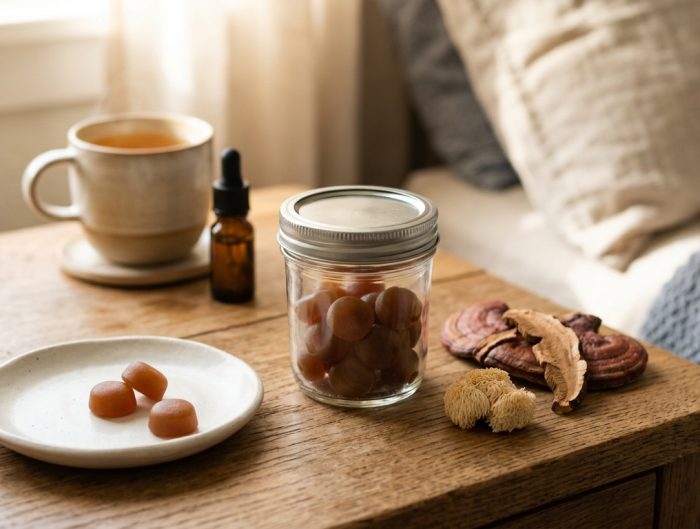
Psilocybin-infused chocolate has become one of the most talked-about topics in the psychedelic wellness space, and for good reason. These products combine the active compound found in certain species of mushrooms with the familiar, comforting format of a chocolate bar, making the experience of consuming psilocybin feel more approachable and less intimidating than chewing dried fungi. Whether you’re a cautious beginner curious about microdosing or someone exploring larger ceremonial doses, understanding what you’re putting into your body matters more than any trend or marketing claim. The information here is designed to help you make grounded, informed decisions, not to push you toward a particular product or outcome. At Healing Dose, we believe that education and self-awareness should always come before experimentation. So take your time with this guide, and remember: there’s no rush.
Understanding Psilocybin Chocolate Bars and How They Work
The concept is straightforward on the surface: take psilocybin mushrooms, grind them into a fine powder, and incorporate that powder into a chocolate recipe. But the reality is more nuanced than that simple description suggests.
Psilocybin chocolate bars typically contain a measured amount of psilocybin-containing mushroom material distributed throughout the chocolate. The goal is to provide a more consistent, palatable, and predictable way to consume psilocybin compared to eating raw or dried mushrooms. Some bars are divided into scored squares, each containing a specific dose, which can make it easier to control how much you take.
The quality of these products varies enormously. Some are made by experienced practitioners using lab-tested mushroom material. Others are produced with little oversight, inconsistent dosing, or even synthetic compounds disguised as natural psilocybin. This variability is one of the most important things to understand before you ever consider trying one.
The Science of Psilocybin and Psilocin
Psilocybin itself is actually a prodrug, which means it isn’t the compound that directly produces psychoactive experiences. When you ingest psilocybin, your body converts it through a process called dephosphorylation into psilocin. Psilocin is the molecule that interacts with serotonin receptors in your brain, particularly the 5-HT2A receptor, which plays a role in mood, perception, and cognition.
This conversion happens primarily in your gut and liver. The speed and efficiency of this process depends on several individual factors: your metabolism, whether you’ve eaten recently, your body composition, and even your unique enzyme activity. This is why two people can eat the same amount from the same bar and have noticeably different experiences.
Think of it like caffeine sensitivity. Some people drink a double espresso at 8 PM and sleep fine. Others have half a cup in the morning and feel jittery for hours. Psilocin sensitivity works on a similar principle of individual biological variability, though the mechanisms are different.
At sub-perceptual doses (typically between 50 and 300 milligrams of dried mushroom material), psilocin’s activity at the 5-HT2A receptor is thought to promote subtle shifts in neural connectivity without producing the visual or perceptual distortions associated with higher doses. This is the foundation of microdosing: the idea that very small amounts can support mood flexibility, creative thinking, and emotional awareness without dramatically altering your state of consciousness.
Why Chocolate is a Popular Delivery Method
There are practical and biochemical reasons why chocolate has become the preferred vehicle for psilocybin consumption. On the practical side, chocolate masks the bitter, earthy taste of dried mushrooms, which many people find unpleasant. A chocolate bar also feels familiar and non-threatening, which can reduce the anxiety some people feel before their first experience.
From a biochemical perspective, chocolate contains compounds that may complement psilocybin’s activity. Cacao is rich in theobromine, a mild stimulant related to caffeine, and contains trace amounts of anandamide, sometimes called the “bliss molecule” because it binds to cannabinoid receptors. Some researchers and practitioners suggest that these compounds create a synergistic interaction with psilocybin, though rigorous clinical evidence for this specific combination remains limited as of 2026.
Fat content also matters. Psilocybin and psilocin are somewhat soluble in fats, and the cocoa butter in chocolate may help with absorption. This is similar to how some vitamins are better absorbed when taken with a fatty meal. The result can be a smoother onset compared to eating dried mushrooms on an empty stomach, though individual responses still vary.
One practical advantage that often gets overlooked is portability and discretion. A chocolate bar looks like any other chocolate bar. It doesn’t require preparation, doesn’t smell distinctive, and can be stored easily. For people in jurisdictions where psilocybin remains illegal or exists in a legal gray area, this matters, though it also raises concerns about accidental consumption by children or uninformed adults, a topic we’ll address later.
Dosage Guidelines and Consumption Safety
Getting the dose right is arguably the single most important factor in having a positive experience with psilocybin in any form. Too little and you might feel nothing. Too much, especially without preparation, and you could find yourself in an overwhelming and distressing state. Chocolate bars add a layer of complexity because dosing accuracy depends entirely on how well the mushroom material was distributed during production.
With a whole dried mushroom, you can weigh it on a scale and have reasonable confidence in your measurement. With a chocolate bar, you’re trusting that the manufacturer evenly distributed the psilocybin throughout the chocolate. In professionally made products, this is usually the case. In homemade or unregulated products, one square might contain significantly more active material than another. This inconsistency is a real safety concern.
If you’re new to this, start with the lowest available dose and wait. Patience is your best friend here. You can always take more another day, but you can never take less once it’s in your system.
Microdosing vs. Macrodosing with Edibles
These two approaches represent fundamentally different intentions and experiences.
Microdosing involves taking a very small amount of psilocybin, typically between 50 and 300 milligrams of dried mushroom equivalent. The goal is to stay below the sub-perceptual threshold, meaning you shouldn’t feel “high” or experience visual changes. Instead, people who microdose often describe a subtle physical buzz, a gentle hum of energy, or a slightly sparkly quality to their awareness. Some days, honestly, nothing noticeable happens at all, and that’s completely normal.
A common microdosing protocol involves taking a dose every third day: one day on, two days off. This schedule, popularized by researcher James Fadiman, allows time for any residual neurochemical changes to integrate before the next dose. At Healing Dose, we emphasize that microdosing without reflection is like planting seeds without watering them. Journaling, even just a few sentences about your mood, energy, and sleep quality, turns a passive experiment into an active practice of self-awareness.
Macrodosing, by contrast, involves taking enough psilocybin to produce a full psychoactive experience. This typically means 1 to 5 grams of dried mushroom equivalent, depending on the species, your body weight, and your sensitivity. Macrodoses can produce profound perceptual shifts, emotional intensity, and experiences that people describe as deeply meaningful or, in some cases, deeply challenging.
With chocolate bars, the risk of accidental macrodosing is real if the product isn’t clearly labeled or evenly dosed. Always check the total psilocybin content of the entire bar and do the math on each square before consuming anything.
Onset and Duration of Experiences
When you eat psilocybin in chocolate form, the onset is typically slower than consuming dried mushrooms on an empty stomach. Expect to start noticing changes between 30 and 90 minutes after ingestion. The chocolate and fat content slow digestion slightly, which can spread the onset over a longer period and sometimes produce a gentler come-up.
Peak experiences with a macrodose usually occur between 1.5 and 3 hours after consumption and can last anywhere from 4 to 6 hours total. Microdoses, because they’re sub-perceptual, don’t produce a distinct “peak” in the same way. You might notice a quiet shift in your baseline mood or energy that lasts a few hours and then fades.
One common mistake is redosing too early. Someone eats a square, feels nothing after 45 minutes, and eats another. Then both doses hit at once, and the experience is far more intense than intended. If you don’t feel anything after an hour, resist the urge to take more. Wait until another day and try a slightly higher dose instead. This patient approach protects you from the most common source of overwhelming experiences with edibles.
Your stomach contents also matter. Eating a chocolate bar after a large meal will delay onset significantly, sometimes by two hours or more. Taking it on a completely empty stomach can produce a faster, more intense onset. A light meal about an hour beforehand is often a good middle ground.
Potential Benefits and Therapeutic Uses
Research into psilocybin has accelerated dramatically over the past decade. Major institutions including Johns Hopkins, Imperial College London, NYU, and the University of California have published studies exploring psilocybin’s potential to support people dealing with depression, anxiety, PTSD, and end-of-life distress. While most clinical studies use synthetic psilocybin in controlled settings rather than chocolate bars, the underlying compound is the same.
It’s worth being honest about the limits of what we know. Most studies involve small sample sizes, carefully screened participants, and professional therapeutic support before, during, and after the experience. The conditions of a clinical trial are very different from eating a chocolate bar alone in your apartment. Context matters enormously, and the benefits observed in research don’t automatically translate to every individual’s experience.
That said, the growing body of evidence is genuinely encouraging, and many people report meaningful personal changes from both microdosing and carefully prepared larger experiences.
Mental Health and Mood Regulation
Several clinical trials have shown that psilocybin-assisted therapy can produce significant reductions in depression and anxiety scores, with some participants maintaining improvements for months after a single session. A 2024 study published in the New England Journal of Medicine found that psilocybin therapy outperformed a leading SSRI in a head-to-head comparison for treatment-resistant depression over a 12-week period.
The proposed mechanism involves psilocybin’s ability to temporarily increase connectivity between brain regions that don’t normally communicate much. Researchers describe this as a period of increased neural plasticity, essentially a window during which rigid patterns of thought and emotion become more flexible. This is why integration work, the reflection and journaling you do after an experience, is so important. The psilocybin opens the window, but you have to do the work of looking through it.
For microdosers specifically, the changes tend to be quieter and more cumulative. You might not notice anything dramatic in the first week. But after a month of consistent practice combined with journaling, some people report that their baseline mood feels slightly lifted, their emotional reactions are less automatic, or they’re sleeping better. These are gentle, gradual shifts, not overnight transformations.
We always encourage people to be honest with themselves about what they’re experiencing. Some days, a microdose does nothing perceptible. That’s fine. The practice is about long-term patterns, not individual doses.
Enhancing Creativity and Cognitive Flexibility
Beyond mood, many people are drawn to psilocybin for its reported capacity to support creative thinking and problem-solving. The same increased neural connectivity that may help with depression also appears to facilitate novel associations between ideas, a core component of creative thought.
A 2025 study from the University of Leiden found that participants who microdosed psilocybin performed better on divergent thinking tasks (generating multiple solutions to a problem) compared to placebo, though convergent thinking (narrowing down to a single correct answer) was unaffected. This suggests that psilocybin may specifically support the expansive, generative phase of creative work rather than the analytical, evaluative phase.
Anecdotally, artists, writers, and musicians have long reported that small amounts of psilocybin help them access a less filtered, more spontaneous creative state. Some describe it as the inner critic quieting down just enough to let ideas flow more freely. Others notice that they make unexpected connections between disparate concepts, leading to new directions in their work.
If you’re exploring psilocybin for creative purposes, keep a dedicated notebook or voice recorder handy. Insights that feel profound in the moment can evaporate quickly, and capturing them, even in rough form, gives you material to work with later. This kind of active engagement is what turns a fleeting state into lasting creative fuel.
Risks, Side Effects, and Precautions
Any honest discussion of psilocybin has to include its risks. While psilocybin has a favorable safety profile compared to many substances (it is not physically addictive and has very low toxicity), it is not without potential for harm, especially when consumed without preparation, in unsafe settings, or by people with certain predispositions.
Common physical side effects include nausea, which is especially common with higher doses and can be more pronounced with mushroom-infused chocolate than with extracted psilocybin. Some people experience jaw tension, mild headaches, or changes in body temperature. These are usually temporary and resolve as the experience progresses.
Psychological risks are more significant. At higher doses, psilocybin can produce intense anxiety, paranoia, confusion, and a loss of sense of self that can be terrifying for unprepared individuals. People with a personal or family history of psychotic disorders, including schizophrenia and bipolar I disorder, face elevated risks and are generally advised to avoid psilocybin entirely.
Even at microdose levels, some people report increased anxiety, overstimulation, or difficulty sleeping, particularly if the dose is taken too late in the day. Morning dosing is generally recommended for this reason. If you notice that microdosing consistently makes you feel worse rather than better, that’s important information. Not every approach works for every person, and stopping is always a valid choice.
Identifying Synthetic Research Chemicals
One of the most serious risks in the unregulated psilocybin chocolate market is the presence of synthetic compounds sold as natural psilocybin. Some bars on the gray market contain 4-AcO-DMT (a synthetic prodrug of psilocin), while others may contain entirely different research chemicals with unknown safety profiles.
Here are some red flags to watch for:
- The packaging looks professionally printed but contains no verifiable lab testing information
- The bar claims an unusually precise or high psilocybin content without third-party verification
- The experience feels qualitatively different from known psilocybin experiences: unusually stimulating, excessively long-lasting, or accompanied by unusual physical sensations
- The product is sold through anonymous online channels with no traceable source
If possible, seek products that come with a certificate of analysis from an independent lab. In jurisdictions where psilocybin has been decriminalized or regulated, licensed producers are required to test their products. In unregulated markets, you’re relying on trust, which is an uncomfortable position to be in with a psychoactive substance.
Some harm reduction organizations offer anonymous drug checking services where you can mail in a small sample for analysis. This is one of the most practical steps you can take to protect yourself if you’re sourcing products outside of regulated channels.
Managing a Challenging Experience
Even with careful preparation, difficult psychological experiences can occur, particularly at higher doses. Knowing how to respond can make the difference between a frightening ordeal and a difficult but ultimately meaningful experience.
If you or someone you’re with is having a hard time, these approaches can help:
- Change the environment. Move to a different room, adjust the lighting, or step outside if it’s safe to do so. A change of scenery can shift the psychological tone significantly.
- Use grounding techniques. Focus on physical sensations: the feeling of your feet on the floor, the texture of a blanket, the taste of water. These anchor you in the present moment.
- Breathe slowly and deliberately. Deep, slow breathing activates the parasympathetic nervous system and can reduce the intensity of anxiety and panic.
- Have a trusted person present. A calm, sober companion who can offer reassurance without judgment is invaluable. They don’t need to do much, just be present and remind you that the experience is temporary.
- Remember that it will end. Psilocybin experiences have a defined duration. No matter how intense the moment feels, it will pass within a few hours.
The phrase “surrender, don’t resist” comes up frequently in psychedelic literature, and there’s wisdom in it. Fighting against a difficult experience often intensifies it. Allowing yourself to feel what’s arising, even if it’s uncomfortable, tends to move the experience forward more smoothly.
Legal Status and Ethical Sourcing
The legal landscape for psilocybin is changing rapidly, but it remains complicated and varies dramatically depending on where you live. Understanding your local laws is essential before purchasing or possessing any psilocybin-containing product, including chocolate bars.
Ethical sourcing is a separate but related concern. As demand for psilocybin products grows, questions about sustainability, fair labor practices, and environmental impact become increasingly relevant. Some species of psilocybin mushrooms are wild-harvested from fragile ecosystems, and overharvesting is a real concern in certain regions.
Current Legal Landscape and Decriminalization
As of 2026, psilocybin occupies a patchwork of legal statuses globally. In the United States, psilocybin remains a Schedule I substance at the federal level, meaning it is illegal to manufacture, possess, or distribute. However, several states and cities have moved to decriminalize or regulate it.
Oregon’s Measure 109, which took effect in 2023, created a framework for licensed psilocybin service centers where adults can consume psilocybin under supervision. Colorado followed with its own regulated access program. Cities including Denver, Oakland, Santa Cruz, Washington D.C., and Seattle have deprioritized enforcement of psilocybin possession laws, though this is not the same as legalization.
Internationally, the picture is equally varied. The Netherlands permits the sale of psilocybin-containing truffles (though not mushrooms). Jamaica has no laws prohibiting psilocybin, and a growing retreat industry has developed there. Canada has granted individual exemptions for psilocybin use and has a growing gray market. Brazil and Portugal have decriminalized personal possession of all drugs, including psilocybin.
Even in decriminalized jurisdictions, the sale of psilocybin chocolate bars often exists in a legal gray area. Decriminalization typically means that personal possession won’t be prosecuted, but commercial production and sale may still carry legal risk. Understanding the distinction between decriminalization, legalization, and regulated access is important for making informed decisions.
If you’re sourcing psilocybin products, consider the ethics of your supply chain. Products from licensed, regulated producers in Oregon or Colorado offer the highest level of quality assurance and legal protection. Products from the gray market carry more risk, both legal and in terms of product safety.
Best Practices for a Controlled Experience
Preparation is everything. The difference between a meaningful experience and a regrettable one often comes down to how thoughtfully you approach the process before you ever consume anything. This applies equally to microdosing and to larger exploratory doses.
Having a clear intention doesn’t mean you need a rigid agenda. It can be as simple as “I want to pay attention to how I feel today” or “I’m curious about whether this changes my creative process.” The intention gives your mind a gentle orientation without creating pressure to achieve a specific outcome.
We also recommend keeping a dedicated journal for your experiences. At Healing Dose, we’ve seen again and again that the people who get the most from microdosing or psilocybin exploration are the ones who actively reflect on their experiences. Writing things down, even briefly, creates a record that helps you notice patterns over time. A single day’s entry might not reveal much, but a month of entries can show you subtle shifts in your baseline that you’d otherwise miss.
The Importance of Set and Setting
“Set and setting” is a concept coined by Timothy Leary in the 1960s, but it remains the most useful framework for preparing for any psilocybin experience. “Set” refers to your mindset: your emotional state, expectations, intentions, and psychological readiness. “Setting” refers to your physical environment and the people around you.
For microdosing, setting is less critical because the doses are sub-perceptual. Most people microdose during their normal daily routine, often taking their dose in the morning with breakfast. Still, it’s helpful to choose a day when you don’t have high-pressure obligations, at least for your first few times, so you can pay attention to any subtle shifts without distraction.
For larger doses, setting becomes essential. Choose a space where you feel safe, comfortable, and unlikely to be interrupted. Natural settings like a quiet garden or a room with plants and natural light are often preferred. Prepare the space in advance with comfortable seating or lying-down options, water, light snacks for afterward, a playlist of music you find calming, and a blanket.
Your mindset going in matters just as much. If you’re feeling acutely anxious, grieving, or emotionally fragile, a larger dose may not be appropriate for that particular day. There’s no shame in postponing. Respecting your own readiness is a sign of maturity, not weakness.
Having a trusted companion present, sometimes called a “sitter,” is strongly recommended for any dose above the microdosing range. This person should be sober, calm, and informed about what to expect. Their role isn’t to guide your experience but to provide a reassuring presence and practical support if needed.
Storage and Keeping Edibles Away from Children
Psilocybin chocolate bars look, smell, and taste like regular chocolate. This is a serious safety concern, especially in households with children or in shared living spaces where others might not know what the product contains.
Proper storage practices are non-negotiable:
- Keep all psilocybin-containing products in a locked container, not just a high shelf or a closed cabinet
- Label the container clearly so that other adults in the household know what’s inside
- Never store psilocybin chocolate alongside regular food items, especially other chocolate
- If you have children, treat these products with the same level of security you would give to medications or firearms
- Consider using a small lockbox or safe, which can be purchased inexpensively
From a product preservation standpoint, chocolate bars containing mushroom material should be stored in a cool, dry place away from direct sunlight. Heat can degrade both the chocolate and the psilocybin. Refrigeration is fine but can cause moisture condensation, so wrapping the bar tightly in foil or placing it in an airtight container before refrigerating is a good practice. Properly stored, most psilocybin chocolate bars maintain their potency for several months.
If someone accidentally consumes psilocybin chocolate, especially a child, seek medical attention immediately and be honest with healthcare providers about what was ingested. The physical toxicity risk is very low, but children can become extremely frightened by unexpected perceptual changes, and medical professionals need accurate information to provide appropriate care.
Moving Forward with Intention
Psilocybin-infused chocolate represents a more accessible and palatable way to explore the potential of this ancient compound, but accessibility doesn’t eliminate the need for caution, education, and self-awareness. The most important things to carry with you from this guide are simple: start with the lowest dose possible, verify what you’re consuming, prepare your mindset and environment, and always reflect on your experiences afterward.
The quiet changes that come from thoughtful exploration, a slightly lifted baseline mood, a gentler inner dialogue, a fresh perspective on a stuck problem, tend to reveal themselves over weeks and months rather than in a single dramatic moment. That’s okay. In fact, that’s how lasting personal growth usually works.
If you’re just beginning to think about microdosing and want help figuring out where to start, we’ve built a short quiz that helps you find a gentle starting range based on your goals, experience level, and individual sensitivity. Take the quiz here and approach this process at whatever pace feels right for you.
Whatever you decide, approach it with honesty, patience, and respect for both the substance and yourself. There’s no perfect way to do this, only your way, taken one thoughtful step at a time.

You might also like