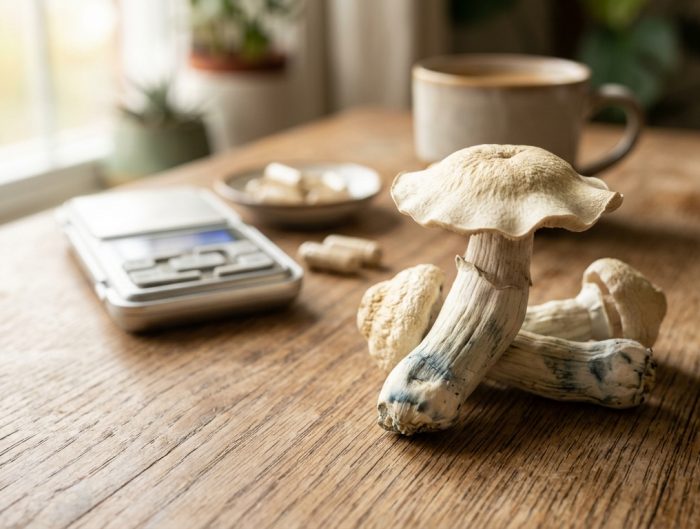
There’s something about sipping a warm cup of tea that already feels intentional – a moment carved out of the day just for you. Now imagine pairing that ritual with psilocybin mushrooms, turning what can be a challenging experience into something gentler, more controlled, and easier on your stomach. If you’ve been curious about how to make magic mushroom tea, you’re in the right place. This method has quietly become one of the most popular ways to consume psilocybin, and for good reason: it addresses many of the common complaints people have about eating dried mushrooms directly. The taste is more manageable, the onset is more predictable, and the whole process feels like an act of care rather than something you just have to power through. Whether you’re a cautious beginner or someone who has tried mushrooms before and wants a smoother approach, brewing tea gives you more agency over your experience. We put this guide together at Healing Dose because we believe preparation is a form of respect, both for the substance and for yourself. Everything here reflects a safety-first perspective grounded in research and personal insight. Take your time with it, and don’t skip the sections on safety. You’ll be glad you didn’t.
Why Brew Magic Mushroom Tea?
Eating dried mushrooms straight is the most common method people try first, and it’s also the method most likely to leave you with a sour expression and a queasy stomach. The taste alone is enough to deter some people from ever trying again. Dried psilocybin mushrooms have a distinctly earthy, sometimes bitter flavor that can trigger a gag reflex, especially if you’re chewing through a gram or more.
Brewing tea solves several problems at once. By steeping the mushroom material in hot water, you extract the active compounds (primarily psilocybin and psilocin) into a liquid form that your body can absorb more quickly and efficiently. The mushroom fiber, which is largely responsible for digestive upset, gets strained out. What you’re left with is a warm, drinkable preparation that you can flavor however you like.
There’s also a psychological benefit to the ritual itself. Boiling water, measuring your dose, choosing your tea blend, and sitting down with a warm mug – all of these small acts create a sense of intentionality. You’re not just consuming a substance; you’re setting the stage for a meaningful experience. That distinction matters more than most people realize, especially if you’re approaching psilocybin with goals around self-reflection or personal growth.
Reducing Nausea and Digestive Discomfort
Nausea is the single most common complaint among people who eat dried mushrooms. The culprit is chitin, a tough polysaccharide that makes up the cell walls of fungi. Your digestive system doesn’t break chitin down easily, and that struggle often shows up as stomach cramps, bloating, or waves of nausea during the first hour after ingestion.
When you brew psilocybin mushrooms into tea, the hot water does most of the extraction work outside your body. The psilocybin dissolves into the water, and you can strain out the solid mushroom material before drinking. This means your stomach receives the active compounds without having to wrestle with all that indigestible fiber.
Many people report that tea reduces nausea by 70-80% compared to eating mushrooms whole. That’s not a clinical statistic, but it’s a consistent observation across community reports and personal accounts. For some people, the difference between a comfortable experience and a miserable first hour comes down entirely to preparation method.
If you’ve tried mushrooms before and spent the first 45 minutes feeling like you might be sick, tea is worth trying on its own merits. The reduction in digestive discomfort can change your entire relationship with the experience, allowing you to focus on what’s happening in your mind rather than what’s happening in your gut.
Faster Onset and Duration Control
Drinking psilocybin in liquid form means your body absorbs it faster than it would from solid mushroom material. Most people notice the first subtle shifts within 15-20 minutes of finishing their tea, compared to 30-60 minutes when eating dried mushrooms. That faster onset might sound intimidating, but it actually gives you more control.
Here’s why: when you eat mushrooms whole, there’s often a long, uncertain waiting period where you’re not sure if you’ve taken enough, if it’s working, or if you should take more. That ambiguity leads some people to re-dose prematurely, which can result in a much stronger experience than intended. With tea, the quicker feedback loop helps you understand where you stand sooner.
The overall duration also tends to be somewhat shorter with tea, typically around 3-4 hours compared to 4-6 hours with whole mushrooms. For people who feel anxious about committing to a long experience, this compressed timeline can feel more manageable. You still get the full depth of the experience; it’s just packaged into a slightly tighter window.
One thing to keep in mind: a faster onset also means a faster peak. The come-up can feel more intense with tea, even at the same dose. This isn’t a reason to avoid the method, but it is a reason to start with a conservative dose your first time and see how your body responds. Individual variability is real, and what feels gentle for one person might feel strong for another.
Essential Supplies and Ingredients
You don’t need anything fancy to brew psilocybin tea. Most of what you need is probably already in your kitchen. Here’s what to gather before you start:
- A kitchen scale that measures to 0.1 grams (this is non-negotiable for accurate dosing)
- A coffee or spice grinder, or a sharp knife and cutting board
- A small pot or kettle for heating water
- A thermometer (optional but helpful for monitoring water temperature)
- A fine mesh strainer, cheesecloth, or a reusable tea bag
- A mug
- Your dried psilocybin mushrooms
- A tea bag of your choice (ginger, chamomile, and peppermint are popular options)
- Honey, lemon juice, or another natural sweetener
- Optional: fresh ginger root, cinnamon stick, or other flavor additions
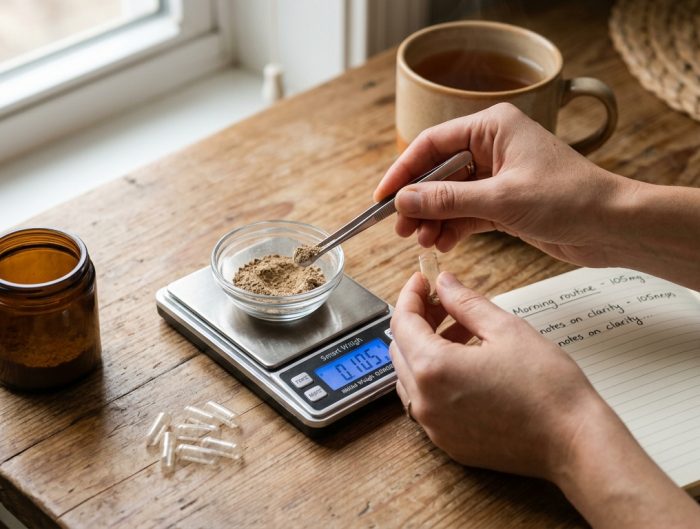
The kitchen scale deserves special emphasis. Eyeballing mushroom doses is one of the most common mistakes people make, and it’s one of the easiest to avoid. Dried mushrooms vary significantly in density and potency, even within the same batch. A piece that looks small might weigh more than you’d guess, and vice versa. Spend the fifteen dollars on a decent scale. It’s the single most important safety tool in this entire process.
For your first time preparing psilocybin tea, a common starting dose ranges from 1 to 2 grams of dried mushrooms. If you’re newer to psilocybin or tend to be sensitive to substances (think about how you respond to caffeine or alcohol as a rough reference point), starting at the lower end is wise. You can always try a slightly higher dose next time. You can never un-take what you’ve already consumed.
Fresh ginger root is worth picking up if you have any history of stomach sensitivity. Even with the chitin strained out, some people find that ginger adds an extra layer of digestive comfort. Slice a few thin coins of fresh ginger and add them to your steeping water. It also happens to taste great with most tea blends.
Keep everything organized and within reach before you begin. Part of the value of the tea ritual is its calm, unhurried quality. Scrambling around looking for a strainer while your water is cooling down undercuts that intention.
Step-by-Step Preparation Guide
This is the core of the process, and it’s simpler than you might expect. Once you’ve done it once, you’ll realize the whole thing takes about 20 minutes from start to finish. The key is being precise where precision matters (dosing and temperature) and relaxed everywhere else.
Grinding and Dosing Your Mushrooms
Start by weighing your dried mushrooms on your kitchen scale. Write down the number. This sounds overly cautious, but having a record of exactly what you consumed is valuable information for future experiences, especially if you’re keeping a journal (which we strongly recommend at Healing Dose as part of any intentional practice).
Once weighed, grind your mushrooms into a coarse powder or small pieces. A coffee grinder works well for this, but you can also chop them finely with a knife. The goal is to increase the surface area so that the hot water can extract the psilocybin more efficiently. Think of it like grinding coffee beans: whole beans in hot water will eventually make coffee, but ground beans make it faster and stronger.
You don’t need to pulverize the mushrooms into dust. A rough, granular texture is fine. If you grind too finely, you may end up with sediment that passes through your strainer, which can reintroduce some of the nausea-causing material you’re trying to avoid.
Place the ground mushrooms into your mug, a reusable tea bag, or directly into the pot you’ll be using for steeping. If you’re using a reusable tea bag or tea infuser, fill it loosely so the water can circulate freely around the material.
A note on dosing: psilocybin content varies between mushroom species and even between individual mushrooms of the same species. Psilocybe cubensis, the most commonly available variety, typically contains around 0.6-0.8% psilocybin by dry weight, but this can range from 0.2% to over 1%. This variability is why starting low and being patient matters so much.
The Steeping Process and Water Temperature
This step is where many guides give conflicting advice, so here’s what the evidence and community experience suggest: water temperature matters, but not as much as some people fear.
Psilocybin is relatively heat-stable. It doesn’t break down at normal tea-brewing temperatures. Studies on psilocybin extraction have shown that water between 160°F and 200°F (70-93°C) works effectively. You do not need to use boiling water (212°F/100°C), and there’s some anecdotal concern that a rolling boil held for an extended period might degrade potency slightly. The safest approach is to bring your water to a boil, then let it cool for 30-60 seconds before pouring it over your mushroom material.
Here’s the process:
- Heat 1 to 1.5 cups of water in your pot or kettle.
- Once the water reaches a boil, remove it from heat and let it sit for about a minute.
- Pour the hot water over your ground mushrooms in the mug or pot.
- Add your chosen tea bag (ginger or chamomile work nicely) and any flavor additions like fresh ginger slices or a cinnamon stick.
- Let everything steep for 10-15 minutes, stirring occasionally.
The 10-15 minute steeping time is important. Shorter steeps may leave active compounds behind in the mushroom material. Some people do a double extraction: steep once for 10 minutes, strain, then pour fresh hot water over the same mushroom material for another 10 minutes and combine both liquids. This approach is more thorough and worth the extra few minutes if you want to ensure full extraction.
During the steeping process, you might notice the water darkening to a brownish or amber color. This is normal and expected. Stir gently every few minutes to help the extraction along.
Straining for a Smoother Finish
After your steeping time is complete, it’s time to separate the liquid from the solid mushroom material. This is the step that makes the biggest difference for your stomach.
If you used a reusable tea bag or infuser, simply remove it and gently press it with a spoon to squeeze out the remaining liquid. If you steeped the mushroom material loose in the mug or pot, pour the liquid through a fine mesh strainer or a piece of cheesecloth into a clean mug.
Take a moment to press the mushroom material against the strainer with the back of a spoon. There’s a fair amount of liquid trapped in that soggy mass, and it contains psilocybin you don’t want to waste. Some people squeeze the cheesecloth like a small pouch to get every last drop.
Once strained, you can discard the mushroom material. Some people choose to eat it for completeness, but this largely defeats the purpose of making tea in the first place. The vast majority of the active compounds are now in your liquid. If you did a thorough steep (or a double extraction), you’ve captured the bulk of the psilocybin.
Your tea is now ready to drink. You can sip it slowly over 10-15 minutes or drink it more quickly. Sipping slowly gives you a slightly more gradual onset, which some people prefer for their first time. Either approach is fine.
Flavor Enhancements and Potency Boosters
Let’s be honest: plain psilocybin tea doesn’t taste great on its own. It has an earthy, slightly mushroomy flavor that most people find at least mildly unpleasant. The good news is that you have plenty of options for making it taste genuinely enjoyable, and some of those options can actually enhance the experience itself.
The Lemon Tek Integration
You may have heard of “lemon tek,” a popular preparation method where ground mushrooms are soaked in lemon juice for 15-20 minutes before consumption. The citric acid in lemon juice is thought to begin converting psilocybin into psilocin (the compound your body actually uses) before it enters your system. This pre-conversion may contribute to a faster onset and a more intense but shorter experience.
You can combine the lemon tek approach with your tea preparation. Here’s how:
- Place your ground mushrooms in a small glass.
- Squeeze enough fresh lemon juice to just cover the mushroom material (usually one to two lemons).
- Let it sit for 15-20 minutes, stirring every five minutes.
- Pour the lemon-mushroom mixture into your mug, add hot water, your tea bag, and any other additions.
- Steep for another 10 minutes, then strain as usual.
This combined method tends to produce a noticeably faster onset, sometimes within 10-15 minutes, and a peak that arrives sooner and feels more concentrated. The overall duration may be shortened to 2.5-3.5 hours. If you’re already experienced with psilocybin tea and want to experiment, this is an interesting variation. If you’re brand new, consider trying standard tea first and saving the lemon tek integration for a later session once you know how your body responds to the baseline method.
The lemon juice also happens to improve the flavor significantly. It cuts through the earthy mushroom taste and gives the tea a bright, citrusy quality that pairs well with honey or ginger.
Adding Herbal Teas and Natural Sweeteners
Your choice of tea bag can do a lot of heavy lifting in the flavor department. Here are some popular options and why people choose them:
- Ginger tea: the top choice for stomach comfort, with a warming, spicy flavor that masks the mushroom taste well
- Chamomile tea: calming and mildly sweet, a good choice if you want to encourage relaxation
- Peppermint tea: refreshing and effective at settling the stomach, with a strong enough flavor to cover the earthiness
- Hibiscus tea: tart and fruity, it creates a beautiful reddish color and pairs well with honey
- Green tea: a lighter option, though the mild caffeine content may not suit everyone’s preferences during a psilocybin experience
For sweeteners, raw honey is the most popular choice. It dissolves easily in warm water, adds a pleasant sweetness, and has a soothing quality that feels right for the occasion. Agave nectar and maple syrup also work well. Avoid artificial sweeteners if possible; this is a moment for simple, natural ingredients.
A small pinch of ground cinnamon or turmeric can add warmth and depth to the flavor profile. Some people add a splash of coconut milk for a creamier texture. There’s no wrong answer here. The best tea is one you actually enjoy drinking, because sipping something pleasant is a much better start to your experience than choking down something that makes you grimace.
Best Practices for a Safe Experience
Preparation doesn’t end when you finish brewing your tea. How you approach the hours surrounding your experience matters just as much as the tea itself. Psilocybin is a powerful compound that deserves respect, and the difference between a meaningful experience and a difficult one often comes down to planning.
Set and Setting Considerations
“Set and setting” is a concept that originated with psychedelic researchers in the 1960s, and it remains the single most useful framework for preparing for a psilocybin experience. “Set” refers to your mindset: your emotional state, your intentions, your expectations, and any anxieties you might be carrying. “Setting” refers to your physical environment: where you are, who you’re with, and how comfortable and safe you feel there.
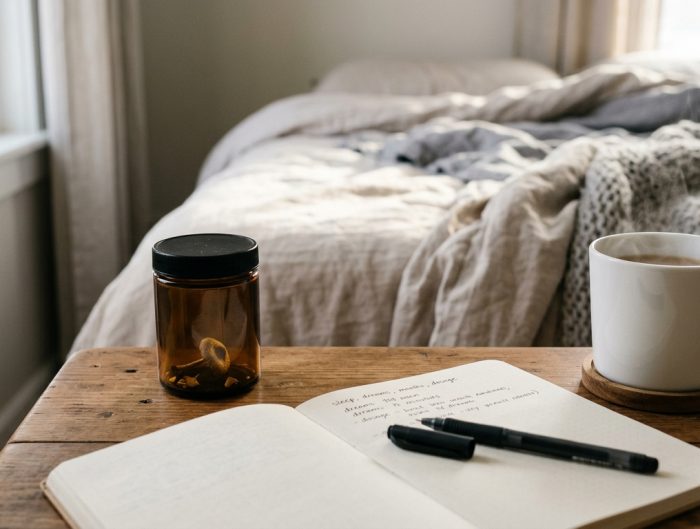
For your mindset, spend some time before your experience reflecting on why you’re doing this. Are you curious about psilocybin’s potential to support personal growth? Are you hoping for creative insight? Are you working through something specific? You don’t need a grand purpose, but having even a loose intention gives your mind a gentle direction to orient toward. Writing your intention down in a journal before you begin is a practice we encourage at Healing Dose because it creates a reference point you can return to afterward during integration.
For your setting, choose a space where you feel genuinely safe and comfortable. Your home is usually the best option, especially for a first experience. Make sure the space is clean and uncluttered. Have blankets, water, comfortable seating, and anything else you might want within easy reach. Prepare a playlist of music you find calming or emotionally resonant. Many people find that instrumental music, ambient soundscapes, or classical compositions work better than songs with lyrics, which can sometimes feel distracting or overly directive.
If possible, have a trusted person nearby who is not consuming psilocybin. This person, sometimes called a sitter, doesn’t need to do much. Their presence alone provides a safety net that can reduce anxiety significantly. Brief them on what to expect: you might be quiet, emotional, or want to talk. Their job is simply to be calm and reassuring.
A few practical considerations people often overlook:
- Eat a light meal 2-3 hours before your experience, nothing heavy or greasy
- Turn off your phone or put it in another room
- Clear your schedule for the rest of the day and the following morning
- Avoid psilocybin if you’re in a particularly anxious, depressed, or unstable emotional state
- Do not combine psilocybin with alcohol or other substances
Managing the Intensity of Liquid Psilocybin
Because psilocybin tea is absorbed faster than whole mushrooms, the come-up can feel more abrupt. For some people, this rapid onset triggers a moment of anxiety, a feeling of “this is happening too fast.” Knowing this in advance helps enormously. If you feel a wave of intensity during the first 20-30 minutes, remind yourself that this is the peak of the come-up and it will level off.
Breathing is your most accessible tool for managing intensity. Slow, deep breaths, in through the nose for four counts, hold for four, out through the mouth for six, can calm your nervous system remarkably quickly. You don’t need to do this constantly, just when you notice tension building.
If the experience feels stronger than expected, changing your physical position can help. Lie down if you’re sitting up. Move to a different room. Step outside briefly if you have a private outdoor space. Sometimes a simple change in sensory input is enough to shift the experience in a more comfortable direction.
For those interested in gentler exploration, microdosing with tea is also an option. A microdose typically ranges from 0.05 to 0.3 grams of dried mushrooms, well below the threshold where you’d notice perceptual changes. At these amounts, the experience is sub-perceptual, meaning you wouldn’t feel “high” but might notice a subtle physical buzz or a quiet shift in mood over the following hours. Brewing a microdose as tea follows the same process described above, just with a much smaller amount of mushroom material. Some people find that a warm cup of low-dose psilocybin tea in the morning creates a gentle hum of openness that carries through their day.
One important consideration: do not re-dose during an active experience unless you are very experienced and have a specific reason. The temptation to “take more” because you don’t feel enough yet is one of the most common paths to an uncomfortably strong experience. With tea, the onset is fast enough that you’ll know within 30 minutes where you stand. Be patient with the process.
Keep a journal nearby during and after your experience. Even brief notes, a few words or sentences about what you’re feeling, can be incredibly valuable for integration later. The days following a psilocybin experience are often when the most meaningful insights crystallize, and having a written record of your in-the-moment impressions gives you raw material to work with. Integration, the process of reflecting on your experience and translating it into lasting behavioral change, is where the real value lives. A single experience might feel profound in the moment, but without active reflection, those feelings tend to fade within weeks. Journaling, talking with a trusted friend, or using structured integration prompts can help you carry forward whatever you discovered.
Your Tea, Your Pace
Making psilocybin tea is a straightforward process that puts you in closer relationship with your experience from the very first step. You’re choosing your dose carefully, preparing your space with intention, and creating a ritual that honors both the substance and your own wellbeing. That’s not a small thing.
Start simple. Use a conservative dose, a tea flavor you enjoy, and a setting where you feel completely at ease. Pay attention to how your body responds, and write down what you notice. The quiet changes that unfold over repeated, thoughtful experiences tend to be more meaningful than any single dramatic session.
If you’re exploring microdosing and want help finding an appropriate starting dose for your body and goals, our short quiz can point you in the right direction. Take the quiz here to find a gentle range that fits your experience level and sensitivity.
Whatever you choose, go slowly. Trust the process. And enjoy the tea.

You might also like