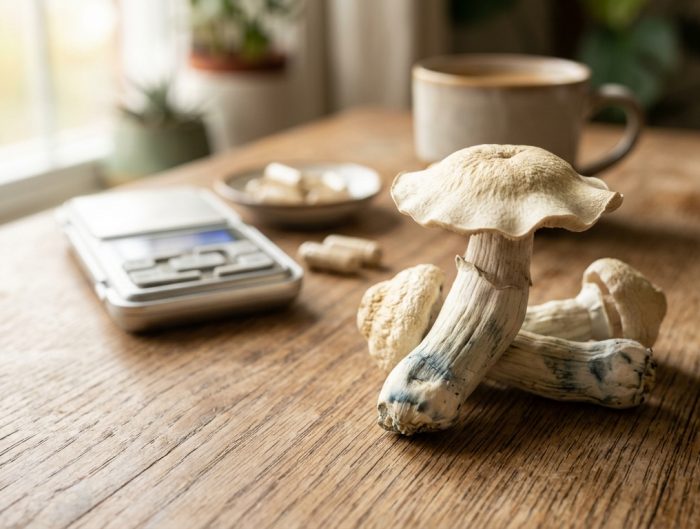
The first time you notice the walls gently rippling or colors becoming impossibly saturated, it can feel both exhilarating and disorienting. Mushroom trip visuals are among the most talked-about aspects of the psilocybin experience, yet they’re also among the most misunderstood. Hollywood and pop culture have painted a picture of wild, cartoonish hallucinations, but the reality is far more nuanced, personal, and often deeply meaningful. Whether you’re a curious beginner trying to understand what to expect, or someone reflecting on an experience you’ve already had, knowing what’s actually happening in your brain and body can bring a lot of comfort. This guide walks you through the biology, the perceptual shifts, the emotional dimensions, and the practical factors that shape these experiences. We’ll keep things grounded, honest, and free of hype, because that’s what you deserve when exploring something this personal. At Healing Dose, we believe that understanding is the foundation of safety, and safety is the foundation of genuine growth.
The Biological Mechanism of Psilocybin in the Brain
Before we talk about swirling patterns and breathing walls, it helps to understand what’s actually going on under the hood. Psilocybin, the primary psychoactive compound in “magic mushrooms,” doesn’t produce visual or emotional shifts on its own. Your body first converts it into psilocin, and that’s the molecule that does the heavy lifting. Psilocin has a molecular structure remarkably similar to serotonin, one of your brain’s most important neurotransmitters. This structural resemblance is the key to everything that follows.
The whole process unfolds over about 30 to 90 minutes after ingestion, depending on factors like stomach contents and individual metabolism. Once psilocin crosses the blood-brain barrier, it begins interacting with specific receptor sites, and your perception of reality starts to shift. The experience isn’t random or chaotic at the neurological level; it follows identifiable pathways that researchers have been mapping with increasing precision.
Serotonin Receptors and the 5-HT2A Connection
Psilocin’s primary target is the 5-HT2A serotonin receptor. Think of this receptor as a lock, and psilocin as a key that fits almost perfectly. When psilocin binds to these receptors, particularly in the visual cortex and prefrontal cortex, it triggers a cascade of activity that your brain doesn’t normally produce. This is why visual distortions are so prominent: the visual processing centers are especially rich in 5-HT2A receptors.
Researchers at UC Davis have found that psychedelics and their non-hallucinogenic analogs both work through this same receptor site, which has significant implications for understanding why visuals occur. The binding doesn’t just activate the receptor; it activates it in a specific way that differs from how serotonin itself would. This “biased agonism” leads to unique downstream signaling patterns, essentially telling neurons to fire in unusual combinations and rhythms.
What does this mean for you practically? It means the visuals you experience aren’t your brain malfunctioning. They’re your brain processing information through an altered but consistent biological pathway. The patterns, colors, and distortions follow recognizable categories precisely because the underlying receptor mechanism is consistent from person to person.
Deactivation of the Default Mode Network
Here’s where things get really interesting. Your brain has a network of regions called the Default Mode Network, or DMN, that’s active when you’re daydreaming, thinking about yourself, planning the future, or ruminating about the past. It’s essentially your brain’s “autopilot” for self-referential thinking. Under psilocybin, the DMN’s activity decreases significantly.
When the DMN quiets down, the usual boundaries between brain regions become more permeable. Areas that don’t normally communicate start exchanging information freely. Your visual cortex might start receiving input from emotional processing centers or memory regions, which partly explains why visuals can feel so emotionally charged or personally meaningful. A 2025 preprint study mapped these connectivity changes in detail, showing how psilocybin creates a more interconnected, less compartmentalized brain state.
This reduced DMN activity also explains why many people report a diminished sense of “self” during the experience, something we’ll discuss more in the psychological section. For now, just know that the visual phenomena and the emotional depth aren’t separate events. They’re both products of the same underlying shift in how your brain organizes and filters information.
Characterizing Visual Alterations and Hallucinations
So what do visuals from psilocybin mushrooms actually look like? The answer varies enormously depending on dosage, individual brain chemistry, and context. But certain categories of visual phenomena show up consistently across reports, clinical studies, and personal accounts. Understanding these categories can help you feel less startled if you encounter them, and more curious about what your brain is doing.
One important distinction right away: psilocybin visuals are rarely “true hallucinations” in the clinical sense. You’re unlikely to see fully formed objects or people that aren’t there. Instead, most visual changes involve distortions, enhancements, or reinterpretations of what’s already in your field of vision. Your brain is reprocessing existing sensory input rather than fabricating entirely new images.
Closed-Eye Visuals vs. Open-Eye Visuals
Closed-eye visuals, often abbreviated as CEVs, are usually the first visual phenomenon people notice. Even at relatively low doses (around 1 to 1.5 grams of dried psilocybin mushrooms), you might see faint geometric patterns, shifting colors, or abstract shapes behind your eyelids. These can range from simple phosphene-like dots and swirls to elaborate, almost architectural structures at higher doses. Many people describe CEVs as watching a kaleidoscope or seeing stained glass windows that continuously rearrange themselves.
Open-eye visuals, or OEVs, typically require a slightly higher dose to become noticeable. These involve changes to your actual visual field: surfaces might appear to breathe or ripple, colors become more vivid, edges might shimmer, and textures can seem to crawl or flow. The distinction matters because CEVs and OEVs engage slightly different neural processes. CEVs arise primarily from spontaneous activity in the visual cortex when external input is removed, while OEVs involve active reinterpretation of incoming visual data.
If you’re new to this, CEVs are generally a gentler introduction. Lying down with your eyes closed in a comfortable setting gives you a sense of how your brain responds to psilocin without the added complexity of navigating a visually rich environment.
Geometric Patterns, Tracers, and Color Enhancement
Geometric patterns are perhaps the most universal visual experience across psilocybin users. These often take the form of fractals, spirals, honeycomb grids, or tessellating shapes. Researchers at UC Berkeley have been investigating how psychedelics alter visual perception, and their work suggests these geometric patterns may reflect the underlying architecture of the visual cortex itself. When psilocin disrupts normal processing, you may be “seeing” the structural patterns your brain usually uses to organize visual information.
Tracers are another common phenomenon. When an object moves across your visual field, it leaves a trailing afterimage, like a slow-exposure photograph. Waving your hand in front of your face might produce a fan of translucent copies following behind it. This occurs because psilocin appears to slow the rate at which your brain clears processed visual information.
Color enhancement is often the most delightful aspect for many people. Greens become impossibly green. Sunlight takes on a golden, almost liquid quality. The blue of the sky can feel like it has depth and dimension you’ve never noticed before. This isn’t your imagination running wild; psilocin genuinely alters how your visual cortex processes color information, making you more sensitive to hue, saturation, and contrast.
Object Morphing and Environmental Breathing
At moderate to higher doses (roughly 2.5 to 5 grams of dried mushrooms), objects may begin to morph or shift in shape. A face might appear to age and de-age. Wood grain patterns might seem to swirl like rivers. Text on a page can wiggle or rearrange itself. These morphing experiences can be fascinating, but they can also feel unsettling if you’re not expecting them.
Environmental breathing is one of the most commonly reported visual phenomena. Walls, floors, ceilings, and natural surfaces like tree bark or grass appear to gently expand and contract, as if the environment itself is inhaling and exhaling. This rhythmic pulsing often syncs with your own breathing or heartbeat, creating a sense of connection between your body and your surroundings.
Both of these phenomena likely result from psilocin’s interference with how your brain predicts and stabilizes visual input. Normally, your brain works hard to keep your perception of the world stable and consistent. Under psilocybin, that stabilization process becomes less rigid, allowing your perception to fluctuate in response to subtle neural signals that are usually filtered out.
The Psychological and Emotional Landscape
Visuals get most of the attention, but the emotional and psychological dimensions of a psilocybin experience are often far more significant. Many people find that the internal shifts matter more than anything they see. The visual phenomena and the emotional content are deeply intertwined: a beautiful fractal pattern might carry an overwhelming sense of love, or a morphing face might trigger a wave of grief you didn’t know you were carrying.
Euphoria and Mystical Experiences
A sense of profound well-being, joy, or awe is one of the most frequently reported psychological experiences. This isn’t the same as the euphoria produced by stimulants or MDMA; it tends to feel quieter, more spacious, and more connected to something beyond yourself. Some people describe it as feeling like they’ve come home to a place they forgot existed.
At higher doses, this can shade into what researchers call “mystical-type experiences,” characterized by a sense of sacredness, deep positive mood, and a feeling of encountering ultimate reality. The psychedelic therapeutics market is projected to grow significantly in the coming years, driven partly by clinical research showing that these mystical experiences correlate strongly with lasting positive changes in well-being and outlook.
Not every experience includes euphoria, though. Some sessions are emotionally neutral, and some involve difficult emotions. This variability is normal and doesn’t mean something went wrong. The emotional tone of a psilocybin experience reflects your current psychological state, your environment, and factors that are sometimes simply unpredictable.
Ego Dissolution and a Sense of Oneness
One of the most profound, and sometimes most frightening, psychological phenomena is ego dissolution. This is the experience of your usual sense of self, your identity, your personal narrative, your feeling of being a separate individual, temporarily fading or dissolving entirely. It can feel like the boundary between “you” and “everything else” becomes thin or disappears.
For some people, this is deeply liberating. The constant mental chatter about who you are, what you need to do, and what others think of you simply stops. What remains is pure awareness without a center. Many describe a feeling of being connected to all living things, to the earth, or to the universe itself.
For others, especially those who aren’t prepared for it, ego dissolution can feel terrifying. If you don’t know it’s a temporary pharmacological phenomenon, losing your sense of self can feel like dying. This is one of the strongest arguments for education before experience: knowing that ego dissolution is a well-documented, time-limited phenomenon can transform it from a crisis into an opportunity for insight.
Introspection and Emotional Processing
Psilocybin has a remarkable ability to bring buried emotions and memories to the surface. You might find yourself thinking about a relationship you thought you’d moved past, or suddenly understanding a behavioral pattern you’ve repeated for years. This introspective quality is one reason psilocybin is being studied as a therapeutic tool for depression, PTSD, and addiction.
The key word here is “processing.” Psilocybin doesn’t just make you feel emotions; it seems to create conditions where you can observe and work through them with unusual clarity and reduced defensiveness. The DMN suppression we discussed earlier plays a role here: with your usual self-protective mental habits quieted, you can look at painful truths without the reflexive flinch that normally keeps them hidden.
At Healing Dose, we emphasize that this introspective potential is where integration becomes essential. The insights that arise during a psilocybin experience are only as valuable as the reflection you do afterward. Journaling, talking with a trusted friend or therapist, and sitting quietly with what came up are all ways to turn a temporary experience into lasting personal growth. Without integration, even the most profound insight can fade like a dream you forgot to write down.
Sensory Distortions Beyond Sight
While visuals from mushrooms tend to dominate the conversation, psilocybin affects all of your senses. Understanding these broader sensory changes helps paint a more complete picture of what the experience actually involves. Some people find the non-visual sensory shifts even more striking than the visual ones.
Auditory Changes and Sound Sensitivity
Music can become extraordinarily rich and layered under psilocybin. You might hear instruments you’ve never noticed in a familiar song, or feel as though the music is physically moving through your body rather than just entering your ears. Many people report that music takes on an emotional weight that feels almost unbearable in its beauty.
Ambient sounds can also shift. Birds singing might sound sharper and more present. The hum of a refrigerator might become intrusive or fascinating. Some people experience auditory distortions similar to visual ones: sounds might echo, stretch, or seem to come from unusual directions.
Sound sensitivity is worth being aware of practically. Sudden loud noises or jarring music can feel genuinely overwhelming during a psilocybin experience. This is why most experienced guides recommend curating your auditory environment carefully: choose music intentionally, minimize unexpected sounds, and have quiet options available.
Synesthesia: Blending the Senses
Synesthesia, the blending of sensory modalities, is one of the more fascinating phenomena reported during psilocybin experiences. You might “see” music as colors or shapes, “taste” textures, or “feel” colors as physical sensations. A deep bass note might produce a warm, dark red in your visual field. Running your fingers over a rough surface might produce a sound in your mind.
This cross-wiring of senses relates back to the increased connectivity between brain regions we discussed earlier. When the usual boundaries between sensory processing areas become more permeable, information from one sense can leak into the processing pathways of another. UC Berkeley researchers have been working to explain the visual aspects of psychedelic experiences, and their findings suggest these cross-modal experiences arise from the same fundamental disruption of normal neural compartmentalization.
Synesthesia during a psilocybin experience is usually gentle and pleasant rather than overwhelming. It tends to enhance the richness of sensory experience rather than creating confusion. Many people describe it as one of the most beautiful aspects of the experience: a reminder that the boundaries between our senses are more arbitrary than we normally assume.
Factors Influencing Trip Intensity and Duration
Two people can take the same dose of the same mushroom species and have wildly different experiences. Understanding why this happens gives you more agency in shaping your own experience and setting appropriate expectations. The variability isn’t random; it follows patterns you can learn to recognize and work with.
Dosage Levels: From Microdosing to Heroic Doses
Dosage is the single most significant variable in determining the intensity of visual and psychological phenomena. Here’s a general framework, though individual sensitivity varies considerably:
- Microdose (0.05 to 0.25 grams dried): Sub-perceptual. No visuals, no noticeable cognitive distortion. Subtle shifts in mood, focus, or creativity that many people don’t notice until they reflect on their day. This is the range most people at Healing Dose work within.
- Low dose (0.5 to 1.5 grams): Mild mood enhancement, slight color brightening, possible faint CEVs. You’re still fully functional and oriented.
- Moderate dose (1.5 to 3.5 grams): Noticeable visual distortions, emotional intensification, altered sense of time, possible introspective insights. This is where mushroom visuals become clearly apparent.
- High dose (3.5 to 5 grams): Strong visuals including morphing and environmental breathing, significant ego softening, intense emotional experiences, possible mystical-type phenomena.
- Heroic dose (5+ grams): Complete ego dissolution, overwhelming visuals, profound psychological experiences. This range carries significant risk for unprepared individuals and is not recommended without extensive experience and proper support.
The term “sub-perceptual threshold” in microdosing means you’re taking an amount small enough that you shouldn’t experience any of the visual or psychological shifts described in this article. Think of it like the difference between having a sip of wine with dinner and drinking an entire bottle. The substance is the same; the dose determines the experience entirely.
Individual sensitivity plays a huge role too. Body weight, metabolism, genetics, medications (especially SSRIs and other serotonergic drugs, which can dangerously interact with psilocybin), and even your gut microbiome can affect how you process psilocin. Just as some people feel buzzed after half a cup of coffee while others can drink three cups and feel nothing, psilocybin sensitivity exists on a wide spectrum.
The Importance of Set and Setting
“Set and setting” is a concept popularized by Timothy Leary in the 1960s, and it remains the most important practical framework for understanding psilocybin experiences. “Set” refers to your mindset: your emotional state, expectations, intentions, and psychological readiness. “Setting” refers to your physical and social environment.
Your mindset going in profoundly shapes the experience. If you’re anxious, grieving, or in a state of psychological crisis, psilocybin will likely amplify those feelings. This doesn’t necessarily mean you’ll have a “bad” experience, but it does mean the experience will probably be emotionally intense and demanding. Approaching with curiosity, openness, and a willingness to accept whatever arises tends to produce more positive outcomes.
Setting matters just as much. A comfortable, safe, familiar space with soft lighting, comfortable seating or bedding, access to nature or natural elements, and the presence of a trusted sober companion creates conditions for a positive experience. A crowded party, an unfamiliar location, or the presence of people you don’t fully trust creates conditions for anxiety and discomfort.
Temperature, lighting, and sound all contribute to setting. Having water, blankets, comfortable clothes, and a pre-made playlist removes the need to make decisions during the experience, which can feel overwhelming when your cognitive processing is altered. The Global Wellness Institute has highlighted growing trends in structured, intentional psychedelic settings, reflecting a broader cultural shift toward treating these experiences with the care and preparation they deserve.
Navigating the Afterglow and Integration
The experience doesn’t end when the visuals fade. Most people report an “afterglow” period lasting anywhere from a few hours to several weeks after a psilocybin experience. During this time, you might notice a subtle shift in how you perceive the world: colors might seem slightly more vivid, you might feel more emotionally open, and your usual mental patterns might feel a bit looser and more flexible. Some describe it as a quiet, gentle hum of well-being, like the emotional equivalent of the warm feeling after a really good conversation.
This afterglow period is precious, and it’s also fragile. If you immediately return to your usual routines without pausing to reflect, the insights and shifts from the experience can fade surprisingly quickly. This is where integration becomes the real work.
Integration simply means making sense of what happened and finding ways to carry its lessons into your daily life. Journaling is one of the most effective integration tools. Write down what you saw, what you felt, what memories or thoughts surfaced, and what, if anything, felt important. You don’t need to analyze it immediately; just capture it while it’s fresh. Over the following days and weeks, patterns and meanings often emerge on their own.
Talking about your experience with someone you trust can also be enormously helpful. This doesn’t have to be a therapist (though that’s a great option if you have access to one). A close friend, a partner, or a community of like-minded people can provide the witnessing and reflection that helps solidify insights into real change.
Be patient with yourself during integration. Not every experience produces clear, articulable insights. Sometimes the value shows up weeks later as a subtle shift in how you respond to stress, relate to a loved one, or think about your own patterns. The changes are often quiet: a slightly longer pause before reacting in anger, a little more compassion for yourself on a hard day, a gentle loosening of a rigid belief you didn’t realize you were holding.
Some people find that the afterglow period is also a good time to explore whether microdosing might support the integration process. Working with very small, sub-perceptual amounts on a structured schedule can help maintain the openness and flexibility that a larger experience initiated, without producing any visual or cognitive disruption. If that interests you, finding the right starting dose matters a lot, since sensitivity varies so widely from person to person. You can take the dose quiz to find a gentle starting range based on your goals, experience, and individual sensitivity: it’s a simple way to approach microdosing thoughtfully and at your own pace.
The visual phenomena of psilocybin mushrooms are genuinely fascinating, but they’re just one thread in a much larger tapestry of perceptual, emotional, and cognitive shifts. Understanding the biology behind these experiences, from 5-HT2A receptor binding to DMN deactivation, transforms them from mysterious and potentially frightening events into comprehensible processes with identifiable patterns. The geometric patterns, the breathing walls, the saturated colors: these are your brain doing something unusual but consistent, something that researchers are mapping with increasing clarity every year.
What matters most isn’t the visuals themselves, but what you do with the broader experience they’re part of. The reflection, the journaling, the honest conversations, the willingness to sit with uncomfortable truths: that’s where real, lasting change lives. And it happens not in a single dramatic moment, but in the quiet days and weeks that follow, one small shift at a time.

You might also like