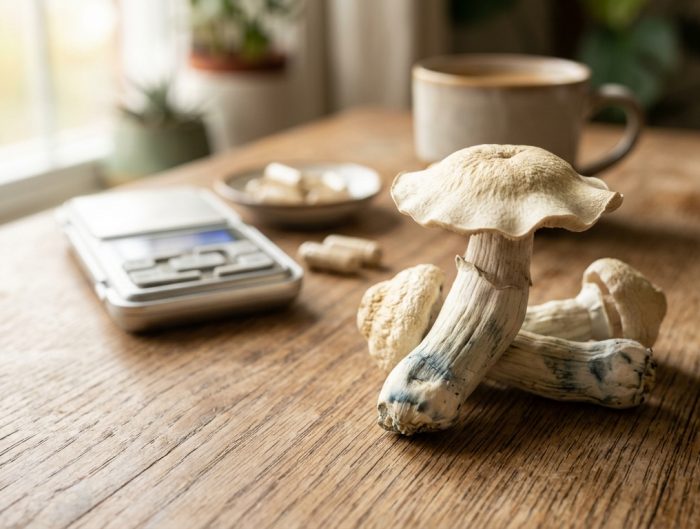
If you’ve been exploring the world of psilocybin mushrooms, you’ve probably come across a preparation method that sounds more like a kitchen experiment than anything else: soaking ground mushrooms in fresh lemon juice before consuming them. This approach, commonly called lemon tek, has become one of the most talked-about techniques in psychedelic communities over the past several years, and for good reason. It reportedly intensifies the experience, reduces nausea, and compresses the timeline so you’re not committed to an eight-hour journey. But there’s a lot of confusing and contradictory information floating around, and if you’re someone who values doing things carefully and intentionally, you deserve a clear, honest guide. That’s exactly what we’re going to cover here: the science behind this method, how to do it properly, what to expect, and how to stay safe throughout the process. Whether you’re a cautious beginner or someone with a few experiences under your belt looking to refine your approach, this guide is written with you in mind.
Understanding the Science of Lemon Tekking
Before you squeeze a single lemon, it helps to understand what’s actually happening on a chemical level. The lemon tek method isn’t just folk wisdom passed around online forums: there’s real chemistry at work, and understanding it will help you make better decisions about dosage, timing, and what to expect from the experience.
Psilocybin, the primary active compound in psychedelic mushrooms, is actually a prodrug. That means your body doesn’t use psilocybin directly. Instead, your digestive system must first convert it into psilocin, which is the compound that actually interacts with your serotonin receptors and produces psychoactive experiences. This conversion process, called dephosphorylation, normally happens in your stomach and liver through enzymatic activity and exposure to gastric acid. The lemon tek method essentially begins this conversion process outside your body, in the glass, before you ever take a sip.
The Role of Citric Acid in Psilocybin Conversion
Citric acid, the primary acid found in lemons and limes, has a pH of roughly 2.0 to 2.6, depending on the fruit. When you soak finely ground psilocybin mushrooms in this acidic environment, the citric acid begins breaking the phosphate group off the psilocybin molecule, converting it into psilocin. This is the same chemical reaction your stomach performs, just happening in a glass on your counter instead.
The key word here is “begins.” There’s an important nuance that often gets lost in online discussions. The conversion in lemon juice is likely partial rather than complete. A 20-minute soak in citric acid won’t necessarily convert 100% of the psilocybin into psilocin. But it does give the process a significant head start, which means your body has less work to do once you consume the mixture. Think of it like pre-digestion: you’re doing some of the heavy lifting before the mushroom material ever reaches your stomach.
Some researchers and experienced practitioners have noted that this partial pre-conversion is actually a good thing. A complete conversion to psilocin outside the body could theoretically lead to some degradation of the compound, since psilocin is less chemically stable than psilocybin. The lemon soak strikes a balance: enough conversion to speed up onset and reduce digestive strain, but not so much that you’re losing potency to oxidation in the glass.
How Acidity Mimics the Stomach Environment
Your stomach, when actively digesting food, maintains a pH of about 1.5 to 3.5. Fresh lemon juice falls right within this range, which is why it serves as such an effective stand-in for gastric acid in this context. The similarity isn’t coincidental: the chemistry of acid-catalyzed dephosphorylation works the same way regardless of whether that acid is hydrochloric acid in your stomach or citric acid in a glass.
One thing that makes this particularly interesting is the surface area factor. When you grind dried mushrooms into a fine powder before soaking them, you dramatically increase the surface area exposed to the acid. Compare this to swallowing chunks of dried mushroom: your stomach acid has to work through each piece gradually, dissolving the outer layers before reaching the interior. With a fine powder suspended in lemon juice, the acid contacts virtually all of the psilocybin-containing material simultaneously. This is why grinding is such a critical step in the process, and why people who skip it often report less dramatic differences from the standard consumption method.
The stomach mimicry also explains why many people report significantly less nausea with this approach. A major source of digestive discomfort from mushrooms comes from your stomach working overtime to break down tough chitin-rich fungal cell walls while simultaneously converting psilocybin. When you pre-soak in acid, you’re essentially outsourcing part of that digestive labor. Your stomach receives material that’s already partially processed, which means less churning, less acid production, and less of that familiar queasy feeling that makes the first 45 minutes of a mushroom experience so uncomfortable for many people.
Benefits and Effects of the Lemon Tek Method
Now that you understand the chemistry, you’re probably wondering what this actually means for your experience. The practical differences between eating dried mushrooms and consuming them via the lemon tek method are significant enough that many people consider them almost different experiences entirely. Here’s what you can realistically expect.
Faster Onset and Reduced Duration
The most immediately noticeable difference is speed. With standard dried mushroom consumption, most people begin feeling the first subtle shifts somewhere between 30 and 60 minutes after eating, with peak experiences arriving around the 90-minute to two-hour mark. The entire experience typically lasts six to eight hours, sometimes longer.
With the lemon method, many people report feeling the first changes within 10 to 20 minutes. Peak experiences often arrive within 45 minutes to an hour. And the total duration compresses to roughly three to five hours for most people. This compressed timeline is one of the biggest draws for people who want a meaningful experience but don’t want to dedicate an entire day to it.
I want to be honest about something here, though: the faster onset can catch people off guard. If you’re used to having that 45-minute buffer where you can settle in, put on music, and ease into the experience, losing that window can feel abrupt. It’s not uncommon for people trying this method for the first time to feel a rush of intensity that’s startling simply because they weren’t expecting things to shift so quickly. This is why we always recommend having your setting, music, and intentions fully prepared before you drink the mixture, not after.
Mitigating Nausea and Digestive Discomfort
Nausea is probably the single most common complaint about consuming psilocybin mushrooms. That heavy, unsettled feeling in your stomach can color the entire first hour of an experience and, for some people, persist well into the peak. It’s distracting, uncomfortable, and can create anxiety that compounds into a difficult headspace.
The lemon tek method addresses this in two ways. First, the pre-conversion of psilocybin to psilocin means your stomach doesn’t have to produce as much acid or work as hard to process the material. Second, if you choose to strain out the solid mushroom matter after soaking (more on this later), you’re removing most of the indigestible chitin that causes so much gastric distress.
Not everyone experiences complete relief from nausea with this method, and I want to set realistic expectations. Some people still feel a brief wave of queasiness, particularly right around the onset. But the duration and severity of nausea is almost universally reported as reduced. For people who have avoided mushrooms entirely because of stomach issues, this method can make the experience accessible in a way it wasn’t before. Adding a small amount of ginger to the mixture, either fresh grated ginger or ginger tea as a base liquid, can further ease any remaining digestive discomfort.
Increased Potency and Intensity
Here’s where things get really important, especially from a safety perspective. The same dose of dried mushrooms will feel noticeably stronger when prepared with the lemon tek method compared to eating them plain. This isn’t because you’re creating more psilocin: the total amount of active compound remains the same. The increased intensity comes from the compressed absorption timeline.
Think of it this way: imagine you have a glass of water and you can either sip it over an hour or drink it all in five minutes. Either way, you consume the same amount of water, but the experience of drinking it is very different. With this method, your body absorbs the psilocin more rapidly and more completely in a shorter window, which produces a more intense peak even though the total amount of psychoactive material hasn’t changed.
This is why dosage adjustment is critical, and we’ll cover that in detail later. For now, the general guidance is to reduce your typical dose by 25% to 30% when using this method for the first time. A dose that felt comfortable eaten plain may feel overwhelming when prepared this way. Respect the difference, start lower than you think you need to, and you can always adjust upward in future sessions once you understand how your body responds.
Essential Ingredients and Equipment
One of the nice things about this preparation method is that it doesn’t require anything exotic. You probably have most of what you need in your kitchen already. Here’s what you’ll want to gather before you begin:
- Dried psilocybin mushrooms (your chosen dose, adjusted downward as discussed)
- Fresh lemons or limes (2 to 3 fruits, enough to yield about 2 to 4 ounces of juice)
- A coffee grinder, spice grinder, or mortar and pestle
- A small glass or cup (not metal, as the acid can react with certain metals)
- A fine mesh strainer or cheesecloth (optional, depending on your preference)
- A spoon for stirring
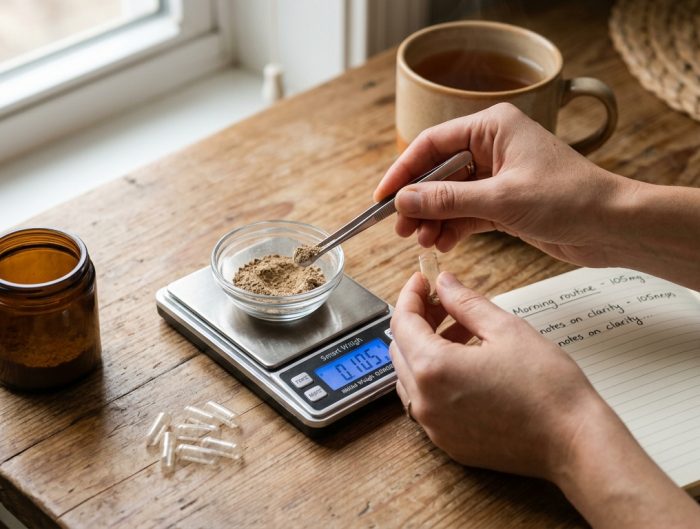
- A kitchen scale accurate to 0.1 grams (essential for responsible dosing)
A few notes on ingredient selection. Fresh-squeezed lemon juice is strongly preferred over bottled juice. Bottled lemon juice often contains preservatives and has been pasteurized, which can alter its chemical properties. Fresh juice also tends to have a more consistent and predictable pH. Limes work equally well: their citric acid content is comparable, and some people actually prefer the taste.
The kitchen scale deserves special emphasis. Eyeballing mushroom doses is one of the most common and most dangerous mistakes people make. Psilocybin content varies significantly between species, between individual mushrooms of the same species, and even between different parts of the same mushroom. A scale removes the guesswork and gives you a reliable starting point. If you don’t own one, they’re inexpensive and widely available. Consider it a non-negotiable part of your preparation toolkit.
For the grinder, a basic electric coffee grinder works perfectly. You want to achieve the finest powder possible, which maximizes surface area contact with the acid. A mortar and pestle can work too, but it requires more effort and may not produce as consistently fine a result. Some people place their dried mushrooms in a sealed bag and crush them with a rolling pin as an alternative, though this tends to produce uneven particle sizes.
If you’re someone who journals your experiences, and we strongly encourage this at Healing Dose, have your journal and pen nearby before you begin. You won’t want to be searching for them once the experience starts.
Step-by-Step Guide to Preparing Your Lemon Tek
You’ve got your ingredients, your equipment is ready, and you understand the science behind what you’re about to do. Now it’s time to walk through the actual preparation process. This is straightforward, but each step matters, so take your time and don’t rush.
Grinding the Dried Mushrooms
Start by weighing your dried mushrooms on your scale. Remember the guidance about reducing your usual dose by 25% to 30% for your first time with this method. If you typically work with 2 grams of dried mushrooms, consider starting with 1.4 to 1.5 grams instead. Write down the exact weight in your journal: you’ll want this reference for future sessions.
Once weighed, place the mushrooms in your grinder and pulse until you achieve a fine, consistent powder. The texture you’re aiming for is similar to ground coffee or fine sand. If you notice any larger chunks remaining, break them up and grind again. This step genuinely matters: larger pieces won’t convert as efficiently during the soak, which means uneven absorption and a less predictable experience.
Transfer the powder to your glass. Take a moment to check that no significant amount of powder remains stuck in the grinder. A small brush or a tap on the side usually dislodges any remaining material.
The Soaking and Extraction Process
Squeeze your lemons directly over the powder in the glass. You want enough juice to fully saturate and cover the powder, plus a little extra: usually about 2 to 3 ounces total. The powder should be submerged, not just damp. If it looks like a thick paste, add a bit more juice.
Stir the mixture thoroughly with your spoon, making sure all the powder is in contact with the juice and nothing is clumped at the bottom or sticking to the sides. Then set a timer for 20 minutes. During this soak time, come back and stir the mixture every 5 minutes or so. This periodic agitation ensures consistent acid contact throughout the material.
Twenty minutes is the sweet spot that most experienced practitioners recommend. Shorter soaks (under 15 minutes) may not allow sufficient conversion, while longer soaks (over 30 minutes) risk some psilocin degradation through oxidation. You might notice the liquid changing color slightly during the soak, often taking on a bluish or greenish tint: this is normal and is related to the oxidation of psilocin, which produces a visible blue bruising reaction similar to what you see when fresh mushrooms are handled roughly.
Some people add a small amount of water or herbal tea to the mixture at this point to increase the volume and make it easier to drink. This is perfectly fine and doesn’t meaningfully affect the chemistry. Ginger tea is a popular choice for its anti-nausea properties. Just make sure any liquid you add isn’t hot, as high temperatures could degrade the psilocin.
Straining vs. Consuming the Solids
This is where personal preference comes in, and there’s genuine debate in the community about the best approach. You have two options: drink the entire mixture including the mushroom solids, or strain the liquid through cheesecloth or a fine mesh strainer and consume only the liquid.
The case for straining is primarily about nausea reduction. The solid mushroom material contains chitin and other fibrous compounds that are difficult for the human digestive system to break down. Removing these solids means your stomach has even less work to do, which can further minimize digestive discomfort. Many people who strain report the cleanest, most nausea-free experiences.
The case for consuming everything is about completeness. Even after a thorough 20-minute soak, some active compounds may remain bound in the solid material. By consuming the solids, you ensure you’re not leaving anything behind. If you choose this route, you can chase the mixture with a small amount of water or juice to wash everything down.
A middle-ground approach that works well: strain the liquid into a fresh glass, then take the remaining solids in the strainer and squeeze or press them firmly to extract as much liquid as possible. You can even pour a small splash of fresh lemon juice over the solids and squeeze again. This captures most of the remaining active compounds while still allowing you to discard the bulk of the fibrous material.
Whichever approach you choose, drink the liquid relatively quickly rather than sipping it over a long period. The goal is to get the pre-converted psilocin into your system in a concentrated window, which produces the characteristic fast onset and intensified peak that makes this method distinctive.
Dosage Adjustments and Safety Precautions
This is arguably the most important section of this entire guide, so please read it carefully even if you skim everything else. The intensification that comes with the lemon tek method means that your relationship with dosage needs to shift accordingly.
If you’re experienced with dried mushrooms, here’s a general framework for adjusting your dose:
- If your comfortable dried dose is 1.0 gram, start with 0.7 to 0.75 grams
- If your comfortable dried dose is 2.0 grams, start with 1.4 to 1.5 grams
- If your comfortable dried dose is 3.5 grams, start with 2.5 grams
- If you’ve never consumed psilocybin mushrooms before, start with 0.5 to 1.0 gram via this method and see how your body responds
These numbers aren’t universal rules: they’re starting points. Individual sensitivity to psilocybin varies enormously based on body weight, metabolism, genetics, medications, and even what you’ve eaten that day. Some people are naturally more sensitive and may find that even a reduced dose feels very strong. Others have naturally higher tolerances. The only way to know where you fall is to start conservatively and build from there over multiple sessions.
A few critical safety precautions deserve attention:
- Never combine psilocybin with MAOIs, lithium, or tramadol. These combinations can produce dangerous interactions including serotonin syndrome, seizures, or cardiac events.
- SSRIs and SNRIs can both diminish and unpredictably alter psilocybin experiences. If you take antidepressants, research the specific interactions with your medication before proceeding, and never abruptly stop prescribed medications to use psilocybin.
- Set and setting matter enormously. “Set” refers to your mindset going in: your emotional state, intentions, and expectations. “Setting” means your physical environment. Choose a safe, comfortable, familiar space. Have a trusted person nearby who can support you if needed, especially for your first time with this method.
- Do not drive or operate machinery. This should go without saying, but the compressed timeline of this method means the peak can arrive before you expect it.
- Stay hydrated, but don’t overdo it. Have water available and sip as needed throughout the experience.
At Healing Dose, we talk a lot about the difference between a single experience and a sustained practice. One session, no matter how profound, rarely produces lasting change on its own. What creates real shifts over time is the integration work you do afterward: journaling about what came up, reflecting on patterns you noticed, and making small, intentional adjustments to your daily life based on those insights. Keep your journal close, and plan to write in it both during (if you feel moved to) and after the experience.
If you’re exploring microdosing rather than full-dose experiences, the lemon tek approach can also be adapted. Some people find that microdoses prepared this way produce more consistent and noticeable sub-perceptual shifts compared to simply eating a small amount of dried mushroom. The same principles apply: grind finely, soak in lemon juice, and adjust your dose downward. For microdosing, you’d be working with amounts in the 0.05 to 0.2 gram range, where precision matters even more and a reliable scale becomes absolutely essential.
Frequently Asked Questions and Common Mistakes
After years of community discussion around this preparation method, certain questions and errors come up repeatedly. Addressing them directly might save you from a frustrating or unnecessarily difficult experience.
Can I use bottled lemon juice instead of fresh lemons? Technically, yes, but fresh is better. Bottled juice often contains sodium metabisulfite or other preservatives that may interfere with the conversion process. The pH is also sometimes adjusted during processing. Fresh lemons are inexpensive and widely available: it’s worth the extra minute of squeezing.
Does the type of mushroom matter? The lemon tek method works with any psilocybin-containing mushroom species, but potency varies significantly between species. Psilocybe cubensis, the most commonly available species, has moderate and relatively predictable psilocybin content. Species like Psilocybe azurescens or Psilocybe cyanescens are substantially more potent, and using this method with these species requires even more conservative dosing. Always know what species you’re working with.
Can I use orange juice or other citrus? Orange juice has a higher pH (around 3.5 to 4.0) compared to lemon juice (around 2.0 to 2.6), which means it’s less effective at catalyzing the conversion. It will still work to some degree, but the process will be slower and less complete. Lime juice is the best alternative to lemon, as its pH and citric acid content are nearly identical.
How long should I really soak the mushrooms? Twenty minutes is the most commonly recommended duration, and it represents a good balance between thorough conversion and minimal degradation. Some people soak for as little as 10 minutes and still report noticeable differences from standard consumption. Going beyond 30 minutes offers diminishing returns and increases the risk of psilocin oxidation.
What if I feel nothing after 30 minutes? Resist the urge to consume more. With this method, onset is typically faster, but individual variation exists. Some people still take 30 to 40 minutes to feel the first shifts, especially if they ate a large meal beforehand. Wait at least 90 minutes before concluding that the dose was insufficient. Eating on a full stomach can delay absorption significantly, so an empty or lightly filled stomach is generally recommended.
Here are the most common mistakes people make, along with how to avoid them:
- Not grinding finely enough. Coarse chunks don’t convert well. Take the extra time to achieve a fine powder.
- Using too much mushroom material. The number one error. People use their standard dried dose and are overwhelmed by the intensity. Reduce by 25% to 30% for your first attempt.
- Soaking in a metal container. Citric acid can react with certain metals, potentially introducing unwanted compounds into your mixture. Use glass or food-grade ceramic.
- Not stirring during the soak. Letting the powder settle and sit undisturbed means uneven acid contact. Stir every five minutes.
- Sipping the mixture slowly over 20 to 30 minutes. This defeats the purpose of the compressed absorption window. Drink it within a few minutes for the characteristic fast onset.
- Failing to prepare the environment beforehand. Because onset is rapid, you don’t have time to set up your space after drinking. Have everything ready: music, blankets, water, journal, lighting.
- Ignoring the importance of an empty stomach. Eating a large meal within two hours of consuming the mixture can significantly delay onset and reduce the intensity of the experience, while also increasing the likelihood of nausea.
One more thing worth mentioning: some people report that the taste of the lemon mushroom mixture is quite unpleasant. This is normal. The combination of sour citrus and earthy, sometimes bitter mushroom powder isn’t exactly a culinary delight. A few strategies can help. Adding a spoonful of honey softens the flavor considerably. Mixing the strained liquid into a small glass of orange juice or another sweet beverage can also mask the taste. Just avoid adding anything hot, as heat can degrade psilocin.
Your Next Step Forward
The lemon tek method is one of those rare techniques that’s both simple to execute and genuinely effective at changing the character of a psilocybin experience. By pre-converting psilocybin into psilocin through an acidic soak, you’re working with your body’s chemistry rather than against it: reducing nausea, compressing the timeline, and creating a more intense but shorter experience from the same amount of material.
The most important takeaways are worth repeating: grind your mushrooms finely, soak for 20 minutes with periodic stirring, reduce your dose by 25% to 30% compared to what you’d normally consume, and prepare your environment completely before you drink the mixture. Approach the experience with clear intentions, a safe setting, and a commitment to reflecting on what comes up afterward. The experience itself is only half the equation: the integration work you do in the days and weeks that follow is where lasting personal growth actually takes root.
If you’re newer to this space and still figuring out where to begin with dosing, we’ve put together a short quiz at Healing Dose that can help you find a gentle starting range based on your goals, experience level, and individual sensitivity. You can take the quiz here whenever you’re ready.
Whatever your path looks like, go slowly, stay curious, and trust that the quiet, subtle shifts are often the ones that matter most.

You might also like