The growing interest in psilocybin-assisted services has created a real need for well-trained facilitators who can hold space with competence and care. If you’ve been curious about psilocybin facilitator training, including the programs available and what’s required to get certified, you’re not alone. Thousands of people are exploring this path right now, and the good news is that the process, while rigorous, is more accessible than you might think. Whether you’re a mental health professional looking to expand your practice or someone drawn to this work through personal experience, understanding the training pipeline is your first step. At Healing Dose, we believe that informed, safety-first preparation is the foundation of responsible psychedelic work, and that starts long before you ever sit with a client.
The Evolving Landscape of Psilocybin Facilitation
The role of a psilocybin facilitator is still being defined in real time. As states develop their own regulatory models, the profession is taking shape through a combination of legislative action, clinical research, and community feedback. What’s clear is that this work requires a specific kind of preparation: one that blends scientific literacy with deep interpersonal skill.
Defining the Role of a Facilitator vs. Therapist
A facilitator is not a therapist, and the distinction matters. Therapists diagnose conditions and provide clinical interventions within a medical framework. Facilitators, by contrast, create a supportive environment for someone’s psilocybin experience without directing it therapeutically. Think of it as the difference between guiding and treating.
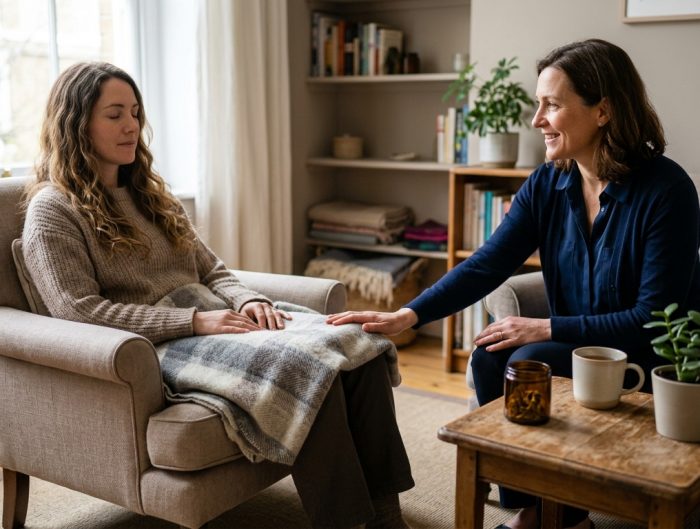
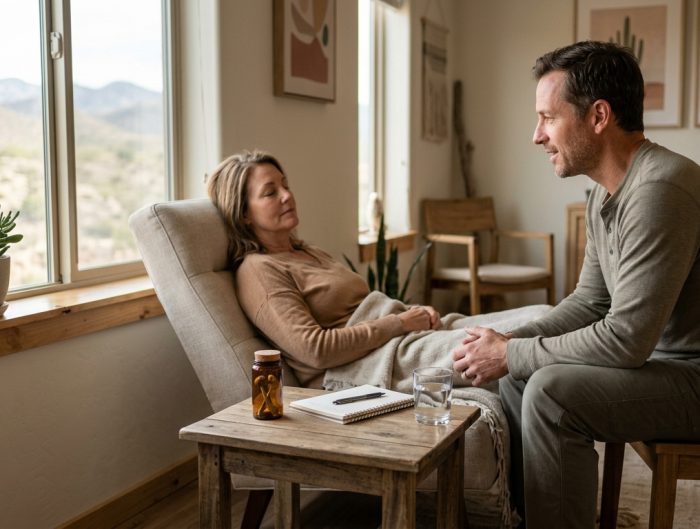
In Oregon’s model, facilitators prepare clients before a session, remain present during the experience, and support integration afterward. They don’t interpret what happens or prescribe meaning. This boundary is intentional: it allows people without clinical degrees to do this work while maintaining clear ethical guardrails.
Legal Frameworks and State-Specific Regulations
Oregon became the first state to establish a regulated framework for psilocybin services, and its model has influenced legislation in Colorado and other states considering similar programs. Each jurisdiction sets its own rules around who can facilitate, where sessions can happen, and what training is required.
If you’re considering this path, pay close attention to your state’s specific requirements. What qualifies you in Oregon may not apply in Colorado, and federal law still classifies psilocybin as a Schedule I substance. Working within a state-sanctioned program is essential for staying on the right side of the law.
Core Components of Professional Training Programs
Regardless of which program you choose, certain training elements show up consistently. These core components ensure that facilitators can support clients safely and ethically across a range of situations.
Pharmacology and Neurobiology of Psilocybin
You’ll spend a meaningful amount of time studying how psilocybin works in the body and brain. This includes understanding how psilocybin converts to psilocin, its interaction with serotonin receptors, and the neurobiological mechanisms underlying its effects on mood, perception, and cognition.
This isn’t just academic. Knowing the pharmacology helps you recognize what’s normal during a session versus what might signal a problem. It also gives you the language to answer client questions with confidence and accuracy.
Ethics, Boundaries, and Cultural Humility
Psilocybin experiences can create intense emotional states and a sense of vulnerability. Training programs devote significant hours to ethics for exactly this reason. You’ll study power dynamics, informed consent, confidentiality, and the specific risks of boundary violations in altered states.
Cultural humility is equally important. Indigenous communities have used psilocybin mushrooms for centuries, and responsible facilitator training acknowledges this history without appropriating it. Programs increasingly include coursework on how to honor these traditions while working within a contemporary framework.
Adverse Reaction Management and Safety Protocols
Not every session goes smoothly, and your training will prepare you for that reality. You’ll learn to recognize signs of psychological distress, manage difficult emotional responses, and know when to seek medical support. Programs cover contraindications, including interactions with SSRIs and other medications.
Safety protocols also extend to the physical environment: lighting, temperature, accessibility, and emergency procedures. These details might seem small, but they make a significant difference in how supported a client feels.
Eligibility and Prerequisites for Enrollment
You don’t necessarily need a clinical degree to become a psilocybin facilitator, but programs do have entry requirements. Understanding these before you apply saves time and frustration.
Educational Background and Work Experience
Requirements vary by program and state. Oregon’s framework doesn’t mandate a specific degree, which opens the door to people from diverse professional backgrounds: social workers, nurses, chaplains, yoga teachers, and others with relevant interpersonal experience. Some programs prefer applicants with backgrounds in counseling, bodywork, or community support roles.
That said, competitive programs look for evidence that you can handle emotionally intense situations. Volunteer work in crisis intervention, hospice care, or peer support can strengthen your application even without a formal degree.
Personal Screening and Psychological Readiness
Most reputable programs include a personal screening process. This typically involves a psychological evaluation, an interview, and sometimes a written reflection on your motivations for pursuing this work. Programs want to ensure that applicants have done their own inner work and aren’t seeking facilitator training as a substitute for personal support.
This step can feel vulnerable, but it’s there to protect both you and your future clients. At Healing Dose, we encourage anyone considering this path to spend time in self-reflection and journaling before applying. Understanding your own relationship with psychedelics, including any difficult experiences, is part of the preparation.
The Practical Path to Certification
Once you’re enrolled, the training itself follows a structured progression from classroom learning to hands-on practice. Here’s what that typically looks like.
Didactic Learning and Theory Modules
The classroom portion covers pharmacology, ethics, facilitation techniques, integration practices, and legal compliance. Oregon’s regulatory framework requires a minimum of 120 hours of didactic instruction and 40 hours of supervised practicum for facilitator certification. Other states may adjust these numbers, but Oregon’s model serves as a benchmark.
Expect a mix of lectures, case studies, role-playing exercises, and group discussions. Some programs offer hybrid formats with online theory modules and in-person intensives, which can make the schedule more manageable if you’re balancing other commitments.
Supervised Practicums and Experiential Hours
The practicum is where theory meets practice. You’ll observe experienced facilitators, participate in mock sessions, and eventually support real clients under supervision. These hours are designed to build your confidence and help you develop your own facilitation style.
Many trainees describe the practicum as the most valuable part of their training. It’s one thing to read about managing a difficult moment in a session; it’s another to sit with someone in real time and find the right words, or the right silence. The supervised structure means you have a safety net while you build those skills.
Examination and Licensure Requirements
After completing your training hours, you’ll need to pass an examination to earn your certification or license. The format varies: some states use written exams, while others include practical assessments where you demonstrate facilitation skills in a simulated session.
Once licensed, you’ll need to maintain your certification through continuing education. This isn’t busywork: the field is evolving rapidly, and staying current with emerging research on psilocybin’s mechanisms and applications is part of being a responsible practitioner.
Choosing the Right Training Institute
Not all programs are created equal, and choosing the right one can shape your entire career. Take your time with this decision.
Accreditation and Regulatory Approval Status
Start by confirming that any program you’re considering is approved by your state’s regulatory body. In Oregon, the Oregon Health Authority maintains a list of approved training programs. Graduating from an unapproved program means you won’t be eligible for licensure, regardless of the quality of instruction.
Look for programs with transparent curricula, published faculty credentials, and clear information about costs and time commitments. If a program is vague about any of these details, consider that a red flag.
Modality Focus: Medical vs. Spiritual Approaches
Some programs lean toward a clinical, evidence-based model that aligns with medical settings. Others emphasize contemplative, spiritual, or ceremonial approaches. Neither is inherently better, but the orientation should match your intended practice.
If you plan to work in a clinical environment alongside therapists and physicians, a medically oriented program makes sense. If you’re drawn to retreat-based or community-centered facilitation, a program with a contemplative focus may be a better fit. Some programs blend both perspectives, which can give you flexibility as the field continues to develop.
Career Pathways and Professional Development
Earning your certification is the beginning, not the end. The field of psilocybin facilitation is still young, and career paths are emerging in real time. Licensed facilitators currently work in state-approved service centers, private practices, and retreat settings. Some are building group facilitation models, while others focus on one-on-one sessions.
Professional development matters here. Join peer consultation groups, attend conferences, and keep reading the research. The facilitators who will thrive in this space are the ones who stay curious and humble, who recognize that every client session teaches them something new. If you’re earlier in your journey and still exploring whether psychedelics might play a role in your own personal growth, that self-exploration is valuable too. You might consider starting with a gentle introduction: take the dose quiz to find a starting range based on your goals, experience, and sensitivity. Whatever path you choose, approach it thoughtfully, at your own pace, and with the kind of care you’d want someone to bring to your own experience.

You might also like