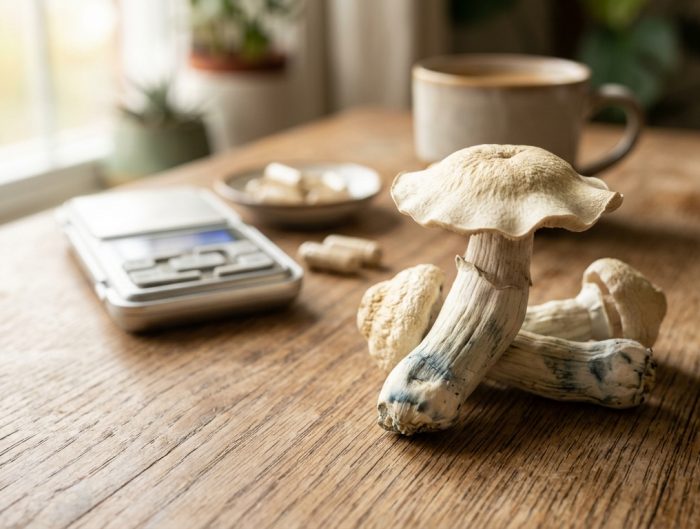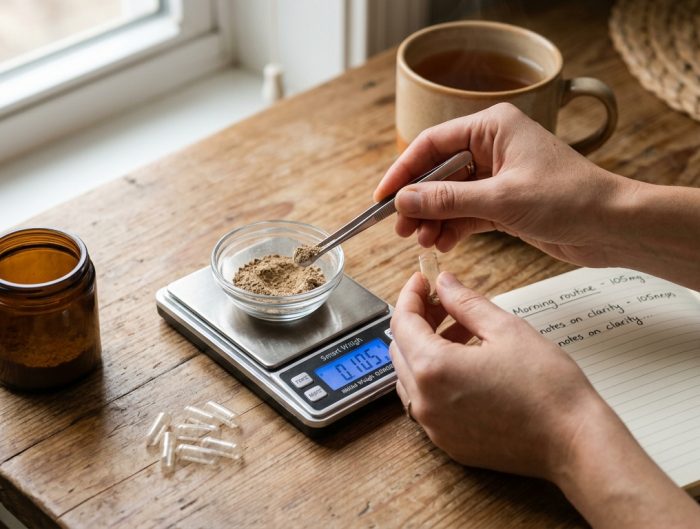
For many people curious about psilocybin, the idea of measuring out dried mushroom material and hoping for consistent experiences feels like guesswork. Maybe you’ve been there: weighing out a small amount, not quite sure if this batch is stronger or weaker than the last, wondering why Tuesday’s microdose felt different from Saturday’s. That uncertainty can be discouraging, especially if you’re someone who values precision and wants to approach this practice thoughtfully. A psilocybin tincture offers something different: a liquid extract that allows for measured, repeatable dosing in a form your body can absorb more efficiently. Whether you’re exploring microdosing for the first time or looking for a more reliable way to work with psilocybin, understanding what tinctures are, how they work, and what they can offer is a worthwhile place to begin. This guide walks through the composition, benefits, practical uses, and safety considerations so you can make informed decisions at your own pace.
Understanding Psilocybin Tinctures and Their Composition
A tincture, in the simplest terms, is a concentrated liquid extract. If you’ve ever used herbal tinctures like echinacea or valerian root, the concept is identical: active compounds are pulled from raw material into a liquid solvent, creating a potent, shelf-stable preparation. With psilocybin-containing mushrooms, the goal is to extract the primary active compounds, psilocybin and psilocin, into a solution that can be dosed with a dropper.
The base material is typically a species like Psilocybe cubensis, though other species are sometimes used depending on regional availability and desired alkaloid profiles. The mushroom material is finely ground and then soaked in a solvent, most commonly high-proof ethanol, for a period ranging from several days to several weeks. During this time, the solvent draws out the psychoactive alkaloids along with other water-soluble and alcohol-soluble compounds present in the fungal tissue.
What you end up with is a dark, concentrated liquid that contains a known quantity of active material per milliliter. This is the key advantage: instead of relying on the natural variability found in whole dried mushrooms, where psilocybin content can differ significantly even between specimens from the same flush, a well-prepared tincture distributes the alkaloids evenly throughout the solution. One dropper full is essentially the same as the next.
The Extraction Process: Alcohol vs. Dual-Extract Methods
The most straightforward method uses ethanol alone, typically a food-grade alcohol at 90% or higher proof. The dried, powdered mushroom material is combined with the alcohol in a sealed glass container and left to macerate. Some preparations call for occasional agitation, shaking the jar once or twice daily, to encourage thorough extraction. After two to four weeks, the liquid is strained through cheesecloth or a fine mesh filter, and the spent mushroom material is discarded.
Ethanol is effective because psilocybin is soluble in both water and alcohol, so a high-proof spirit captures the target compounds efficiently. The resulting tincture is stable, resistant to microbial contamination due to the alcohol content, and easy to dose using a graduated dropper.
A dual-extract method takes things a step further. This approach uses both a water extraction and an alcohol extraction, then combines the two. The water phase is typically a gentle simmer or a long cold-water soak, designed to pull out compounds that are more readily water-soluble, including certain polysaccharides and secondary metabolites that may contribute to the overall experience profile. The alcohol phase handles the alkaloids and other alcohol-soluble constituents. The two extracts are then blended, sometimes with the water phase reduced down first to concentrate it.
Dual extraction is borrowed from traditional herbalism and functional mushroom preparation, where it’s standard practice for species like reishi and chaga. Whether it meaningfully changes the experience profile of a psilocybin tincture compared to a straight ethanol extraction is still a matter of anecdotal debate rather than settled science. Some people report a “fuller” or “smoother” experience from dual extracts, but individual variability makes these claims hard to verify.
If you’re making or sourcing a tincture, the single ethanol method is simpler, more widely documented, and perfectly adequate for consistent psilocybin extraction. The dual method is worth exploring if you’re already comfortable with the basics and want to experiment.
Bioavailability and Faster Absorption Rates
One of the most practical reasons people choose a liquid extract over dried mushrooms is absorption speed. When you eat dried mushroom material, your digestive system has to break down chitin, the tough structural polymer that makes up fungal cell walls, before it can access the psilocybin inside. This process takes time and varies from person to person depending on stomach acidity, enzyme activity, and what else you’ve eaten recently.
A tincture bypasses much of this work. The psilocybin has already been extracted from the cellular matrix and is dissolved in liquid form. When you place drops under your tongue, a method called sublingual administration, the active compounds absorb directly through the thin mucous membranes into the bloodstream. This means onset can be noticeably faster, sometimes within 15 to 20 minutes compared to 30 to 60 minutes with dried material.
Bioavailability, the percentage of an ingested substance that actually reaches systemic circulation, tends to be higher with sublingual delivery as well. When you swallow dried mushrooms, some of the psilocybin is metabolized by the liver before it ever reaches the brain, a phenomenon called first-pass metabolism. Sublingual absorption partially circumvents this, allowing more of the active compound to reach its target.
For microdosers especially, this matters. When you’re working with very small amounts and trying to stay below the perceptual threshold, even minor differences in absorption can affect whether a dose feels “right” or slightly off. A tincture gives you more control over that experience.
Key Therapeutic Benefits for Mental Health
Research into psilocybin’s potential for supporting mental health has accelerated dramatically over the past several years. By 2026, multiple Phase II and Phase III clinical trials have been completed or are underway across institutions in the United States, Europe, and Australia. The findings, while still emerging, point consistently toward psilocybin’s capacity to reduce depressive and anxious states, particularly in populations that haven’t responded well to conventional approaches.
What makes psilocybin interesting from a therapeutic standpoint is its mechanism of action. Unlike SSRIs, which modulate serotonin reuptake on an ongoing daily basis, psilocybin (and its active metabolite psilocin) acts as a serotonin 5-HT2A receptor agonist. This interaction appears to temporarily increase communication between brain regions that don’t normally talk to each other, disrupting rigid patterns of thought and opening a window for new perspectives.
The tincture format is particularly well-suited to therapeutic contexts because of the dosing precision it allows. Therapists and facilitators working in jurisdictions where psilocybin-assisted therapy is permitted can administer exact amounts, titrate doses for individual sensitivity, and maintain consistency across sessions. This isn’t a minor detail: reproducibility is one of the foundations of responsible therapeutic practice.
Managing Treatment-Resistant Depression and Anxiety
The term “treatment-resistant” describes depression or anxiety that hasn’t improved after two or more adequate trials of conventional medication. For the people living with this, it’s an exhausting reality: cycling through prescriptions, adjusting doses, managing side effects, and still feeling stuck. Psilocybin research has shown particular promise for this population.
A landmark study published in The New England Journal of Medicine found that a single 25 mg dose of synthetic psilocybin produced significant reductions in depression scores compared to placebo, with effects lasting weeks to months in some participants. Follow-up research has supported these findings, and several regulatory bodies, including the FDA, have granted psilocybin “breakthrough therapy” designation for treatment-resistant depression.
It’s worth being honest here: psilocybin is not a guaranteed fix, and the research, while promising, comes with caveats. Most clinical trials involve carefully controlled settings, professional facilitation, and integration therapy before and after the psilocybin session. The substance itself appears to be one piece of a larger process, not a standalone solution.
For people exploring lower-dose approaches on their own, a tincture can support a gradual, measured entry point. Starting with sub-perceptual amounts and slowly adjusting allows you to observe how your mood, energy, and thought patterns respond over time. At Healing Dose, we emphasize this kind of patient, reflective approach: journaling your observations, noting what shifts and what doesn’t, and being honest with yourself about what you’re experiencing.
Anxiety, particularly existential anxiety related to serious illness, has also been a focus of clinical research. Studies at Johns Hopkins and NYU found that psilocybin-assisted sessions produced lasting reductions in anxiety and improvements in quality of life for patients with life-threatening cancer diagnoses. These findings don’t translate directly to everyday anxiety management, but they suggest that psilocybin interacts with fear and rumination in ways that conventional anxiolytics often don’t.
Enhancing Neuroplasticity and Cognitive Flexibility
Neuroplasticity refers to the brain’s ability to form new neural connections and reorganize existing ones. It’s the biological basis for learning, adaptation, and recovery from injury. Research suggests that psilocybin promotes neuroplasticity, particularly through increased expression of brain-derived neurotrophic factor (BDNF) and enhanced dendritic spine growth in cortical neurons.
In plainer terms: psilocybin appears to help the brain become more flexible, more willing to form new pathways rather than defaulting to well-worn grooves. If you’ve ever felt stuck in repetitive thought loops, the same worries circling endlessly, the same emotional reactions firing automatically, this is the rigidity that neuroplasticity can counteract.
A 2023 study from researchers at Yale found that a single dose of psilocybin increased dendritic spine density in the prefrontal cortex of mice, and that these structural changes persisted for at least a month. Human neuroimaging studies have shown similar patterns: reduced activity in the default mode network (the brain system associated with self-referential thinking and rumination) and increased connectivity between brain regions that are typically segregated.
For microdosers, the neuroplasticity angle is especially compelling. Even at sub-perceptual doses, there’s reason to believe that regular, low-level serotonin receptor activation could support gradual increases in cognitive flexibility. Many people who microdose report feeling less “stuck” over time, more open to new approaches at work, in relationships, and in their internal dialogue. These are subtle shifts, not dramatic overnight changes, and they tend to accumulate over weeks and months of consistent practice paired with intentional reflection.
This is one reason we encourage journaling as part of any microdosing protocol at Healing Dose. The changes can be so quiet that you might not notice them unless you’re actively tracking your inner experience. A brief daily note about your mood, creativity, and thought patterns creates a record you can look back on and actually see the trajectory.
Practical Advantages Over Dried Mushrooms
Beyond the therapeutic and neurological considerations, there are straightforward practical reasons why someone might choose a liquid extract over raw dried material. These aren’t glamorous selling points, but they matter in daily life, especially if you’re building a consistent practice.
Precision Dosing and Consistency
This is the single biggest advantage. A standard dropper delivers a known volume, and if the tincture has been properly prepared and shaken before use, each dropper contains essentially the same concentration of active compounds. Compare this to dried mushrooms, where psilocybin content can vary by a factor of two or more between individual specimens, even from the same growing batch.
When you’re microdosing, you’re typically working with amounts between 50 and 200 milligrams of dried mushroom equivalent. At these tiny quantities, even small variations in potency can mean the difference between feeling nothing and feeling slightly too much. A tincture lets you dial in your dose with a level of precision that’s simply not possible with whole dried material.
Here’s a practical example. Say your tincture is prepared at a ratio of 1 gram of dried mushroom per 10 milliliters of alcohol. Each milliliter contains roughly 100 milligrams of mushroom equivalent. A standard dropper holds about 1 milliliter. If you want a 50-milligram dose, you take half a dropper. If you want 75 milligrams, you take three-quarters. This kind of granular control is enormously helpful when you’re trying to find your personal threshold.
Shelf-Life and Long-Term Potency Preservation
Dried mushrooms degrade over time. Psilocybin is sensitive to heat, light, and oxygen, and even properly stored dried material will lose potency over months. If you’ve ever noticed that mushrooms stored for six months or more seem weaker than fresh ones, this is why.
Alcohol-based tinctures are significantly more stable. The ethanol acts as both a solvent and a preservative, protecting the dissolved alkaloids from oxidation and microbial contamination. Stored in a dark glass bottle in a cool location, a well-made tincture can maintain its potency for a year or longer with minimal degradation.
This stability is practical for anyone on a microdosing schedule. You can prepare or purchase a tincture, calibrate your dose, and use it consistently over several months without worrying about declining potency throwing off your protocol. It removes one more variable from an already nuanced practice.
Mitigating Gastrointestinal Distress and Nausea
If you’ve ever eaten dried mushrooms and spent the first hour feeling queasy, you’re not alone. Nausea is one of the most commonly reported unpleasant aspects of consuming psilocybin mushrooms, and it’s largely caused by the chitin and other indigestible components of the raw fungal material rather than by the psilocybin itself.
A tincture sidesteps this problem almost entirely. Because the active compounds have been extracted and separated from the bulk mushroom material, there’s very little left to irritate the stomach. Sublingual dosing further reduces GI involvement since the compounds absorb through the mouth rather than passing through the digestive tract.
For people with sensitive stomachs or conditions like IBS, this can be the deciding factor. Nausea isn’t just uncomfortable: it can color the entire experience, creating anxiety and tension that work against the very openness and calm you’re trying to cultivate. Removing that barrier makes the practice more accessible and more pleasant.
Some people still experience mild stomach awareness even with tinctures, particularly if they swallow the liquid rather than holding it under the tongue. If this happens to you, try holding the tincture sublingually for 60 to 90 seconds before swallowing, and consider dosing on a mostly empty stomach with a small amount of ginger tea.
Common Uses: From Microdosing to Therapeutic Journeys
The versatility of a liquid psilocybin extract is one of its most appealing qualities. The same bottle can serve someone microdosing at barely perceptible levels and someone preparing for a deeper, more intentional session. The difference is simply how much you take.
Sub-Perceptual Dosing for Daily Focus
Microdosing means taking an amount small enough that you don’t feel any overt psychoactive shifts. The term “sub-perceptual” gets used a lot, and it means exactly what it sounds like: below the threshold of perception. You shouldn’t feel altered, spacey, or distracted. If anything, a well-calibrated microdose should feel like a slightly better version of a normal day.
Common microdosing protocols include the Fadiman protocol (one day on, two days off) and the Stamets Stack (four days on, three days off, sometimes combined with lion’s mane and niacin). A tincture makes following these schedules straightforward because the dosing is quick, discreet, and consistent.
Most people find their microdose sweet spot somewhere between 50 and 150 milligrams of dried mushroom equivalent, though individual sensitivity varies widely. Think of it like caffeine: some people feel jittery after half a cup of coffee, while others can drink three cups and barely notice. Your personal threshold is yours alone, and finding it requires patience and self-observation.
Here’s what a typical microdosing morning might look like:
- Wake up and take your tincture dose sublingually before breakfast
- Spend five minutes journaling about your intention for the day or simply noting your current mood
- Go about your day, paying gentle attention to your energy, focus, and emotional responses
- In the evening, jot down a few sentences about what you noticed
This isn’t complicated, and that’s the point. The practice works best when it’s simple enough to sustain. Over weeks, the journal entries start to reveal patterns: maybe you notice more creative flow on dose days, or perhaps you find yourself responding to stressful situations with a bit more spaciousness. These are the quiet changes that make microdosing interesting, and they’re easy to miss without a written record.
Some days, honestly, nothing happens. You feel completely normal. That’s fine and expected. Not every dose day will produce noticeable shifts, and the absence of obvious changes doesn’t mean nothing is happening at a neurological level. The cumulative picture matters more than any single day.
Facilitating Spiritual and Meditative Practices
At higher doses, psilocybin has a long history of use in spiritual and contemplative contexts. Indigenous Mazatec traditions in Mexico have used psilocybin mushrooms ceremonially for centuries, and modern practitioners often approach larger doses with similar intentionality, treating the experience as a form of inner exploration rather than recreation.
A tincture is well-suited to these contexts because it allows precise calibration of the experience intensity. Someone preparing for a meditative session might choose a moderate dose, enough to deepen introspection and emotional access without fully dissolving the sense of self. This is sometimes called a “museum dose” in informal communities, roughly 0.5 to 1.5 grams of dried equivalent, enough to shift perception gently while maintaining functional awareness.
For deeper sessions, typically in the range of 2 to 5 grams of dried equivalent, the tincture format offers the same advantages of faster onset and reduced nausea, though the experience itself will be shaped far more by set, setting, and personal readiness than by the delivery method.
If you’re considering a larger dose experience, preparation matters enormously. This isn’t something to do casually or impulsively. Spend time clarifying your intention, choose a safe and comfortable environment, and ideally have a trusted sitter present, someone sober who can offer reassurance if the experience becomes challenging. Integration afterward, processing what came up through journaling, conversation, or quiet reflection, is what turns a temporary experience into lasting personal growth.
Safety, Legality, and Responsible Consumption
Any honest conversation about psilocybin has to include its risks, limitations, and legal status. Enthusiasm is fine, but it needs to be grounded in reality. Psilocybin is a powerful psychoactive substance, and treating it with respect isn’t optional.
Understanding Set, Setting, and Supervision
“Set and setting” is a concept popularized by Timothy Leary in the 1960s, but it remains the single most important framework for safe psilocybin use. “Set” refers to your mindset: your emotional state, expectations, fears, and intentions going into the experience. “Setting” refers to your physical and social environment: where you are, who you’re with, and how safe and comfortable you feel.
These factors influence the experience far more than the dose itself. The same amount of psilocybin can produce a profoundly peaceful experience in one context and a deeply uncomfortable one in another. This is true even at microdose levels, though the stakes are obviously lower when you’re working with sub-perceptual amounts.
For microdosing, “set and setting” might simply mean choosing a calm morning to start rather than a high-stress workday. It means being honest with yourself about your current emotional state and not using psilocybin as an escape from difficult feelings you need to actually process. It means having realistic expectations: microdosing is a subtle practice, not a dramatic intervention.
For larger doses, the considerations become more serious:
- Choose a day when you have no obligations and won’t be interrupted
- Be in a space where you feel physically and emotionally safe
- Have a sitter present, someone you trust completely who understands the experience
- Avoid combining psilocybin with other substances, particularly lithium, tramadol, or MAOIs, which can cause dangerous interactions
- Don’t dose if you’re in an acutely distressed emotional state or if you have a personal or family history of psychotic disorders
Supervision matters. The clinical trials showing positive outcomes for psilocybin almost universally involve trained facilitators who provide support before, during, and after the session. If you’re working with larger doses outside a clinical setting, having an experienced, sober sitter present is the closest equivalent, and it’s not something to skip.
Navigating the Current Legal Landscape
The legal status of psilocybin varies enormously depending on where you live, and it’s changing rapidly. As of 2026, the picture looks something like this:
In the United States, psilocybin remains a Schedule I controlled substance at the federal level. However, several states and cities have moved to decriminalize or regulate it. Oregon’s Measure 109, which passed in 2020, created a framework for licensed psilocybin service centers that became operational in 2023. Colorado followed with its own regulated access program. Cities including Denver, Oakland, Santa Cruz, Seattle, and Washington D.C. have deprioritized enforcement of psilocybin possession laws.
Australia became the first country to formally reschedule psilocybin for therapeutic use, allowing authorized psychiatrists to prescribe it for treatment-resistant depression beginning in July 2023. Canada has granted individual exemptions for psilocybin therapy and has a growing number of practitioners operating under Section 56 exemptions.
In much of Europe, psilocybin remains illegal, though the Netherlands famously permits the sale of psilocybin-containing truffles (sclerotia) through licensed smart shops. Jamaica has no laws prohibiting psilocybin, making it a destination for retreat-style experiences.
The legal landscape is genuinely in flux, and what’s true today may shift within months. Before obtaining, preparing, or using a psilocybin tincture, you need to understand the specific laws in your jurisdiction. “Decriminalized” does not mean “legal,” and the distinction matters. Decriminalization typically means that enforcement is a low priority, not that possession or use carries no legal risk.
We don’t encourage anyone to break the law, and we recognize that legal access remains limited for most people. What we do encourage is staying informed, supporting policy reform efforts if this matters to you, and making decisions with full awareness of the legal context you’re operating in.
Finding Your Path Forward
Psilocybin in tincture form represents a thoughtful evolution in how people work with this ancient compound. The precision, consistency, and gentler physical experience it offers make it particularly well-suited to microdosing protocols and carefully structured therapeutic sessions. But the delivery method is just one piece of the puzzle. What matters most is the intention, self-awareness, and patience you bring to the practice.
If you’re just starting out, go slowly. Begin with the smallest dose you think might be relevant, observe carefully, write things down, and give yourself permission to adjust. There’s no rush, and the most meaningful changes tend to reveal themselves gradually, over weeks and months of consistent, reflective practice.
If you’re unsure where to begin with dosing, our short quiz can help you find your starting point based on your goals, experience level, and personal sensitivity. It’s designed to give you a gentle, informed place to start rather than a one-size-fits-all number.
Whatever your path looks like, approach it with curiosity, honesty, and respect for both the substance and yourself. The quietest practices often teach us the most.

You might also like