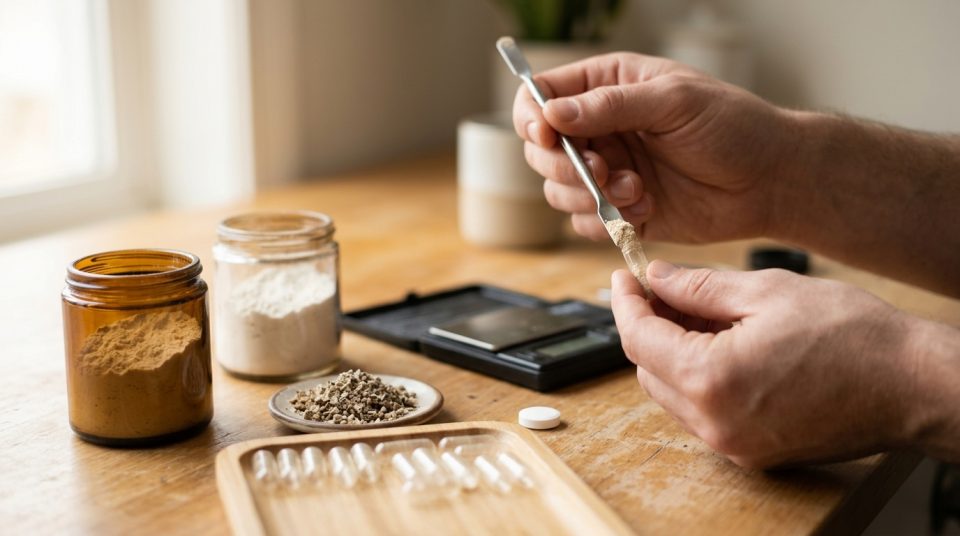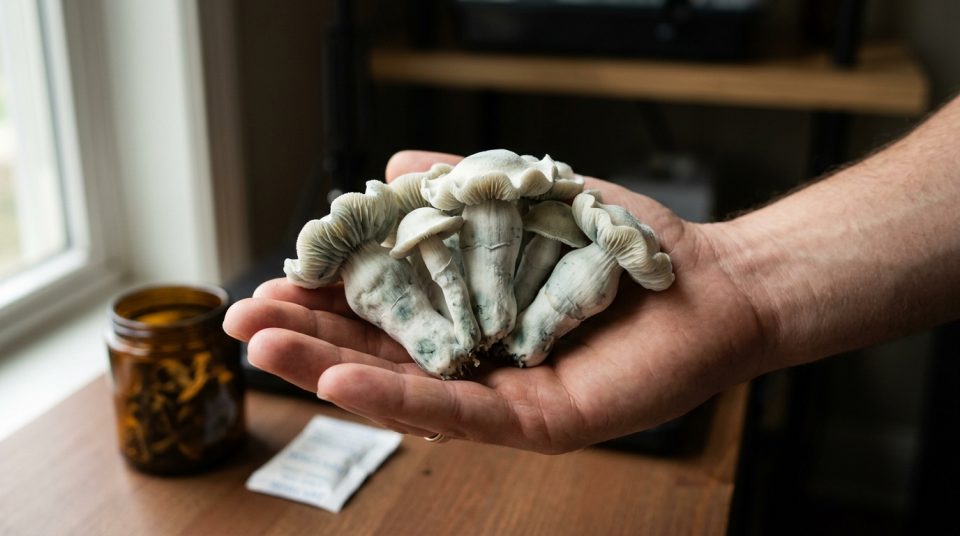
Two mushrooms, both steeped in centuries of human use, and yet they could hardly be more different. If you've been curious about the differences between Amanita muscaria and psilocybin mushrooms, …
Your brain is constantly changing, building new connections and pruning old ones based on what you feed it, how you move, and what you practice. That biological reality is exactly …
Two substances dominate conversations about psychedelic experiences, and for good reason: psilocybin and LSD have shaped decades of countercultural history, spiritual practice, and now clinical research. Yet despite being grouped …
Most people who microdose take their dose first thing in the morning, usually alongside breakfast or a cup of coffee. The logic is straightforward: you want whatever subtle shift a …
You've carefully measured your microdose, found a protocol that feels right, and started noticing those quiet, subtle shifts in your day-to-day awareness. But here's something that catches a lot of …
Most people drink coffee the same way: pour a full cup, gulp it down, maybe pour another. But what if the secret to better focus, steadier energy, and fewer jitters …
The conversation around microdosing has expanded well beyond creativity and mood support. More people are asking a question that deserves careful, honest attention: what happens to blood sugar when you …
There's a particular kind of exhaustion that comes from trying to feel better by pretending you already do. You paste on a smile, repeat affirmations that ring hollow, and scroll …
Microdosing has gained significant attention as a practice for supporting mental well-being, creativity, and emotional flexibility. But the conversation often skews toward the positive, and that leaves a gap for …
The idea of combining a microdose of psilocybin mushrooms with a fasting protocol might sound like a niche biohacking experiment, but it's actually a question we hear more and more …