If you’ve been living with depression that hasn’t responded well to conventional approaches, you’re not alone, and you’re probably tired of hearing “just give it more time.” The growing availability of psilocybin treatment centers for depression is offering a genuinely different path forward, one grounded in clinical research and supported by trained professionals. Whether you’re cautiously curious or actively researching your options, this guide walks you through what these centers look like, how to evaluate them, and what the experience actually involves. You deserve clear, honest information – not hype – so that’s exactly what we’re providing here.
The Evolving Landscape of Psilocybin Therapy for Depression
The conversation around psilocybin and depression has shifted dramatically over the past few years. What was once a fringe topic discussed in hushed tones is now the subject of rigorous clinical trials, state legislation, and serious medical debate. For people who’ve struggled with treatment-resistant depression, this shift represents something genuinely meaningful: a new category of support that works differently from anything currently available.
How Psilocybin Affects the Depressed Brain
Psilocybin works primarily by binding to serotonin 2A receptors in the brain, which triggers a cascade of changes in neural connectivity. Research published through the NIH suggests that psilocybin promotes increased communication between brain regions that are typically siloed in people experiencing depression. Think of it like temporarily loosening rigid thought patterns that keep you stuck in the same loops of rumination and hopelessness.
This isn’t about simply flooding your brain with serotonin the way an SSRI might. Instead, psilocybin appears to create a window of heightened neuroplasticity, a period where the brain becomes more flexible and open to forming new connections. That window is exactly why integration work after a session matters so much – but we’ll get to that shortly.
FDA Breakthrough Therapy Designation and Research Trends
The FDA granted psilocybin its Breakthrough Therapy designation for treatment-resistant depression back in 2018, which fast-tracked the research process considerably. Since then, Compass Pathways’ COMP360 has become the first classic psychedelic to produce two successful Phase 3 results for treatment-resistant depression, with a commercial launch projected in the coming years.
The FDA has continued to prioritize this review pathway, and the Phase 3 trial results have been encouraging enough to keep the momentum building. This doesn’t mean psilocybin is a guaranteed answer for everyone, but the data is strong enough that the medical establishment is paying serious attention.
What to Expect During a Treatment Center Visit
Walking into a psilocybin center for the first time can feel intimidating. That’s completely normal. Understanding the structure of the experience beforehand can take a lot of that anxiety away.
The Preparation Phase and Screening Process
Before you ever take a dose, you’ll go through a thorough screening. This typically includes a psychiatric evaluation, a review of your medical history, and conversations about your current medications. Certain medications, particularly lithium and MAOIs, are contraindicated with psilocybin, so this step isn’t optional – it’s essential.
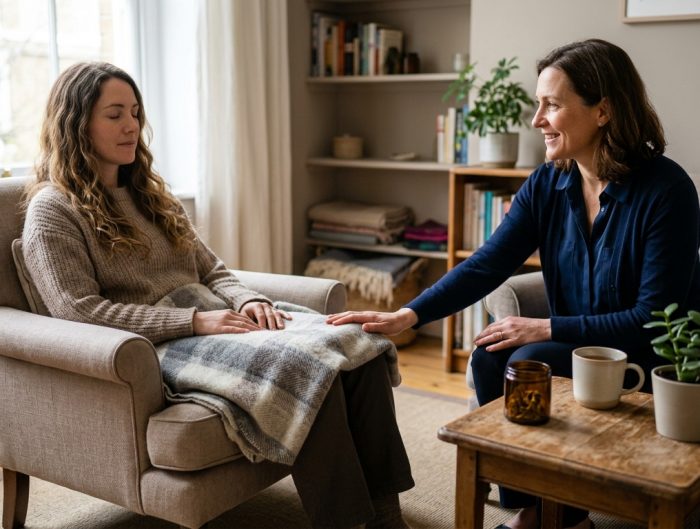
You’ll also have one or more preparatory sessions with a facilitator. These conversations help you set intentions, discuss what you might experience, and build trust with the person who’ll be guiding you. At Healing Dose, we consistently emphasize that preparation is half the work. Going in with clear intentions and realistic expectations makes a measurable difference in how people process the experience afterward.
The Guided Dosing Session Experience
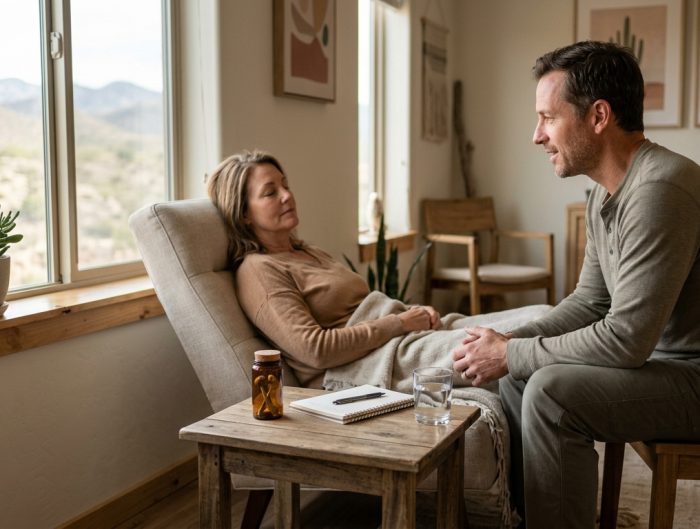
The session itself usually takes place in a comfortable, carefully designed room – think soft lighting, a couch or reclining chair, and calming music. You’ll typically receive a measured dose of synthetic psilocybin (in clinical settings) or prepared mushroom material (in state-regulated programs), and a trained facilitator stays with you the entire time.
Sessions generally last between four and six hours. The experience varies widely from person to person. Some people describe vivid imagery and emotional release; others report a quiet, reflective state. There’s no “right” way to experience it. Your facilitator is there to provide reassurance and support, not to direct the experience.
Integration Therapy: Processing the Journey
This is the part that often gets overlooked, and it’s arguably the most important. Integration therapy happens in the days and weeks following your session. It involves working with a therapist or counselor to make sense of what came up, identify patterns, and translate insights into real changes in your daily life.
Without integration, even a profound session can fade into a nice memory without lasting impact. Journaling, reflection exercises, and follow-up conversations are all part of this process. We talk about this a lot at Healing Dose because we’ve seen firsthand how the quiet work of integration turns a single experience into sustained personal growth.
Legal Status and Geographic Availability
The legal picture for psilocybin is complicated and still evolving. Where you live determines what’s available to you right now.
State-Regulated Programs in Oregon and Colorado
Oregon launched its regulated psilocybin services program in 2023, making it the first U.S. state to allow supervised psilocybin use outside of clinical trials. Colorado followed with its own framework under the Natural Medicine Health Act, which has been rolling out licensed facilitator programs and service centers.
Both states require facilitators to complete approved training programs and operate within strict safety guidelines. You don’t need a diagnosis to access these services in Oregon or Colorado, though the programs are designed with therapeutic intent in mind. Other states are watching closely, and several have introduced similar legislation in 2025 and 2026.
International Retreats and Clinical Trial Access
If you’re outside Oregon or Colorado, you still have options. Clinical trials remain available through university research centers and companies like Compass Pathways. Enrollment criteria vary, but treatment-resistant depression is often a qualifying condition. You can search for active trials through ClinicalTrials.gov.
International retreats in Jamaica, the Netherlands, and Costa Rica also offer legal psilocybin experiences, though the quality and safety standards vary enormously. Do your homework before booking anything. A beautiful website doesn’t guarantee qualified facilitators or proper medical screening.
Key Criteria for Choosing a Safe Facility
Not all psilocybin centers are created equal. Your safety depends on asking the right questions before you commit.
Medical Supervision and Facilitator Qualifications
Look for centers that employ or consult with licensed mental health professionals – psychiatrists, psychologists, or licensed clinical social workers with specific training in psychedelic-assisted therapy. In Oregon and Colorado, facilitators must complete state-approved training programs, which is a good baseline.
Ask about their experience level. How many sessions have they facilitated? What’s their background in mental health care? A facilitator with 200 supervised sessions is in a very different position than someone who just completed their certification last month.
Safety Protocols and Contraindications
A responsible center will have clear protocols for medical emergencies, psychological distress during sessions, and follow-up care. They should ask you detailed questions about:
- Current medications: especially SSRIs, SNRIs, lithium, and MAOIs
- Cardiovascular health: psilocybin can temporarily raise heart rate and blood pressure
- Personal and family psychiatric history: particularly regarding psychotic disorders or bipolar I
- Substance use history: active substance use disorders may require stabilization first
If a center doesn’t conduct thorough screening, that’s a red flag. Walk away.
Cost, Accessibility, and Insurance Considerations
This is where things get real. Psilocybin therapy isn’t cheap, and insurance coverage remains extremely limited in 2026. A single guided session in Oregon typically costs between $1,000 and $3,500, depending on the center, session length, and level of support included. When you factor in preparation sessions, integration therapy, and travel, the total cost of a complete experience can reach $5,000 or more.
Most private insurance plans don’t cover psilocybin services yet, though some centers offer sliding-scale fees or payment plans. Clinical trials, on the other hand, are typically free to participants, which makes them worth exploring if you qualify. As FDA approval moves forward, insurance coverage will likely follow, but that timeline remains uncertain.
Some people find that a single well-supported session provides meaningful relief, while others benefit from a series of sessions spaced weeks or months apart. Your facilitator can help you think through what makes sense given your situation and budget.
Preparing for Long-Term Mental Health Outcomes
A single psilocybin session isn’t a permanent fix for depression, and anyone who tells you otherwise isn’t being honest. What the research consistently shows is that psilocybin can create a meaningful shift in how you relate to your own thoughts and emotions, but sustaining that shift requires ongoing effort.
Think of the session as opening a door. Integration work, continued therapy, lifestyle adjustments, and reflective practices like journaling are what help you walk through it and stay on the other side. Some people notice subtle but real changes in their baseline mood over weeks and months: less reactivity, more openness, a quiet reduction in the heaviness that depression brings. These aren’t dramatic overnight transformations. They’re gradual, and they require your active participation.
If you’re exploring psilocybin therapy for depression, take your time with the decision. Research your options, ask hard questions of any center you’re considering, and make sure you have a support system in place for after the experience. This is a deeply personal process, and there’s no rush.
For those of you who are also curious about microdosing as a gentler, ongoing complement to your mental health practice, finding the right starting point matters. Take the dose quiz to identify a gentle starting range based on your goals, experience, and sensitivity – it’s a thoughtful first step you can take at your own pace.

You might also like