Massachusetts is quietly becoming one of the most interesting states to watch if you’re curious about psilocybin-assisted therapy. Between municipal decriminalization votes, a historic legislative amendment, and a growing network of clinical researchers, the Commonwealth is carving out a path that balances caution with genuine progress. If you’ve been wondering about the status of psilocybin therapy in Massachusetts and how you might actually access it, you’re in the right place. The picture is still evolving, but the pieces are falling into place faster than many people realize. Whether you’re someone managing persistent depression, processing grief, or simply trying to understand what options exist, this guide will walk you through the legal realities, the clinical research, and the practical steps you can take right now.
Current Legal Landscape of Psilocybin in Massachusetts
Understanding where psilocybin stands legally in Massachusetts requires looking at two distinct layers: what individual cities have done, and what the state legislature is doing. These two tracks are moving at different speeds, but both point in the same direction.
Decriminalization Efforts at the Municipal Level
Several Massachusetts cities have taken the lead by passing measures to deprioritize enforcement of laws against psilocybin and other entheogenic plants. Somerville became one of the first in 2021, followed by Cambridge, Northampton, and Easthampton. These local resolutions don’t make psilocybin legal – they simply instruct local law enforcement to treat possession as the lowest priority. A growing number of cities across the country have taken similar decriminalization steps, and Massachusetts municipalities have been among the most active.
What does this mean for you practically? If you’re in one of these cities, you’re unlikely to face prosecution for personal possession, but you’re still technically in violation of state and federal law. It’s a gray area, and it’s worth understanding the distinction before making any personal decisions.
Statewide Legislative Updates and Ballot Initiatives
The bigger story is happening at the state level. The Massachusetts House of Representatives passed a psilocybin-assisted therapy pilot program amendment with a decisive 148-2 vote, signaling overwhelming bipartisan support. This amendment would create a regulated framework for therapeutic use under professional supervision, not a free-for-all legalization model.
Lawmakers have also approved bills to create psychedelic therapy pilot programs that would allow licensed clinicians to administer psilocybin in controlled settings. As of 2026, the regulatory details are still being finalized, but the legislative momentum is clear. Ballot initiatives remain another possible route, with public opinion polls showing strong support for regulated therapeutic use among Massachusetts residents.
Therapeutic Frameworks and Clinical Research
The clinical side of psilocybin therapy is where science meets real human need. Massachusetts is home to some of the country’s most respected research institutions, and several are actively studying how psilocybin can support mental health.
Ongoing Clinical Trials in Boston Medical Hubs
Boston’s concentration of world-class hospitals and universities makes it a natural hub for psychedelic research. Massachusetts General Hospital, Harvard Medical School affiliates, and Boston University have all been involved in studies examining psilocybin’s potential. These trials follow rigorous FDA protocols: participants receive carefully measured doses in supervised settings, with extensive psychological support before, during, and after sessions.
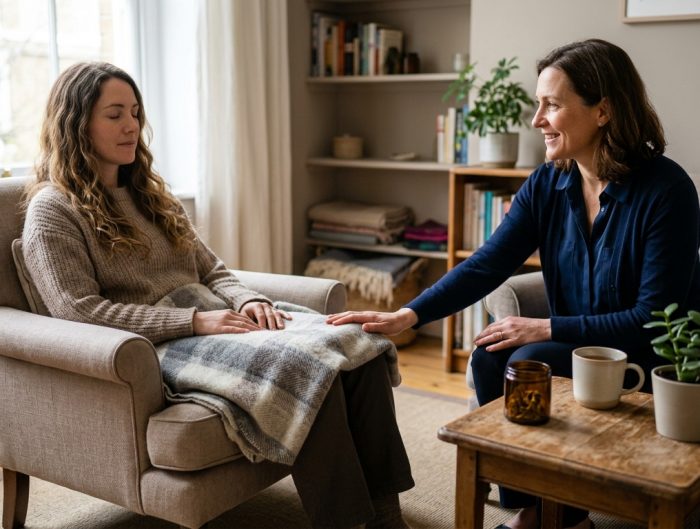
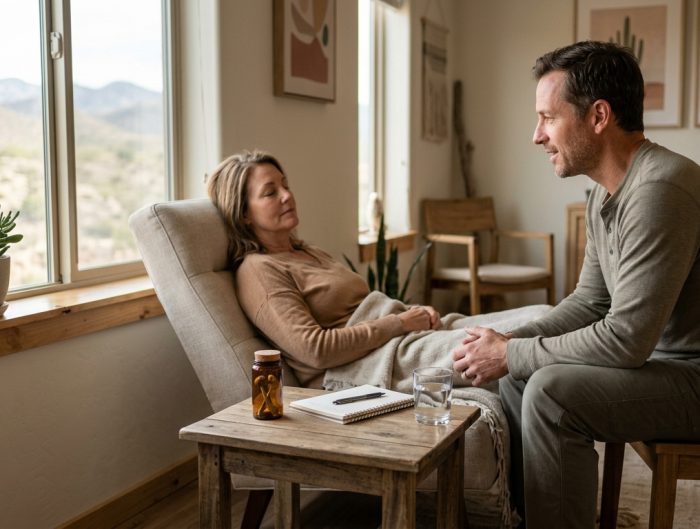
If you’re imagining a sterile, impersonal lab experience, the reality is quite different. Most clinical trial settings are designed to feel comfortable and safe, with trained therapists present throughout. Sessions typically last six to eight hours, and participants are never left alone during the experience.
Conditions Treated: Depression, PTSD, and End-of-Life Care
The strongest research evidence so far centers on a few specific areas. Treatment-resistant depression, meaning depression that hasn’t responded to conventional medications, is the most studied application. PTSD, particularly in veterans and survivors of trauma, is another active area of investigation. And end-of-life distress, the anxiety and existential suffering that often accompanies terminal diagnoses, has shown some of the most moving results in early studies.
These aren’t overnight fixes. The therapeutic model involves preparation sessions before psilocybin is administered, the session itself, and then integration work afterward. That integration piece, which includes journaling, reflection, and ongoing conversations with a therapist, is where lasting changes tend to take root. At Healing Dose, we emphasize this integration process because the substance alone isn’t what creates meaningful shifts: it’s what you do with the experience afterward.
Accessing Psilocybin-Assisted Therapy
So how do you actually participate? Right now, access in Massachusetts falls into two main categories: clinical trials and adjacent therapeutic services.
Navigating Clinical Trial Enrollment
Clinical trials are currently the most legitimate way to receive psilocybin-assisted therapy in Massachusetts. Here’s what the enrollment process generally looks like:
- Search ClinicalTrials.gov for active psilocybin studies recruiting in Massachusetts
- Review eligibility criteria carefully – most trials have specific diagnostic requirements
- Complete a screening process that typically includes medical history review, psychiatric evaluation, and sometimes blood work
- If accepted, commit to the full protocol, which usually spans several weeks to months
Don’t be discouraged if you don’t qualify for the first trial you find. Eligibility criteria can be narrow, and new studies open regularly. Keep checking back, and consider registering your interest with multiple research teams.
Costs for clinical trial participation are typically covered by the research institution, meaning you won’t pay for the psilocybin sessions themselves. This is a significant advantage, since psychedelic-assisted therapy can cost anywhere from $1,500 to $5,000 or more per session in private settings.
The Role of Ketamine Clinics and Integration Coaches
While psilocybin remains unavailable through standard medical channels, ketamine-assisted therapy is legal and available at licensed clinics throughout Massachusetts. Many people exploring psychedelic-assisted approaches start here. Ketamine clinics can provide a structured, supervised experience that shares some therapeutic principles with psilocybin therapy, including the emphasis on set, setting, and integration.
Integration coaches and psychedelic-informed therapists are another growing resource. These professionals don’t administer substances, but they help you process and make sense of psychedelic experiences, whether from a clinical trial, a ketamine session, or past personal experiences. Healing Dose’s resources on integration practices, including journaling prompts and reflection frameworks, can complement this kind of professional support.
Safety, Ethics, and Professional Standards
Any conversation about psilocybin therapy has to include a serious discussion of safety. This isn’t a casual undertaking, and not everyone is a good candidate.
Screening Protocols and Contraindications
Reputable clinical programs screen participants thoroughly. Key contraindications include:
- Personal or family history of psychotic disorders (schizophrenia, bipolar I with psychotic features)
- Current use of certain medications, particularly SSRIs and lithium, which can interact unpredictably
- Cardiovascular conditions that may be affected by temporary increases in heart rate and blood pressure
- Active substance use disorders that could complicate the therapeutic process
If you have any of these risk factors, that doesn’t necessarily mean psilocybin therapy will never be appropriate for you, but it does mean you need to be completely transparent with any clinician or researcher you work with. Honesty during screening isn’t just a formality: it’s how you stay safe.
Finding Qualified Facilitators and Ethical Oversight
The rapid growth of interest in psychedelic therapy has unfortunately attracted some unqualified practitioners. A qualified facilitator should have formal training in psychedelic-assisted therapy, relevant clinical credentials (such as a license in psychology, social work, or psychiatry), and a clear ethical framework that includes informed consent, confidentiality, and appropriate boundaries.
Be cautious of anyone who promises specific outcomes, pressures you to commit quickly, or operates entirely outside any professional accountability structure. The evolving legal and regulatory landscape means standards are still being established, so your own due diligence matters more than ever. Ask about training credentials, supervision arrangements, and what happens if you have a difficult experience.
The Future of Psychedelic Medicine in the Commonwealth
Massachusetts is positioned to become one of the first states with a fully regulated psilocybin therapy program. The legislative groundwork is largely laid, public support is strong, and the research infrastructure is already in place. What remains is the detailed work of building regulatory frameworks, training enough qualified practitioners, and ensuring equitable access across income levels and communities.
The path forward won’t be perfectly smooth. There will be regulatory delays, debates about insurance coverage, and ongoing questions about who gets to provide these services. But the direction is clear, and for people who have struggled with conventional approaches to depression, PTSD, or existential distress, that direction offers genuine reason for cautious optimism.
If you’re early in your exploration of psychedelic-assisted approaches, starting with education and self-awareness is the best foundation you can build. Understanding your own sensitivity, your goals, and your comfort level will serve you well whether you eventually pursue a clinical trial, work with an integration coach, or simply want to learn more. If microdosing interests you, finding the right starting point matters: take the dose quiz to identify a gentle range based on your individual experience and goals. There’s no rush. The most thoughtful path is usually the most rewarding one.

You might also like